There’s a wide array of travel scams-from taxi “broken meter” and fake police to overpriced vendors, fake Airbnb listings, distraction theft and the “closed attraction” trick-and this guide shows you how to outsmart them, with country examples like Thailand’s jet-ski, India’s SIM-card, Italy’s friendship-bracelet and Paris clipboard petitions; protect your belongings by using official taxi apps, pre-booking tickets, keeping valuables in a money belt and refusing unsolicited help.
Key Takeaways:
- Use official taxi apps or agree a fare and confirm the meter before departure to avoid “broken meter” and vehicle overcharging schemes.
- Verify any uniformed official’s ID and refuse to hand over passports or originals; if asked for documents, request to go to a police station or call local authorities.
- Keep valuables secured (money belt, hidden pockets, anti-theft bags) and stay alert for distraction thefts-pickpockets often work in teams to divert attention.
- Pre-book tickets and reserve accommodations through verified platforms; double-check listings and host IDs to avoid fake Airbnb listings and “closed attraction” tricks.
- Decline unsolicited help and pre-agree prices with street vendors; research common country-specific scams (jet-ski, SIM swap, friendship bracelets, clipboard petitions, fake guides) before arrival.
Overview of Common Travel Scams
Across destinations you’ll face a predictable set of ploys: taxi “broken meter” tricks, fake police demanding documents, overpriced street vendors, “closed attraction” cons, fake Airbnb listings and distraction theft. These account for the majority of traveler complaints on forums and consumer reports; taxi and vendor schemes alone often represent 50-70% of incidents in major tourist hubs. Your best defense is knowing specific signs and countermeasures for each scam type.
Taxi Scams
Taxi drivers commonly claim the meter is broken, take roundabout routes, or demand a flat fare 20-50% above the normal rate. You can avoid this by using official apps (Uber, Bolt, Grab), noting the plate number and driver name, insisting on the meter or a pre-agreed fare, and checking typical route times on maps-airport pickups and crowded attractions are hot spots for overcharging.
Street Vendor Overpricing
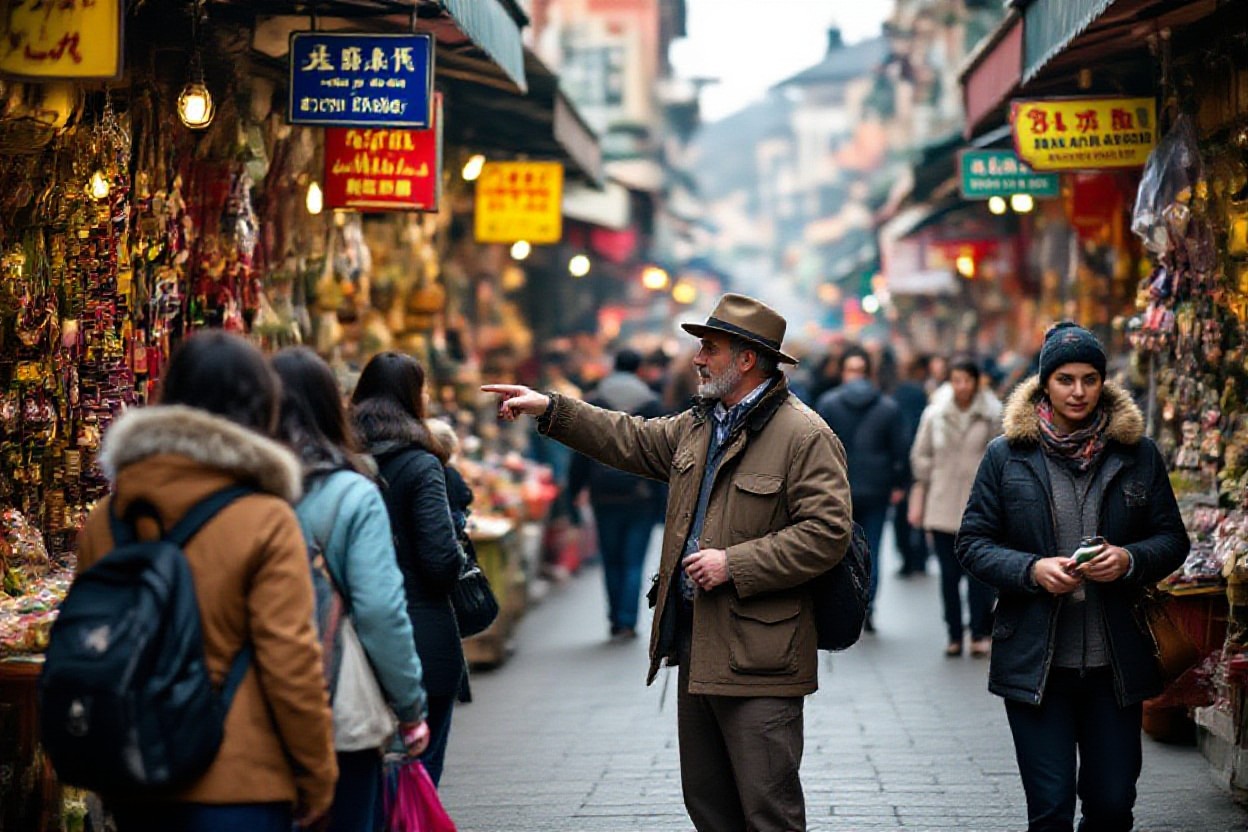
Vendors near major sights frequently mark up goods 200-500% and expect aggressive bargaining; initial quotes are often 3-6× local value. You should always ask the price in the local currency, compare three stalls, and walk away if the seller won’t negotiate-vendors often drop prices after you leave. Shortchanging and bait-and-switch with “samples” are common tactics to watch for.
At markets like Marrakech’s souks or Istanbul’s Grand Bazaar, you’ll see staged tactics: a friendly greeting, a “special price for you,” then rapid escalation once you show interest. Use a phone calculator to convert prices, request to see the exact item (not a sample), and get the agreed price in writing or a photo of the tag. Pay attention to unit prices (per item or per kilo), count change visibly, and avoid purchases within 50-100 meters of the most photographed monuments where markups spike; walking five minutes often cuts prices dramatically.
Country-Specific Scams
Asia
Thailand’s jet-ski scam still catches visitors: operators claim pre-existing damage and demand several thousand baht (commonly 3,000-10,000 THB) before you leave the beach. In India, unofficial vendors sell nonfunctional or improperly registered SIMs; legitimate tourist SIMs at airport counters cost roughly ₹300-₹1,000 and require passport registration. When you rent or buy, photograph equipment, insist on an itemized receipt, confirm SIM activation on the spot, and stick to licensed vendors or airport stores.
Europe
In Italy, the friendship-bracelet trick involves someone looping a bracelet onto your wrist then demanding payment-expect aggressive asks of €20-€50; in Paris, clipboard petition scammers use faux-charity forms to distract you while an accomplice lifts your phone or wallet. You should refuse unsolicited gifts, keep valuables in zipped front pockets or a locked cross-body bag, split cash, and rely on official taxi ranks or pre-booked transfers to avoid street hustles.
Hotspots include La Rambla, the Vatican, the Colosseum and major metro lines where teams employ distraction techniques-one person creates a commotion while another empties pockets or backpacks. You can deter them by using a decoy wallet, keeping passports in your hotel safe, and wearing a slim money belt under clothing; enable instant card alerts and carry only the cards you need. If something happens, contact local police or dial 112 (EU emergency number) immediately and report the theft to your bank to freeze cards.
Popular Scams in Tourist Areas
Distraction Theft
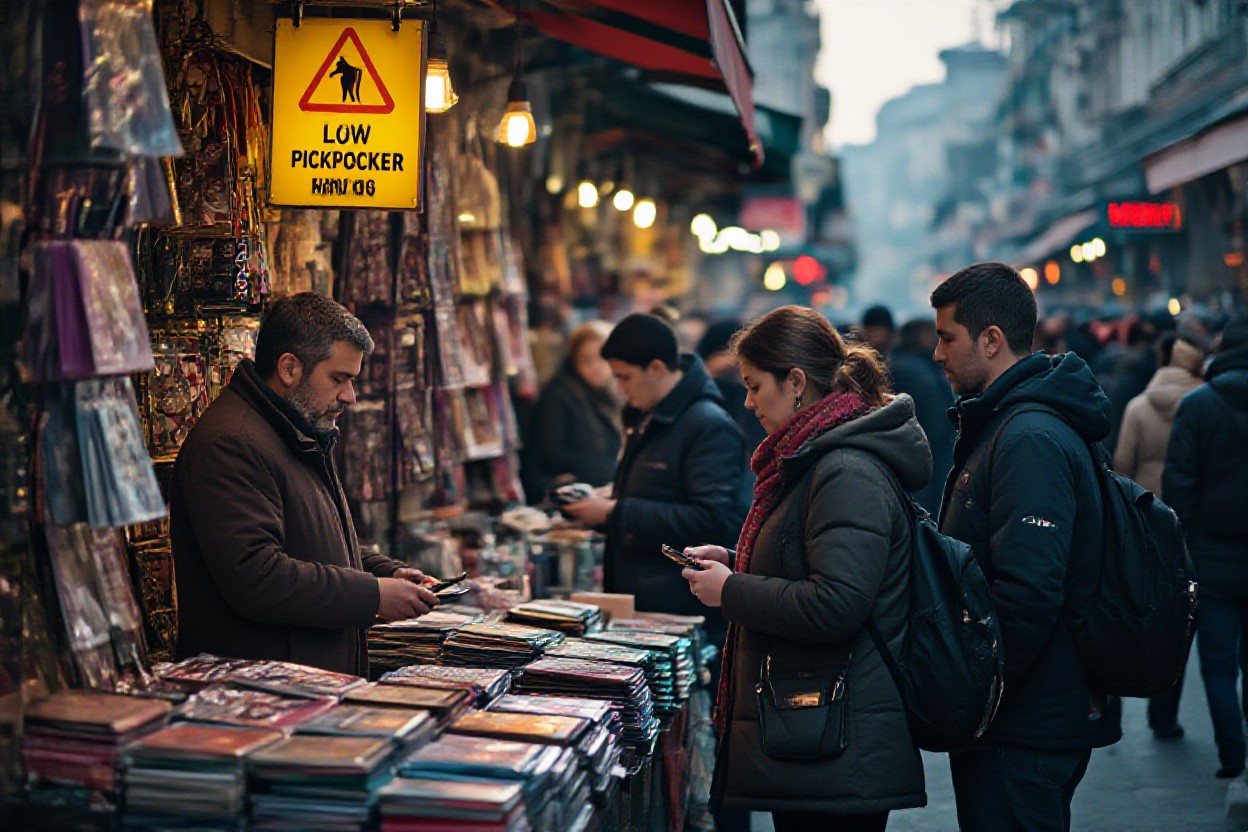
Often two-person teams work together: one creates a commotion-spills coffee, asks for directions-while the other lifts wallets or phones. You’ll see this at crowded metros, markets and tourist queues in places like Barcelona’s La Rambla or Rome’s historic center. Protect yourself by using a money belt, keeping wallets in front pockets, and splitting cash and cards. If bumped, check your bag immediately and report theft to local police to increase recovery chances.
“Closed Attraction” Trick
Scammers at busy landmarks will tell you the site is closed for “a private event” or that ticket machines are broken, then offer to sell “fast-track” entry for €10-€50. You’ll encounter this near packed attractions with long lines-Colosseum queues, Sagrada Família, or the Eiffel Tower approach. Verify by checking the venue’s official website or app, buying ahead, and asking uniformed staff; if someone pressures you, walk away and use the official queue.
Typical scripts include “closed for renovation,” “private ceremony,” or “tickets sold out” while scammers display fake wristbands or pre-printed receipts. In Rome, several groups have diverted tourists into unofficial tours charging around €30 each; victims only discovered the bait after missing booked time slots. Always ask to see an official ID badge, scan the attraction’s online availability before accepting offers, and pay by card so you can dispute unauthorized charges if needed.
Dealing with Scammers
You’ll face tactics designed to create urgency, confusion or convenience-taxi “broken meters,” fake police asking for documents, clipboard petition cons and distraction thefts. Use official taxi apps, pre-booked transfers and a money belt; always insist on receipts and badge numbers. If someone pressures you for immediate payment or produces a dodgy-looking ID, step back, photograph details and move to a busy, well-lit area before engaging further.
Recognizing Red Flags
Watch for insistence, refusal to show ID, requests to handle your passport, unmetered or rerouted taxis and staged distractions by multiple people. Vendors who demand payment after tying a “friendship” bracelet or petitioners who hide donation boxes are common. Verify driver plates against the app, ask vendors for a price in writing, and treat anyone who pushes for isolated payment or sudden “official” checks as suspicious.
How to Respond
Stay calm, create distance and move to a populated spot; ask the person to show official ID and record their name, badge and vehicle plate. Refuse to hand over passports or large sums of cash, offer to call the police or your hotel instead, and photograph evidence. If forced to pay, get a receipt and contact your bank immediately to dispute charges; report scams to the platform (Airbnb, taxi app) within 24-48 hours.
Use short, firm scripts: “I will call the police,” “I only use registered taxis,” or “Show me your ID and badge number.” Note witness names, take video and log timestamps; if a card transaction occurred collect the merchant name and transaction ID. Go to the nearest police station for an official report (you’ll need that number for insurers and chargebacks), contact your embassy for serious incidents, and file disputes with your card issuer within the typical 60‑day window while preserving all evidence. If you feel threatened, prioritize safety and comply, then document and report immediately.
Tips for Staying Safe
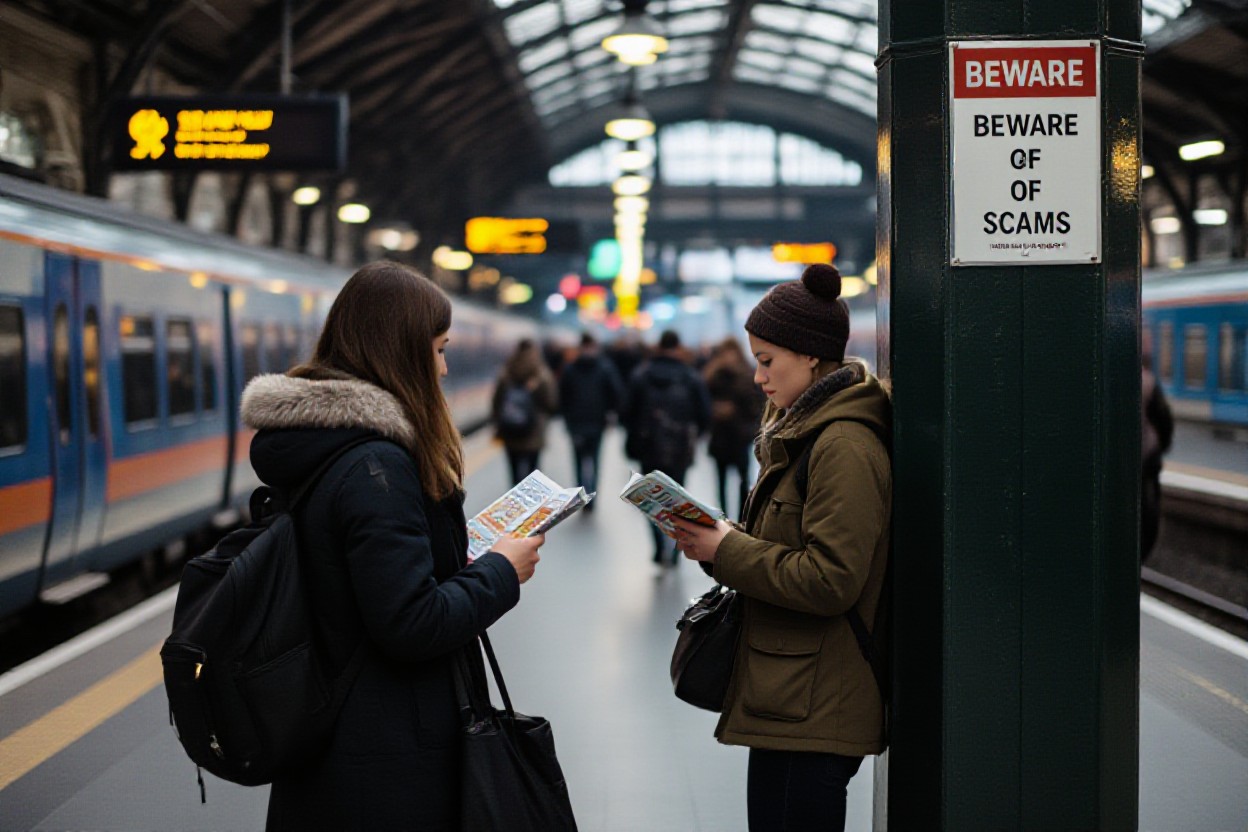
Keep habits that reduce exposure: verify IDs, pre-book key services, split cash and cards, and use discreet storage. In Barcelona and Rome pickpockets concentrate on metros and La Rambla; in Bangkok avoid unsolicited tuk‑tuk offers that promise cheap tours. Use hotel safes for passports and extras, enable banking alerts, and keep a photo copy of documents on your phone.
- Use official taxi apps or sanctioned airport stands; confirm the plate and driver photo before entering.
- Pre-book tickets on the attraction’s official site or accredited resellers to avoid “closed attraction” or fake vendor tricks; buy 24-72 hours ahead for peak sites.
- Keep valuables split between a money belt, a locked luggage compartment, and an anti‑theft crossbody bag with locking zips.
- This habit of layering precautions-official services, advance bookings, and divided storage-cuts your risk dramatically.
Using Official Services
Rely on licensed providers: use apps like Uber, Bolt, Grab or the city’s official taxi dispatch, check that the plate and driver photo match your booking, and avoid street solicitations at airports. Book hotel transfers or accredited tour operators in advance; in many cities unmetered taxis and informal guides are linked to common scams, so insist on receipts and company IDs and take a photo if anything feels off.
Keeping Valuables Secure
Use a concealed money belt or neck pouch for passports and emergency cash, keep under $100 in daily pocket cash, and carry one backup card separately. Choose an anti‑theft crossbody with locking zips and slash‑proof straps; wear it in front on crowded metros and tourist sites where distraction thefts spike.
Further reduce loss by using a hotel safe for extras, photographing important documents, and activating bank alerts for transactions over set limits; in cities like Paris and Rome thieves target backpacks from scooters, so secure zips with small cable locks and keep electronics in front‑facing pockets.
Resources for Travelers
Helpful Apps
Use ride apps (Uber, Bolt, Grab or Free Now) to pre-book taxis and verify license plates and driver names before you get in; maps.me and Google Maps let you download offline maps for 100+ countries; Citymapper gives live departures in 70+ cities; XE covers 180+ currencies and live rates; WhatsApp keeps you connected with hosts, and Google Translate’s camera can decode menus instantly-combine these to avoid broken-meter and fake-driver schemes.
Reliable Websites
Check official government advisories (U.S. State Department, UK FCDO, Australia Smartraveller) which cover travel alerts for 200+ countries, and always book tickets on an attraction’s official site or the transport operator’s portal to avoid counterfeit listings and overpricing; enroll in your country’s embassy program (e.g., U.S. STEP) so consular services can reach you if something goes wrong.
Verify domains and look for .gov or official country extensions and HTTPS padlocks when checking visas, entry rules or local emergency numbers; consult WHO/CDC for health alerts, use IATA/Timatic via your airline for visa requirements, and compare prices across at least two official sources-for example, use RATP for Paris transit updates and the Egyptian Ministry of Tourism to confirm licensed guides before booking.
Conclusion
As a reminder, you can avoid most travel scams by staying vigilant: verify taxis with official apps, pre-book tickets, keep valuables in your money belt, decline unsolicited help, and secure your documents; learn common cons (broken meters, fake police, distraction thefts, counterfeit listings, local tricks like jet‑ski or bracelet scams) so you can spot and outsmart them.
FAQ
Q: What are the most common global travel scams and how can I avoid them?
A: Scams you’ll see worldwide include taxi “broken meter” schemes, fake police asking for documents or cash, overpriced street vendors, the “closed attraction” trick, fake Airbnb listings and distraction theft. Avoid them by pre-booking reputable transport and attractions; using official taxi apps or registered taxi stands; keeping passports and large amounts of cash in a concealed money belt; only booking accommodations and communicating through verified platform channels; staying alert in crowded areas and securing valuables in zippered or anti-theft bags; and confirming opening hours and ticket details on official sites before you go.
Q: How should I handle a taxi driver claiming the meter is broken or demanding an inflated fare?
A: Insist on using the meter or refuse the ride and walk to another taxi stand. When possible book through an official app that tracks the route and fare. If negotiating a fixed fare, agree the price before you get in and note the vehicle number or take a quick photo. Carry small bills to avoid counterfeit-change tactics and ask for a printed receipt or driver ID. If you feel unsafe, get out in a well-lit, busy area and call your hotel or local emergency number.
Q: What steps should I take if someone claiming to be police asks to see my passport or to search my belongings?
A: Ask to see official ID and a badge; legitimate officers will present identification and not demand cash. Offer to accompany them to the nearest police station or call the official local police number while they wait. Do not hand over your passport; offer a photocopy or show it open without relinquishing it. If pressured for fines, request a written citation with details and a formal receipt, and contact your embassy if the situation escalates.
Q: How can I spot and avoid specific scams like the Thailand jet-ski scam, India SIM card fraud, Italy friendship-bracelet trick, Paris clipboard petition and Egypt fake tour guides?
A: Thailand jet-ski: photograph the vehicle and fuel level before renting, get a written rental agreement and refuse vendors who demand cash “damage” claims later. India SIM card: buy only from official telecom stores, activate and test the SIM in-store and never hand your phone to a stranger. Italy friendship-bracelet: decline persistent bracelet offenders, step away and secure your bag-these are distraction setups. Paris clipboard petition: don’t sign petitions or hand over your phone; politely but firmly refuse and move to clear distance. Egypt fake tour guide: hire guides recommended by your hotel or licensed tour operators, ask to see official guide ID and a printed itinerary, and prepay only through the agency’s official channels.
Q: What practical precautions reduce the risk of theft and scams for my bookings and valuables?
A: Use a money belt or inside pocket for passports and cash; carry an anti-theft daypack with locking zippers; split cash and cards across different locations; enable remote tracking, backup photos of documents and cloud-stored copies; pre-book tickets and transportation through official websites or reputable agents; verify Airbnb hosts by checking multiple recent reviews, messaging only through the platform and refusing requests to pay outside the service; use contactless or card payments where possible and monitor transactions while traveling.