With fewer crowds and richer local experiences, you can discover places like Porto’s riverside cuisine, Busan’s beaches and street food, Valencia’s sunshine and architecture, Tbilisi’s artful affordability, Medellín’s modern safety, Kaohsiung’s night markets, Belgrade’s nightlife, Amman’s heritage, Cape Town’s scenery and Dundee’s emerging design scene, all offering authentic culture, better value and fresh perspectives on travel. Why underrated cities are the future of travel.
Key Takeaways:
- Authentic culture and food without the crowds – ideal for immersive, relaxed visits.
- Excellent value and growing safety make longer stays and slow travel more feasible.
- Vibrant local nightlife and street-food scenes deliver memorable, affordable dining experiences.
- Strong access to nature and scenic views pairs outdoor adventure with urban comforts.
- Emerging hubs offer great infrastructure for remote work, design, and creative communities.
Why underrated cities are the future of travel.
Porto, Portugal
Vibrant Ribeira, a UNESCO World Heritage site since 1996, invites you to wander cobbled streets and sample francesinha and bacalhau in family-run tascas. You can cross Dom Luís I Bridge (opened 1886) to visit dozens of port lodges in Vila Nova de Gaia for tastings and cellar tours. Seasonal festas and tram-lined hills give you photogenic viewpoints over the Douro estuary, making Porto ideal for relaxed, food-and-wine focused trips away from larger crowds.
Culinary Delights
At Mercado do Bolhão and in neighbourhood tascas you’ll taste francesinha, grilled octopus and petiscos paired with tawny and vintage ports. Many restaurants offer tasting menus under €50, street stalls sell bifanas and pasteis for quick bites, and guided wine-pairing sessions in Gaia teach you how ageing styles change flavour profiles-perfect if you want to map the city through its flavours.
Scenic River Views
From Ribeira’s waterfront you can board a traditional rabelo boat for a 50-90 minute cruise under the Dom Luís I Bridge, or climb to the Serra do Pilar terrace for panoramic views of the Douro and the terraced vineyards upriver. Golden-hour light highlights ochre buildings and mirrored quays, giving you postcard scenes without the long lines found in larger river cities.
If you want an immersive perspective, take an evening rabelo cruise (prices around €15-25) that tracks the Douro’s estuary and shows Ribeira lit up after dusk. Local photographers favour Cais da Ribeira and Jardim do Morro for symmetry shots, while a short drive east to the Douro Valley-about 60-90 minutes-lets you see the terraced vineyards that supply the port lodges, linking city views to the region’s wine-producing landscape.
Why underrated cities are the future of travel.
Busan, South Korea
Unique Beach Experience
You can swap crowds for space along Haeundae’s 1.5 km sweep of sand, chase sunset views beneath the illuminated Gwangan Bridge at Gwangalli, or hike Taejongdae’s cliffs for raw ocean panoramas. Evenings bring beachside stalls and the annual Busan Sea Festival-drawing tens of thousands-while early mornings reward you with quiet swims and fresh seafood breakfasts at nearby markets.
Cultural Diversity
You’ll move between painted alleys in Gamcheon Culture Village and the 7th-century Beomeosa Temple on Geumjeongsan, then hit Jagalchi and Gukje markets beside one of Asia’s busiest ports. Centum City’s Shinsegae complex, certified by Guinness as the world’s largest department store, shows how traditional maritime life sits alongside bold modern development.
You can taste local specialties like dwaeji-gukbap and milmyeon at small stalls, catch screenings and street energy at BIFF Square during the Busan International Film Festival (est. 1996), and visit maritime museums that explain the port’s role in trade. Community art projects and converted fishing alleys mean you’ll encounter pop-up galleries and performances as you explore.
Why underrated cities are the future of travel.
Valencia, Spain
You’ll find a mix of sun, sea and striking design in Valencia: Santiago Calatrava’s futuristic City of Arts and Sciences, the 9‑kilometre Turia Gardens carved from a former riverbed, and the Albufera Natural Park 10 km south where rice paddies supply authentic paella. Mild weather keeps your days open for museums, Malvarrosa beach swims and tapas nights in Ruzafa.
Architectural Wonders
Santiago Calatrava’s Hemisfèric and Palau de les Arts anchor a modern complex that contrasts with 15th‑century La Lonja de la Seda (a UNESCO site) and the Serranos Towers. You can spot Valencian Art Nouveau at Mercado Central’s tiled facades and follow bold contemporary interventions along the Turia’s linear park.
Vibrant Local Life
Market culture defines daily life: Mercado Central, opened in 1928, overflows with seafood, rice and horchata stalls, while tapas crawl around Plaza del Ayuntamiento and the creative cafés of Ruzafa keep evenings buzzing. March brings Fallas, with daily mascletà fireworks and towering ninots that culminate in a dramatic burn.
Beyond festivals, you’ll witness local rituals-fishers at El Cabanyal supplying restaurants, bike commuters gliding through Turia’s lanes, and sunset boat trips on the Albufera where paella is cooked over wood fires-plus neighborhood flea markets, ceramics shops and a lively mix of bars and clubs clustered near the old riverbed.
Tbilisi, Georgia
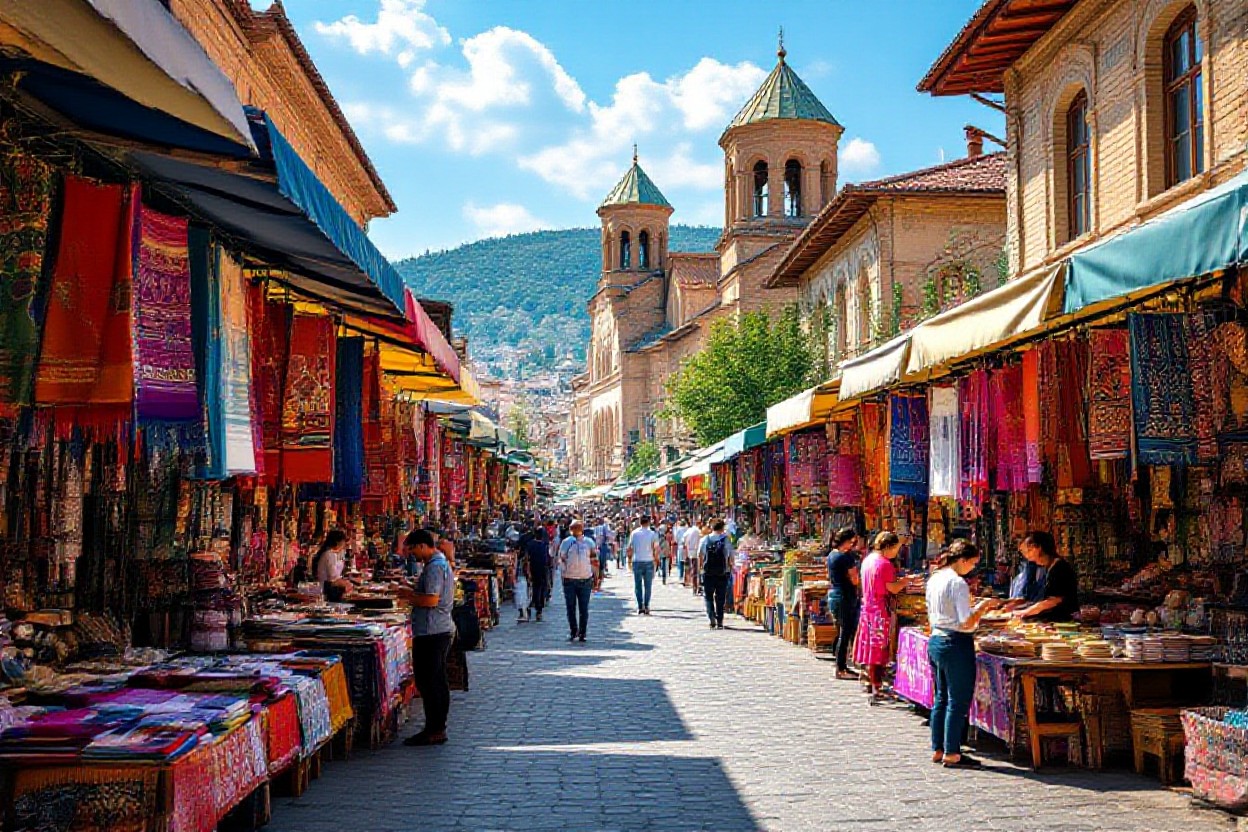
Perched on the Kura River with roughly 1.1 million residents, Tbilisi rewards you with a compact Old Town-sulfur baths in Abanotubani, Narikala Fortress views, and eclectic architecture along Rustaveli Avenue. You can feast on khachapuri and khinkali at family taverns, sample qvevri wines in cozy bars, and take affordable day trips to Kakheti’s vineyards or the Caucasus foothills without long transfers.
Artistic Heritage
Fabrika’s converted factory studios, the Georgian National Museum’s archaeological collections, and a thriving roster of small galleries mean you’ll encounter contemporary art next to ancient icons. Street murals in Sololaki and Vera complement regular pop‑ups and film screenings-including the Tbilisi International Film Festival-so you can catch high-quality cultural programming on a tight schedule and budget.
Affordable Travel
You’ll stretch your travel budget here: dorm beds often start under €10, private doubles frequently run €30-60, and filling local meals typically cost 5-15 GEL. Cheap taxis and marshrutkas make hopping between markets, bathhouses, and neighbourhoods effortless, letting you focus spending on experiences rather than transit.
Beyond lodging, public transport fares and museum tickets remain low-single metro or bus rides are a fraction of Western prices and many exhibitions cost roughly 3-10 GEL. You can join a shared minivan to Kazbegi or a guided wine tour in Kakheti for about €10-25, which keeps multi-day excursions affordable while letting you indulge in wine tastings, guesthouse meals, and guided hikes.
Why underrated cities are the future of travel.
Medellín, Colombia
You’ll find a modern, walkable city where cable cars and green corridors meet innovative startup hubs; take the Metrocable up to Parque Arví for skyline views, join a Comuna 13 street-art tour to see social-change murals, and use Ruta N’s events to network with local entrepreneurs-all while enjoying cafés, salsa venues, and a climate famously known as “Eternal Spring.”
Transformation and Growth
Urban projects reshaped Medellín: the Metrocable (2004), the Comuna 13 outdoor escalators (2011) and Ruta N (founded 2009) connected isolated neighborhoods to jobs and tourism, spurring visible drops in violence and a boom in cultural tourism; you can cite dozens of social-enterprise startups and public art initiatives as evidence of that turnaround.
Digital Nomad Scene
Dozens of coworking spaces, reliable cafés with 50-200 Mbps connections, and active Facebook and Meetup groups mean you can plug in from El Poblado or Laureles and find community quickly; many remote workers report comfortable monthly budgets between roughly $900-1,800 depending on lifestyle and choice of neighborhood.
El Poblado serves as the nominal hub for nomads with boutique hostels, coworking venues and nightlife, while Laureles gives cheaper rents and local cafes; you’ll want a Tigo or Claro SIM for fast mobile data, attend monthly meetups or Ruta N events to expand contacts, and consider short-term rentals via Airbnb or local agencies as flexible bases while you scout longer-term options.
Why underrated cities are the future of travel.
Kaohsiung, Taiwan
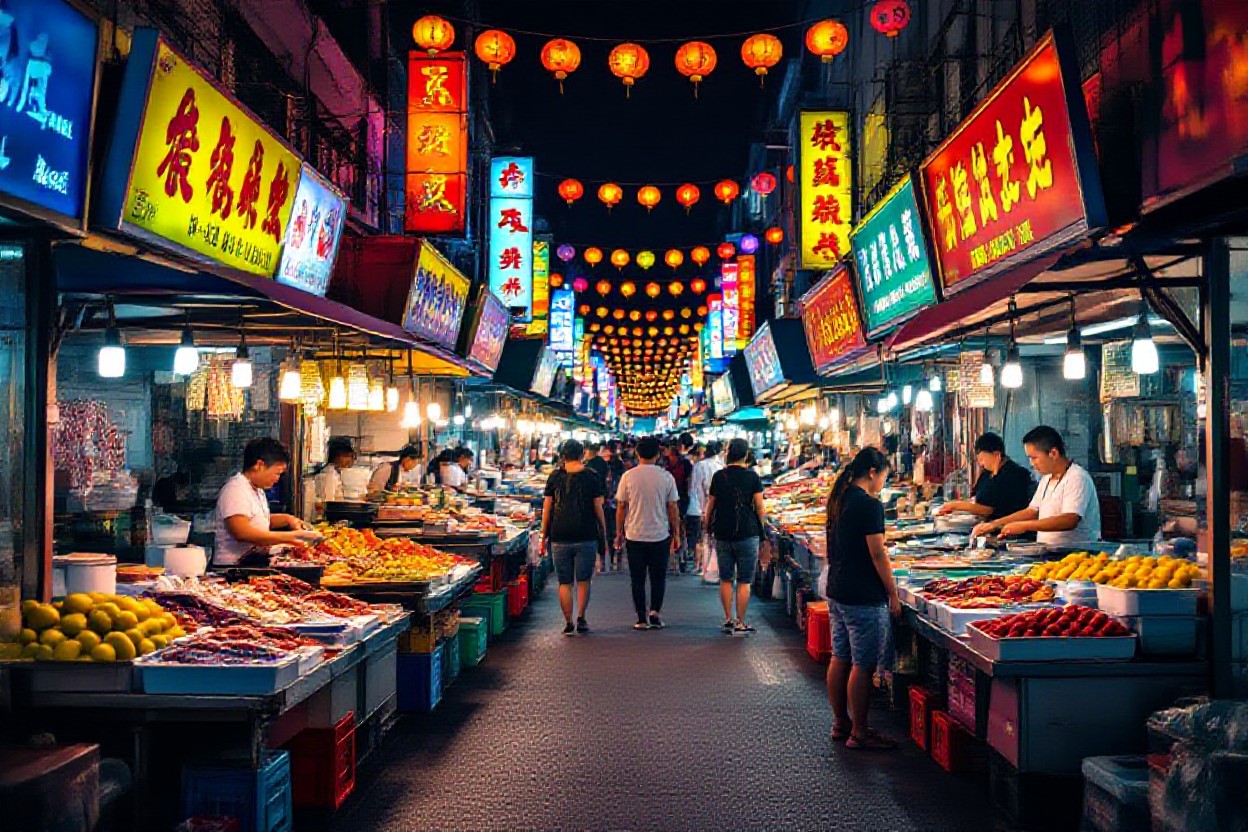
You’ll find a gritty-port-meets-creative-city vibe where Taiwan’s largest port frames vibrant waterfronts; stroll Pier-2 Art Center’s converted warehouses, take a 30-minute Love River boat for skyline views, then hop a 10-minute ferry to Cijin Island for fresh seafood and black-sand beaches. Temper the crowds by visiting midweek and use the MRT to link markets, museums and coastal trails without wasting time.
Night Market Adventures
You should hit Liuhe and Ruifeng for snacks and sensory overload; try three must-orders-oyster omelette, grilled squid and papaya milk-while navigating dozens of stalls that spill onto narrow alleys. Locals queue for braised pork rice and stinky tofu, and you can pair finds with artisanal bubble tea. Expect lively carnival games and late-night hours that often extend past 10pm on weekends.
Coastal Attractions
You can explore Cijin’s seafood street after a 10-minute ferry from Gushan, cycle along the waterfront to Sizihwan Beach for sunset, and watch tankers glide past at Kaohsiung Port – Taiwan’s largest harbour. Pier-side promenades, the Singuang Ferry Wheel and beachside cafés make evenings relaxed; plan to spend at least a half-day combining island hopping and a harbour cruise.
For deeper exploration, rent a bike to circle Cijin’s shoreline in roughly an hour, visit Cihou Fort (late 1800s coastal defences), and sample shellfish at the market by the pier. You can book an hour-long harbour cruise to see container terminals up close, time sunset at Sizihwan for clear western views, and cap the day with craft beers at emerging breweries near Pier-2.
Why underrated cities are the future of travel.
Conclusion
To wrap up, when you choose underrated cities like Porto, Busan or Tbilisi, you gain authentic culture, exceptional food and fewer crowds, letting you explore deeply and affordably; your trips become richer and more sustainable. Seek these emerging destinations to expand your horizons and enjoy unique experiences. Why underrated cities are the future of travel.
FAQ
Q: How do I choose which underrated city to visit in 2026?
A: Match the city to the experience you want. Pick Porto for riverside dining, port wine lodges and compact old-town charm; Busan for a mix of beaches, mountains and seafood street stalls; Valencia for sun, modernist and historic architecture and lively plazas; Tbilisi for affordable arts scenes, Georgian cuisine and boutique guesthouses; Medellín for a safe, modern city with strong digital‑nomad infrastructure. Kaohsiung offers harbour views and night markets, Belgrade delivers nightlife and history at low cost, Amman connects urban culture with desert excursions, Cape Town combines scenery and beaches, and Dundee is rising as a design and museum hub. Consider season, flight connections, visa needs and how much time you want to spend off the beaten path versus near tourist services.
Q: When is the best time to visit these cities to get the best weather and events?
A: Spring and autumn are broadly the sweetest windows: Porto and Valencia shine in spring and early autumn; Busan is best late spring to early autumn for beaches but crowded in midsummer; Tbilisi is most pleasant in late spring and early autumn; Medellín has mild temperatures year‑round with drier periods in December-March and June-August; Kaohsiung is more comfortable October-April; Belgrade is lively in May-June and September; Amman is mild in spring and autumn; Cape Town’s summer (November-March) is great for beaches, while winter offers whale-watching and dramatic scenery; Dundee is most accessible and eventful May-September. Check local festival calendars and school-holiday dates if you want fewer crowds or specific events.
Q: What practical tips will help me experience authentic food and culture in these places?
A: Eat at markets and neighbourhood joints rather than only tourist restaurants: try Porto’s tascas and port lodges in Vila Nova de Gaia, Busan’s Jagalchi and Gwangalli street stalls, Valencia’s horchaterías and tapas bars, Tbilisi’s supre and local bakeries, Medellín’s neighbourhood cafés and food markets, Kaohsiung’s night markets, Belgrade’s kafanas and riverside bars, Amman’s mezze and falafel stands, Cape Town’s food markets and Bo‑Kaap eateries, and Dundee’s emerging café scene and V&A events. Use local guides for specialized experiences (wine tours, cooking classes, market walks), take public transport or bike to discover residential districts, arrive early or late to avoid tourist peak times, and seek small galleries, live‑music nights and neighbourhood markets for authentic interaction.
Q: Are these underrated cities safe and affordable for solo travellers and families?
A: Most are affordable compared with major capitals and generally safe with common-sense precautions. Tbilisi, Belgrade, Porto, Valencia and Kaohsiung rank well for low costs and friendly local scenes; Medellín has improved safety but stick to well-known neighbourhoods like El Poblado and Laureles and use vetted transport; Cape Town offers exceptional scenery but requires awareness of neighbourhood safety and trusted transfers; Amman is stable and family-friendly with easy access to desert trips. Use standard precautions: keep valuables discreet, check local transport options and timetables, buy travel insurance, register travel plans if your government recommends it, and ask locals or lodging hosts about areas to avoid after dark.
Q: Why underrated cities are the future of travel.
A: Travellers are shifting toward authentic, less crowded experiences, longer stays and sustainable choices. Underrated cities offer lower costs, more local contact, faster cultural discovery and fresh creative scenes-from Dundee’s design revival to Medellín’s tech hubs and Tbilisi’s artist collectives. They spread tourism’s economic benefits, reduce pressure on overvisited hotspots, and pair well with remote‑work flexibility, making them ideal for meaningful trips in 2026 and beyond.