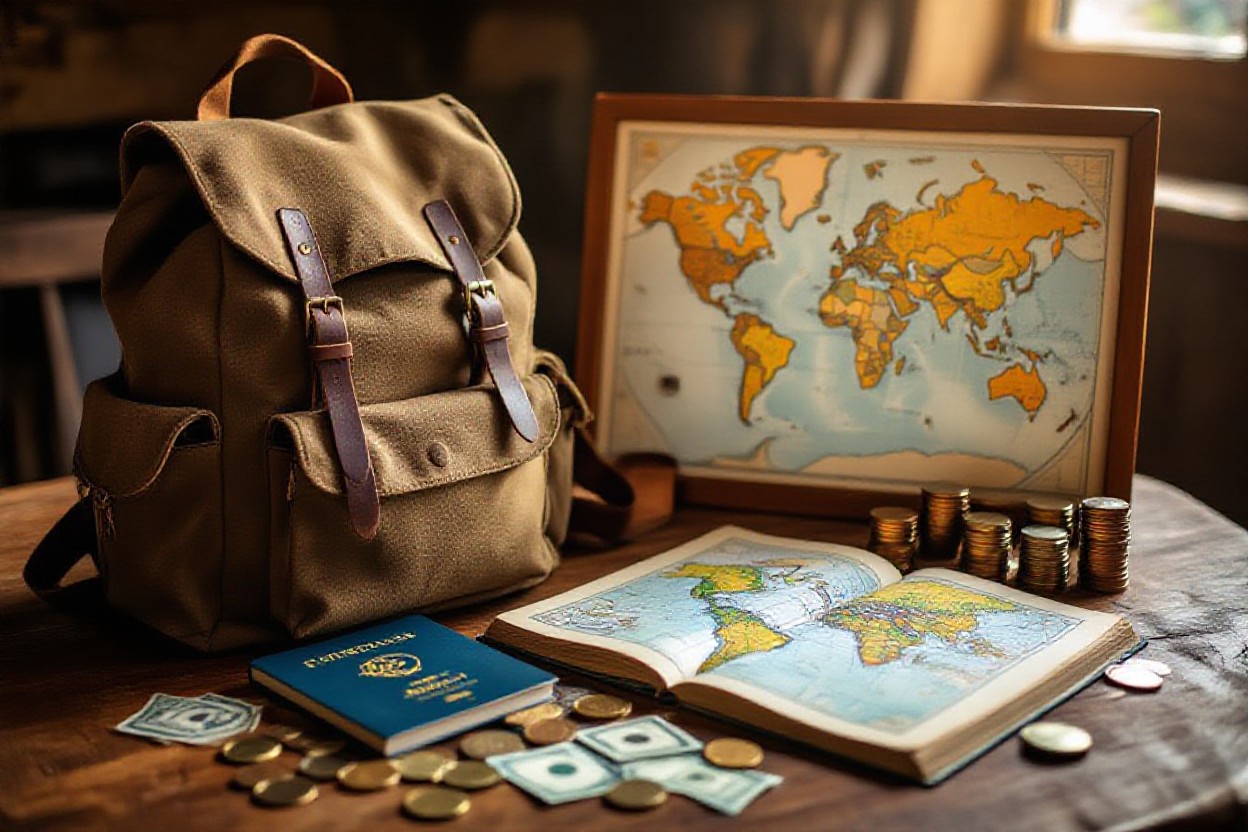
Most of the time you can stretch your travel budget and still have rich experiences by using practical strategies you can apply today: choose hostels or guesthouses and try house-sitting, travel overnight and use local buses, book flights 6-8 weeks ahead, eat where locals eat or enjoy street food and picnic lunches, carry a refillable bottle and use ATMs instead of money changers, visit free attractions, and travel in the shoulder season to save money without sacrificing adventure.
Key Takeaways:
- Choose budget lodging-stay in hostels with private rooms, opt for guesthouses, or try house‑sitting to save on accommodation without sacrificing comfort.
- Cut transport costs by traveling overnight, booking flights 6-8 weeks ahead, and using local buses instead of taxis.
- Save on food by eating where locals eat: prefer street food, market meals, and picnic lunches over sit‑down restaurants.
- Use ATMs instead of currency changers, carry a refillable water bottle, and prioritize free attractions to stretch your money further.
- Travel in shoulder season and stay flexible with dates and routes to access lower prices on flights, lodging, and activities.
Accommodation Strategies
You can mix hostels, guesthouses and house-sitting to stretch your budget without losing comfort: private hostel rooms are often 30-60% cheaper than mid-range hotels, guesthouses commonly include breakfast and local tips, and house-sitting platforms like TrustedHousesitters let you stay free in exchange for pet or property care for weeks at a time.
Affordable Lodging Options
Choose private rooms in hostels for privacy at dorm prices, pick family-run guesthouses on the edge of town to shave 20-40% off nightly rates, and pursue house-sitting gigs for free accommodation. In Southeast Asia private rooms can run $8-25/night, while guesthouses in smaller European towns often fall in the $30-70 range.
- Book private hostel rooms when you want safety and social perks without hotel costs.
- Use guesthouses for local insight and included amenities like breakfast.
- This approach routinely saves you 20-50% compared with central hotels.
Tips for Finding Deals
Set price alerts, compare OTAs and local booking sites, and be flexible with dates-traveling in shoulder season or midweek can lower rates by 15-40%. You should book longer stays directly with owners for weekly discounts, and check cancellation policies so you can rebook if prices drop; many deals appear 2-8 weeks before travel.
- Use fare and rate alerts on Google Flights, Booking.com and Hostelworld to catch drops.
- Compare direct contact with owner prices versus platform listings for extra savings.
- This method often nets you an additional 10-30% off accommodation.
Actively negotiate for stays over 7 nights-ask for a 5-15% discount or added perks; call small guesthouses directly, where owners can waive cleaning fees or bundle breakfast. Use monthly rates on Airbnb for 30+ day trips to unlock big reductions, and combine loyalty points or card benefits to cover nights; revisiting and rebooking can lower costs even after initial purchase.
- Ask for long-stay discounts and check for unpublished rates by phone or email.
- Book refundable options and rebook if a lower rate appears before your trip.
- This habit regularly cuts your lodging costs by double-digit percentages.
Transportation Savings
Budget-Friendly Transport Choices
You can slash local travel costs by favoring buses, regional trains, and carpool services over taxis; local bus fares often run $0.50-$3 versus $10-$20 taxi rides. Overnight buses and sleeper trains replace a night’s hotel, saving $20-$60 in many destinations. Consider low-cost carriers for longer hops, bike rentals for short trips, and day passes for city transit – carpool platforms and intercity buses frequently offer the best value for daily getting-around.
Timing Your Travel
Book flights about 6-8 weeks ahead for many domestic routes and 2-4 months for international to hit lower fares, and aim to fly midweek (Tues-Wed) when prices dip. Traveling at night by bus or train both saves a night’s lodging and often costs less than daytime options. Traveling in shoulder season usually reduces accommodation and activity prices by roughly 20-40% compared with peak months.
Be flexible with dates and set fare alerts on Google Flights or Skyscanner – shifting by 48-72 hours can cut a ticket 10-30%. For buses and trains, grab early-bird seats when released since many carriers sell a limited number of discounted tickets weeks in advance. Combining an overnight leg with a midweek arrival stacks savings on transport and lodging while avoiding crowds.
Dining on a Budget
You can cut food costs dramatically by mixing smart choices: eat street food, pack picnic lunches from markets, cook in hostel kitchens, and split plates with travel companions. In many cities a street meal costs $1-5 versus $8-20 at restaurants, so swapping two sit-down dinners for market eats can save you 50% or more each day without missing local flavors.
Cost-Effective Eating Habits
Shop local markets for fruit, bread, cheese and cheap proteins to assemble picnic lunches that cost $2-6 instead of $10-15 for restaurant meals. Use hostel kitchens to cook once a day, order lunch specials (menu del día) which often bundle two courses + drink for €8-15, and share portions-these small changes regularly trim food budgets by a third.
Discovering Local Cuisine
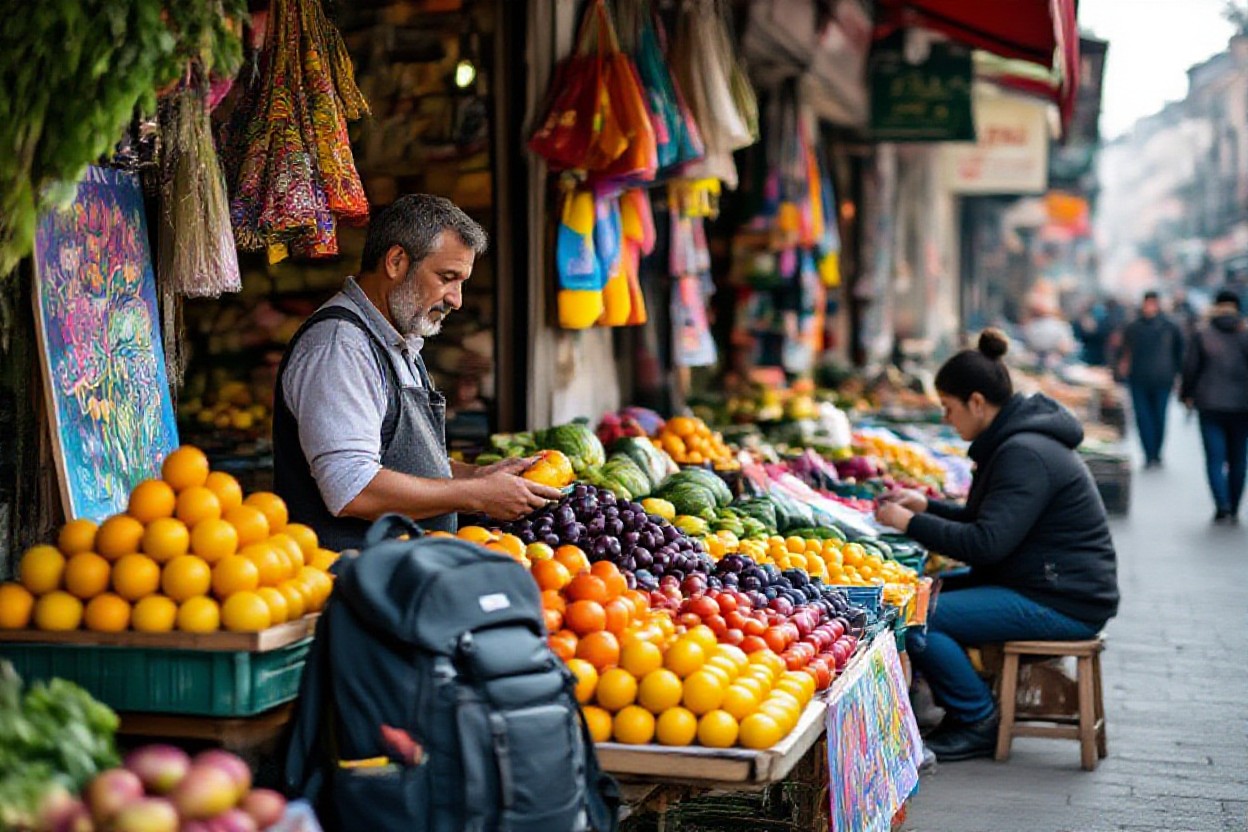
Seek out busy stalls and family-run eateries where locals eat; high turnover means fresher food and lower prices-think pad thai in Bangkok for $1.50-3 or tacos in Mexico City for $1-2. Ask market vendors or bartenders for their go-to spots and try lunch menus that let you sample staples affordably.
Use tools like Google Maps filters, local Facebook groups, or ask hostel staff for specific recommendations; a 2-3 hour street-food walking tour (about $20-30) can fast-track safe, authentic choices and teach what to order. Watch for crowds, quick service, and simple setups-those are the best indicators of tasty, budget-friendly local eats.
Money Management Tips
You can stretch your travel budget by planning a simple money system: set a daily limit, split funds between a primary no-foreign-transaction-fee card and a backup, and log spending in a free app like Trail Wallet. Withdraw larger amounts to avoid $3-5-per-withdrawal ATM charges and skip airport exchange booths that can gouge 6-15% on conversions. Knowing which card to use, how much cash to carry, and when to withdraw prevents small fees from eroding your trip budget.
- Set a daily cash budget and track it in an app
- Carry one no-foreign-transaction-fee card plus a backup
- Withdraw larger ATM sums to reduce per-withdrawal fees
- Avoid airport exchangers; use bank ATMs instead
- Keep emergency cash separate from daily funds
Currency Exchange Strategies
Use ATMs from major local banks for near mid-market exchange rates and withdraw in larger chunks to minimize $3-5 ATM fees per withdrawal; for example, two $200 withdrawals cost less in fees than eight $50 withdrawals. Check live rates on XE or Google before converting, always choose local currency at payment terminals, and consider a multi-currency card (Wise, Revolut-style) for cheap transfers and interbank rates when moving between currencies.
Avoiding Unnecessary Fees
Pick cards with zero foreign-transaction fees and, if possible, ones that refund ATM surcharges-many travelers save 1-3% per purchase and $3-5 per withdrawal this way. Decline dynamic currency conversion (DCC) at point of sale, since DCC often tacks on 2-8% in poor rates; always opt to pay in the local currency and use contactless or chip transactions to avoid merchant surcharges.
Before you leave, call your bank to confirm international use and daily limits, and split funds across a debit card, credit card, and cash so a single lost card won’t derail you. Use fee-free withdrawal accounts where available, avoid exchange kiosks at tourist hubs, and compare card benefits-some issuers reimburse ATM fees monthly while others charge flat foreign fees, so choose the one that aligns with your withdrawal frequency and spending pattern.
Free and Low-Cost Activities
You can pack your itinerary with low-cost experiences by leaning on public offerings: free museums, community events, tip-based walking tours, and parks. Search municipal event calendars for weekly summer concerts and outdoor film nights, and target capital-city institutions that waive admission to save $15-25 per attraction. Combining several free stops with one paid experience each day keeps costs down while still delivering variety and depth to your trip.
Exploring Nature and Parks
You’ll stretch your budget in green spaces: join free ranger talks, hike marked trails, or picnic in city parks instead of dining out. The U.S. National Park Service lists five fee-free days annually, and many state parks offer campsites for $10-30 per night-often cheaper than a hostel. Use AllTrails for route details and local Facebook groups to find guided community walks and birding meets that cost nothing but your time.
Cultural and Historical Sites
You should prioritize institutions with no-admission policies-examples include the Smithsonian museums and the British Museum-to save $20-30 per paid entry. Join a tip-based walking tour (typical tip $5-15) and compare single-entry prices to city passes; if onsite fees average $20 and a pass is $60, visiting three paid sites breaks even. This mix keeps your cultural intake high without blowing the budget.
Go further by using free digital tools like izi.TRAVEL or Google Arts & Culture for self-guided audio tours, picking up free brochures at tourist offices, and targeting university or municipal museums that often waive fees. You’ll also find many historic churches and local archives open outside service hours, and weekday, off-peak visits sometimes offer donation-based entry-pairing a free walking tour with a pay-what-you-can museum visit replicates the depth of pricier guided packages.
Travel Gear and Packing Tips
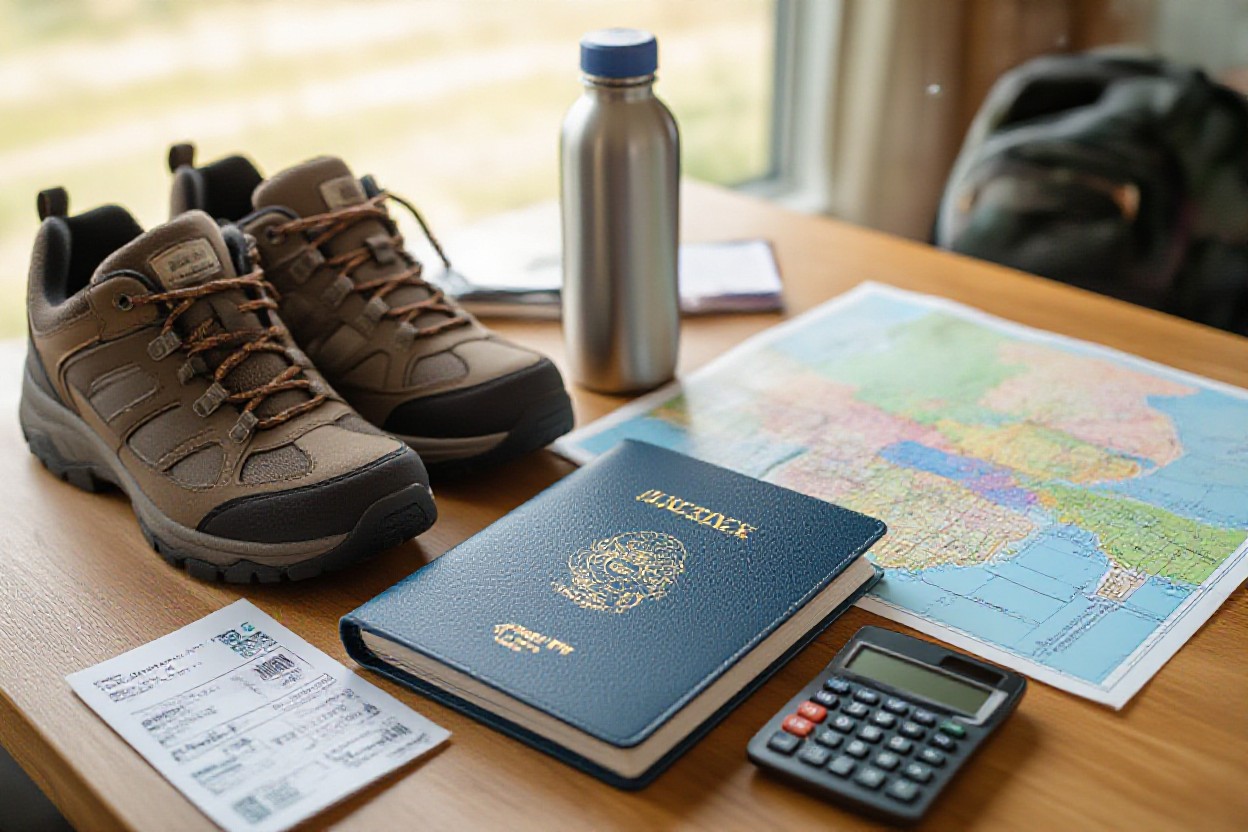
Cut gear to importants: a 40L carry-on (~2-3 kg empty), two pairs of shoes, three tops and two bottoms, plus multi-use items to avoid checked-bag fees often $30-60 on low-cost carriers. Include a 750 ml refillable bottle, 10,000 mAh power bank, universal adapter, quick-dry towel, and packing cubes to save space and time. After weighing your bag at home, remove extras to meet the 7-10 kg carry-on limits common on budget airlines.
- Packing cubes for organization
- Weigh luggage before leaving to avoid fees
- Refillable 750 ml water bottle
- 10,000 mAh power bank
- Universal travel adapter
- Quick-dry towel and travel laundry soap
- Slim money belt and digital document copies
Essentials for Budget Travelers
Pack versatile clothing so each piece serves multiple outfits: three shirts, two bottoms, one lightweight jacket, and two shoes. Bring a 10,000 mAh power bank, 750 ml refillable bottle, universal adapter, small first-aid kit, and travel-size laundry soap; a 40L carry-on typically fits a week’s wardrobe and helps you skip checked-bag fees. Use packing cubes to compress items and speed through hostels and security checks.
Avoiding Extra Costs
You cut common extras by booking flights 6-8 weeks ahead, pre-weighing bags to stay under 7-10 kg carry-on limits, and traveling at night to skip a hotel night. Use ATMs instead of money changers, carry a refillable bottle to avoid bottled-water purchases, and choose street food or local eateries to lower meal costs. Keep digital and paper copies of documents to avoid replacement hassles and fees.
Small choices add up: skipping a $40 checked bag and choosing street meals ($5-7) over sit-down restaurants ($12-20) can save $10-30 per day, or $100-300 on a 10-day trip. Traveling in shoulder season often cuts lodging 20-40%, and free walking tours plus city passes reduce attraction spending. Set a daily cash cap and use hostels with private rooms or guesthouses to stretch your budget further.
Summing up
To wrap up, you can travel widely on a tight budget by combining smart choices: opt for hostels or guesthouses, house-sit when possible, travel overnight, use local buses, book flights 6-8 weeks out, eat where locals eat and enjoy street food, carry a refillable water bottle, use ATMs, visit free attractions, and travel shoulder season to stretch your money without sacrificing experiences.
FAQ
Q: How do I plan a tight-budget trip using practical tips that actually work?
A: Start by setting a daily budget and prioritizing a few experiences rather than trying to do everything. Travel in the shoulder season to cut costs on flights and accommodation; book flights about 6-8 weeks ahead and use fare alerts. Pack light to avoid baggage fees and take overnight buses or trains to save both time and hotel nights. Build an itinerary around free attractions and local markets, and factor in a small buffer for unexpected expenses.
Q: What are the best accommodation strategies to save money without sacrificing comfort?
A: Choose hostels that offer private rooms or family-run guesthouses for lower rates and local insight. Look into house-sitting or home exchanges for longer stays, and book places with a kitchen so you can cook. Search for weekly or monthly discounts, compare cancellation policies, and use loyalty programs or last-minute deals when appropriate.
Q: How can I cut transport costs while staying efficient and safe?
A: Use local buses and regional trains instead of taxis, and travel overnight when possible to save on a night’s accommodation. Be flexible with dates to find cheaper flights, book those 6-8 weeks out, and compare low-cost carriers and bus companies. Walk or rent a bike for short trips; for long distances, consider ride-shares or group transfers split among travelers to reduce per-person cost.
Q: How do I eat affordably without missing authentic local food?
A: Eat where locals eat-street food stalls and market vendors often serve the best, cheapest meals. Buy fresh ingredients from markets and prepare picnic lunches to cut restaurant bills, and use a hostel or guesthouse kitchen when available. Carry a refillable water bottle to avoid buying drinks, and avoid touristy restaurants in high-traffic areas.
Q: What money-saving hacks and safety tips should I use on a tight budget?
A: Use ATMs for local currency instead of money changers to get better rates and lower fees; choose a card with no foreign transaction fees. Keep cash and cards in separate places, carry a photocopy or digital copy of important documents, and use a discreet daypack to deter theft. Plan free or low-cost activities, limit costly souvenirs, and travel with a small emergency fund.