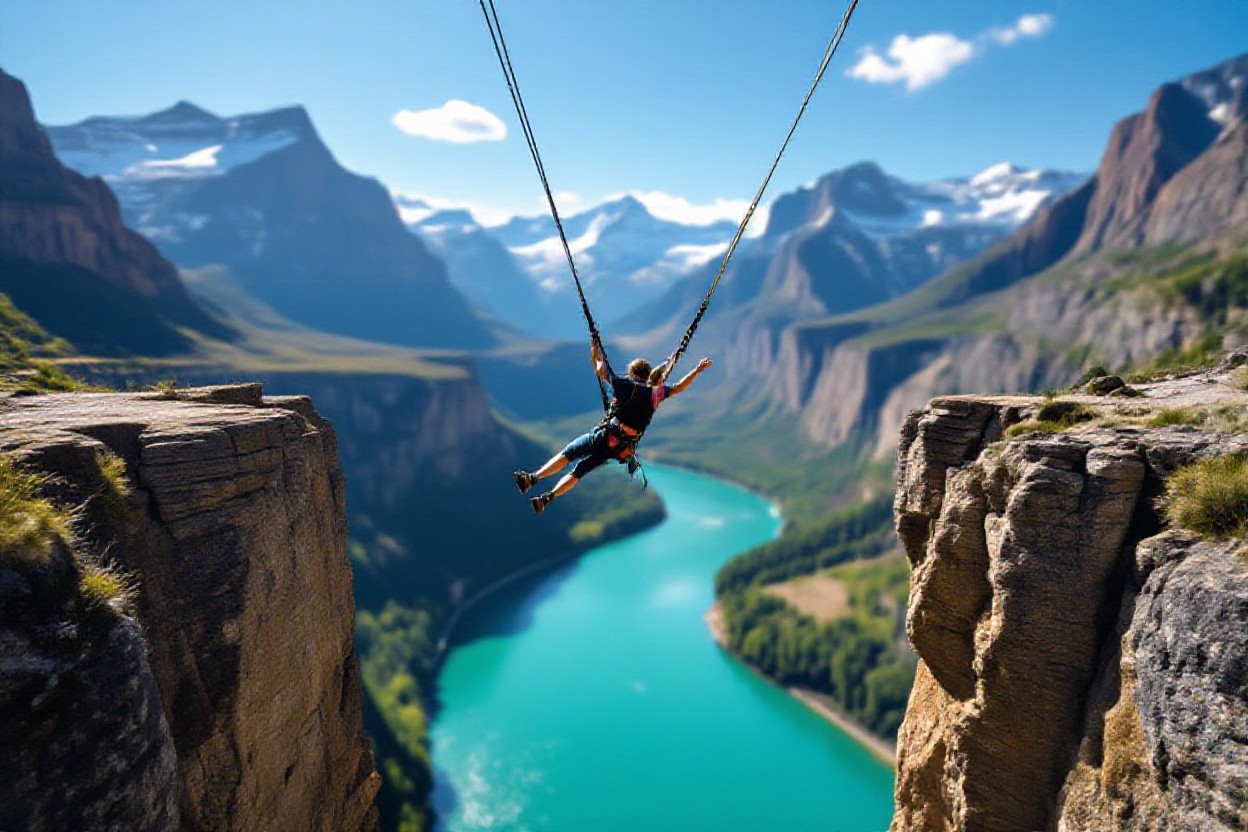
Just pick from skydiving in Switzerland, diving with manta rays in the Maldives, hiking Patagonia, bungee jumping in New Zealand, hot air ballooning in Cappadocia, and 25 more experiences that will push your limits and fuel your soul; you’ll find thrills from ziplining in Costa Rica to climbing Kilimanjaro. For safety, use certified guides, inspect equipment, acclimatize properly and carry insurance; fitness ranges from low (hot air balloons) to moderate (surfing, ziplining) to high (mountain treks, multi-day hikes), so choose adventures that match your preparation.
Key Takeaways:
- Airborne thrills (skydiving in Switzerland, bungee in New Zealand, hot air in Cappadocia, ziplining in Costa Rica): choose certified operators, inspect harnesses and gear, check weather and medical restrictions; fitness level: low-moderate (basic mobility and no serious heart/lung conditions).
- Ocean adventures (diving with manta rays in the Maldives, surfing in Bali): get proper certifications or lessons, dive with a guide, use reef-safe sunscreen, know currents and marine hazards; fitness level: moderate (strong swimming and breath control for diving; balance and endurance for surfing).
- Mountain and cold challenges (hiking Patagonia, climbing Kilimanjaro, exploring Icelandic ice caves): acclimatize gradually, hire experienced guides, carry layered clothing, emergency comms and crevasse/avalanche awareness; fitness level: high for long treks and altitude – train aerobic endurance, leg strength and load-bearing hikes.
- Sand and board sports (sandboarding in Peru, surfing, zipline variations): use protective gear, start on easier slopes/waves, take lessons to learn techniques and fall safely; fitness level: low-moderate (core stability, leg strength and quick recovery from falls).
- Planning, safety net and preparation: buy travel insurance with evacuation/activity coverage, check vaccinations and local regulations, pace your itinerary to allow rest and progressive training, disclose medical conditions to operators and carry basic first-aid and emergency contact info; general fitness guideline – classify activities as low, moderate or high and train accordingly before departure.
Skydiving Adventures
You’ll feel the purest rush when you step from a plane at 3,000-4,500 m: a 40-60 second freefall from 4,000 m followed by a 5-7 minute canopy ride offers sweeping alpine panoramas and a hard-to-match adrenaline spike. First-timers usually choose tandem jumps; accelerated freefall (AFF) courses are for those training to solo. Expect a pre-jump briefing, a weight limit (often 100-120 kg), and certification of instructors before you sign off.
Skydiving in Switzerland
You can launch over Interlaken or Lauterbrunnen for views of the Eiger, Mönch and Jungfrau; tandem jumps from ~4,000 m deliver about 50-60 seconds of freefall and cost roughly CHF 350-450. Operators run April-October when visibility is best, and many require you to be 16+ with ID and to meet weight and health criteria-book early on weekends to secure daylight slots.
Safety Tips and Fitness Levels
You should get medical clearance if you have heart, spinal, or recent surgery issues, and avoid heavy alcohol within 24 hours; a moderate fitness baseline-regular cardio and core strength-makes exits and flare landings easier. Verify instructor certification and that an automatic activation device (AAD) and reserve chute are fitted. Typical operator limits: ages 16+, weight caps 100-120 kg, and pregnancy is disallowed.
- Confirm the dropzone’s certifications and ask for instructor credentials (look for local authority or national association approval).
- Check that equipment includes modern main and reserve canopies, an AAD, and recent maintenance logs.
- Disclose medications and medical history during booking so the operator can advise you appropriately.
- Assume that you must meet the operator’s weight, age and health requirements before booking.
You’ll spend 30-60 minutes in a pre-jump briefing covering body position, signals, emergency procedures and canopy control; tandem students practice exits and the arch position on the ground. If you’re training AFF, expect multiple ground lessons and progressive solo jumps with instructors holding on. Warm clothing, layered footwear, and a small hydration pack can improve comfort at altitude and during the post-jump debrief.
- Train with short runs, planks and squats to boost stamina and control during exit and landing.
- Prioritize sleep and hydration in the 24 hours before your jump to reduce dizziness and cramping.
- Discuss any anxiety or vestibular issues with your instructor so they can tailor the experience.
- Assume that following pre-jump health and safety guidance is required to participate.
Marine Encounters
Expect encounters that range from graceful plankton-fed giants to toothy apex predators; you’ll need a mix of calm nerves and situational fitness. Plan for moderate aerobic conditioning for longer boat rides or surface swims, and higher stamina if diving in currents. Follow briefings, use reef-safe sunscreen, keep at least 3 meters from animals, never touch or chase wildlife, and book operators who follow local permits and research partnerships to protect habitats and ensure your safety.
Diving with Manta Rays in the Maldives
Hanifaru Bay in Baa Atoll often aggregates 30-100 manta rays during the May-November plankton bloom, with cleaning stations and feeding taking place in 5-20 m of water. You should be a confident diver (Open Water minimum; Advanced recommended for better buoyancy control), physically fit for surface swims, and attentive to guide instructions. Maintain a 3 m distance, avoid flash photography and touching, use reef-safe sunscreen, and choose operators that limit visitor numbers per manta.
Swimming with Sharks
You can tailor experiences from gentle reef-shark snorkeling to adrenaline-fueled great‑white cage dives-each demands different fitness and preparation. Snorkeling with reef or nurse sharks usually requires low to moderate fitness, while cage diving in rough seas or diving with tiger/hammerheads needs moderate to high fitness and good sea-sense. Always pick licensed operators, heed safety briefings, avoid wearing jewelry or open wounds, and never provoke or feed animals unless part of a regulated research program.
Seasonality and species matter: Guadalupe and Gansbaai are prime for great whites (peak windows vary, Guadalupe commonly Aug-Nov), while Bimini and the Bahamas host tiger and hammerhead encounters. Visibility often ranges 10-30 m depending on site; cage dives may not require scuba certification, but working with large, free-swimming sharks underwater typically calls for Advanced certification and 20+ logged dives. Verify operator permits, medical-clearance policies, and emergency procedures before booking.
Epic Hikes
Hiking Patagonia
On Torres del Paine’s W trek (≈76 km) and the longer O circuit (≈110 km) you tackle jagged granite spires, glacial lakes and unpredictable wind that can exceed 120 km/h; expect daily sections of 10-25 km over mixed terrain. Pack waterproof layers, sturdy boots and a map or GPS, book refugios in advance, and plan for sudden weather shifts. Recommended fitness: moderate‑high – you should comfortably hike 15 km with a loaded pack. Safety tip: secure gear against wind, check park alerts, and carry extra food and a bivy or emergency shelter.
Climbing Mount Kilimanjaro
At 5,895 m Kilimanjaro is a non-technical but high‑altitude climb where acclimatization matters more than technical skill; common routes include Machame (6-7 days) and Lemosho (7-8 days). You’ll face thin air, cold nights and strong UV; hire a registered guide, hydrate 3-4 liters daily, and pace yourself. Recommended fitness: high – regular cardio, multi‑hour hikes with a pack and stair training for 3-6 months. Safety tip: monitor for altitude illness and consult a physician before ascent.
Choose longer itineraries (Lemosho, 7-9 days) to boost summit odds – success rises from roughly 50% on short 5-6 day climbs to over 80% on well‑paced 8‑day routes. Train with weighted hikes, interval cardio and leg strength; simulate altitude when possible. Carry a sat phone or emergency beacon, ensure guides use pulse oximetry, and consider acetazolamide (Diamox) only after medical consultation. Permit and park fees are mandatory; budget for hired porters to conserve your energy and reduce risk of overexertion.
Thrilling Heights
You’ll chase altitude-fueled thrills from Queenstown’s Kawarau Bridge (43 m) and the Nevis (134 m) to sunrise balloon fleets over Cappadocia’s fairy chimneys. Pick licensed operators, inspect harnesses and pilot credentials, and accept that weather frequently alters plans. For jumps aim for moderate fitness-good mobility, core strength and no major cardiac or spinal issues-while ballooning needs low-to-moderate fitness, the ability to climb into a basket and stand for 45-60 minutes.
Bungee Jumping in New Zealand
You can leap from iconic platforms like Kawarau Bridge or the Nevis Bungy (134 m), where AJ Hackett pioneered commercial bungee. Operators enforce weight limits (roughly 35-120 kg), medical waivers, and exclusions for pregnancy, heart conditions and recent spinal injuries. Follow every crew instruction, verify ankle and harness fittings, and prepare for strong rebound forces. Recommended fitness: moderate-focus on leg and core stability if you want multiple jumps in one trip.
Hot Air Ballooning in Cappadocia
You’ll lift above Göreme at dawn for 45-60 minutes, drifting past fairy chimneys and rock-cut churches as dozens of balloons color the sky. Flights typically carry 8-20 passengers; peak season runs April-October and cancellations are common in high winds. Choose certified pilots, dress in layers for chilly pre-dawn temps, and be ready to stand throughout. Recommended fitness: low-just basic mobility to climb into the basket and steady standing ability.
For deeper planning, expect fares around €150-€250 per person depending on season and basket type; premium, smaller-basket flights cost more. Pilots usually launch from Göreme in the UNESCO-listed region, and calm mornings can see 50-150 balloons aloft. Landings may be firm-wear sturdy shoes and use the crew’s brace position. Check operator cancellation and refund policies, verify pilot licenses, and factor in travel insurance for weather-related changes.
Nature and Adventure
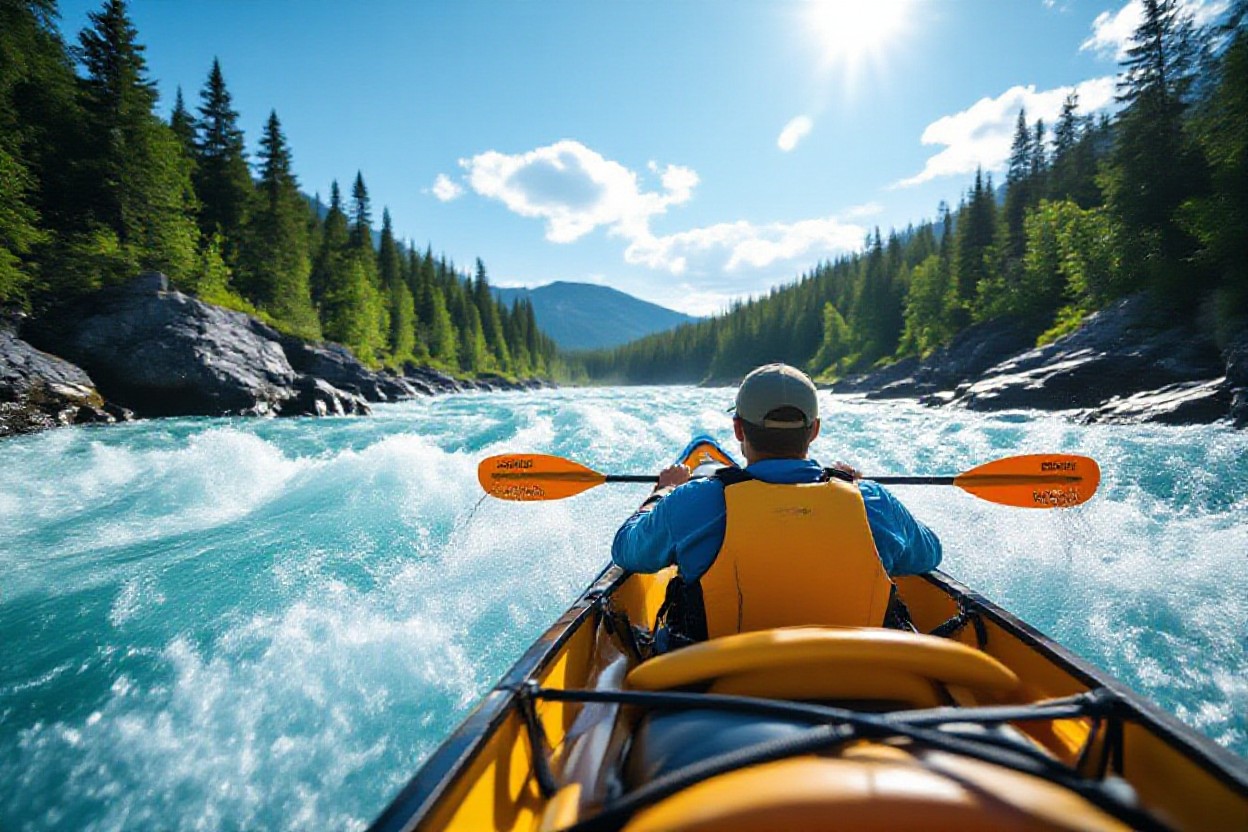
You’ll push through cloud forests, cross glacial ice, and surf remote breaks-adventures like ziplining in Costa Rica, hiking Patagonia, and sandboarding in Peru demand varied skills. Expect activities from low to high intensity: most require moderate fitness, while high‑altitude climbs or long treks need advanced conditioning. Always verify operator certifications, wear protective gear, follow guides’ briefings, and carry basic first aid, sun protection, and emergency contact details.
Ziplining in Costa Rica
Monteverde and Arenal offer multi‑line canopy tours where you’ll fly between platforms 30-200 meters above the forest, with runs up to about 1,000 meters and speeds approaching 80 km/h. Operators typically enforce weight limits (~35-120 kg), provide full‑body harnesses and helmets, and give braking instruction. You should have moderate fitness for stair climbs and balance; sit out if you have recent spine or severe heart conditions.
Sandboarding in Peru
At Huacachina near Ica you can descend dunes that rise for hundreds of meters, reaching speeds of 50-80 km/h on steep runs; beginners start sitting and progress to standing after a lesson. Tours combine dune buggies with 30-60 minute guided sessions, and gear rental is common. Aim for low-moderate fitness, wear a helmet and kneepads, hydrate well, and avoid steep runs until you’ve practiced basic control.
You can take a 4‑hour bus from Lima to Ica then a short taxi to Huacachina; most outfitters run morning and late‑afternoon sessions during the dry season (May-October). Expect to pay $15-40 for a buggy plus gear, with private lessons costing more. Your core strength helps balance, so avoid sandboarding with acute back or neck injuries, and apply strong sunscreen-heatstroke and abrasion are the main risks.

Surfing Destinations
Pick destinations that match your skill and appetite for commitment: mellow beach breaks for beginners, reef or point breaks for experienced surfers chasing hollow tubes. You should plan around seasonal swells – Northern Hemisphere peaks Nov-Feb, Southern Hemisphere May-Sept – and factor in local hazards like rips and reefs. Fitness recommendation: low for beginners, moderate for intermediate, high for big-wave or long paddling sessions; carry basic safety gear and always check local forecasts and guides.
Surfing in Bali
In Bali you’ll find everything from soft, waist-high waves at Kuta to world-class reef breaks at Uluwatu and Padang Padang. You should take lessons in Kuta or Seminyak if you’re a novice; intermediates head to Canggu for consistent beach breaks, while experts score barrels at Uluwatu during the dry season (May-September). Fitness level: moderate for most lineups, high for long reef sessions. Safety tips: respect local etiquette, watch for reef cuts, use a leash, and check swell forecasts on Magicseaweed or Windy.
Best Surfing Spots Around the World
Examples include Pipeline (Oahu) for expert barrels, Jeffreys Bay (South Africa) for long right-point rides, Nazaré (Portugal) for giant swells, Cloudbreak (Fiji) for powerful lefts, and Hossegor (France) for heavy beach breaks. You should match wave type to your goals and season – J-Bay peaks Jun-Aug, Nazaré big-wave season Oct-Feb – and choose fitness and safety preparations accordingly. Recommended fitness: high for big-wave and heavy beach breaks, moderate for points, low-moderate for beginner-friendly beaches.
For deeper planning, train paddling endurance and breath-hold skills before tackling big-wave venues; consider guided sessions at Nazaré or tow-ins where waves exceed 20-30+ feet. You should bring location-specific gear: inflatable vests for giant swells, stronger leashes for reef breaks, and helmets where rocks are present. Check historical swell data and book local guides to navigate currents and crowded lineups safely.
Conclusion
Taking this into account, your ultimate adventure bucket list offers 30 experiences that will test your limits and expand your horizons. Prioritize safety-use certified guides, proper gear, medical checks, training, and travel insurance-and assess fitness before booking: low (hot air ballooning, manta dives), moderate (ziplining, surfing, Patagonia hiking), high (skydiving, bungee, Kilimanjaro, ice‑cave exploration, sandboarding).
FAQ
Q: What are the standout adventures in “The Ultimate Adventure Bucket List: 30 Experiences for Thrill Seekers”?
A: The book highlights iconic, high-adrenaline experiences such as skydiving in Switzerland, diving with manta rays in the Maldives, hiking through Patagonia, bungee jumping in New Zealand, hot air ballooning in Cappadocia, ziplining in Costa Rica, surfing in Bali, climbing Mount Kilimanjaro, exploring Icelandic ice caves, and sandboarding in Peru, plus 20 more varied challenges worldwide. Safety tips: research local operators, check equipment maintenance and certifications, consult a doctor for health or altitude concerns, and plan buffers for weather-related delays. Recommended fitness level: varies by activity – low to moderate for skydiving and hot air ballooning, moderate for diving, ziplining, and surfing, and advanced/high for multi-day treks, high-altitude climbs and extended cold-environment expeditions.
Q: How should I train and prepare for high-altitude or multi-day treks like Kilimanjaro and Patagonia?
A: Build a program combining aerobic conditioning (hiking, running, cycling), strength training (legs, core, back), and progressive loaded hikes with a backpack to simulate conditions; include stair climbs and interval work for cardiovascular endurance. Safety tips: schedule acclimatization days, learn AMS symptoms and carry a pulse oximeter if possible, carry layers for rapid weather changes, hydrate and pace conservatively, and travel with a certified guide or group with a clear evacuation plan. Recommended fitness level: advanced – able to hike 8-12 km with a 8-12 kg pack on uneven terrain, sustain 4-6 hours of moderate uphill effort, and have good cardiovascular baseline fitness.
Q: What safety precautions apply to extreme activities like skydiving, bungee jumping, scuba diving, and ziplining?
A: Insist on operators with recognized certifications (e.g., AFF/USPA for skydiving, PADI/CMAS for diving), review maintenance logs for harnesses and rigs, attend full briefings and safety demos, and limit alcohol or heavy medications before activity. Safety tips: disclose medical conditions, confirm guide-to-client ratios, check weight and health requirements, verify emergency response and evacuation procedures, and practice emergency breathing and signal protocols for water-based activities. Recommended fitness level: low to moderate for single-jump/bungee/balloon experiences (good mobility required), moderate for scuba (swim competency and equalization ability), and moderate to high for activities with long exposure or repeated physical demand.
Q: How do I choose reputable operators and plan logistics for a safe, enjoyable trip?
A: Vet operators via certifications, recent safety inspections, public reviews, and direct questions about instructor experience and incident history; request written gear and emergency procedures. Safety tips: buy trip cancellation and emergency medical evacuation insurance, confirm seasonal weather windows, factor in rest and acclimatization days, double-check visa/entry and local medical requirements, and carry digital copies of important documents. Recommended fitness level: match operator requirements to the activity – ask for specific fitness tests or required prior experience and train accordingly before departure.
Q: How can I minimize environmental impact while doing these adventures and still stay safe?
A: Follow Leave No Trace principles, use local certified guides, stick to marked trails, avoid disturbing wildlife (no touching or feeding), and choose operators with clear sustainability policies and waste-management practices. Safety tips: use reef-safe sunscreen for marine activities, carry a personal first-aid kit, stay within permitted areas to avoid unstable terrain or protected habitats, and respect local cultural and environmental regulations. Recommended fitness level: moderate for most eco-conscious activities, with specific requirements depending on terrain and exposure; prioritizing cautious pacing and good situational awareness reduces both environmental harm and personal risk.