There’s a sharp moment when your wallet vanishes and the city around you goes from vibrant to hostile; in this guide you’ll learn exactly what to do, how to secure yourself, whom to contact, and how to turn the shock into practical steps that protect your trip and dignity. You’ll follow step-by-step actions proven to work, legal and safety tips, and an unexpected resolution that turns loss into leverage-so you can act fast and regain control if it happens to you.
Key Takeaways:
- First-person vulnerability creates instant empathy, pulling readers into the story.
- Fear factor raises stakes and attention, increasing urgency to read and share.
- Curiosity gap in the headline forces clicks by promising an unresolved surprise.
- An unexpected twist flips expectations, delivering a strong emotional payoff.
- Emotional connection (fear → relief) drives comments, shares, and longer audience retention.
Types of Theft in Barcelona
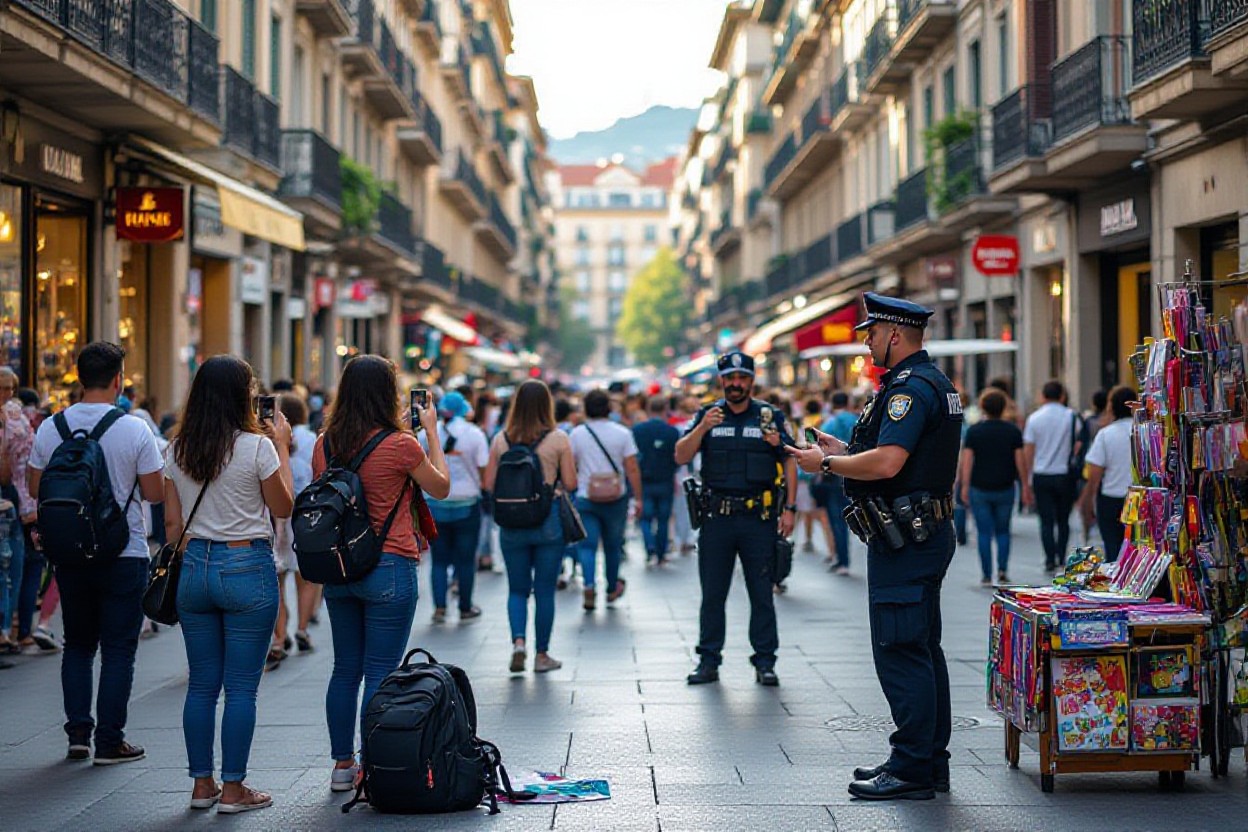
You’ll encounter a mix of theft tactics: lightning-fast pickpockets in packed metros and on La Rambla, scooter-driven bag snatches at street corners, distraction teams near markets, ATM skimming at busy cashpoints, and impostor schemes preying on tourists; hotspots include Passeig de Gràcia, the Gothic Quarter and metro lines L1/L3 during peak hours. Police logs and traveler reports consistently place incidents within 200 meters of major sights, often between 18:00-23:00.
- Pickpocketing – close-contact steals in crowds
- Bag snatching – scooters and quick grabs
- Distraction scams – spilled drinks, fake petitions
- ATM/Skimming fraud – card cloning and shoulder surfing
- Impostors – fake officers or rental scams
Recognizing patterns, times and places gives you a measurable advantage when moving through tourist zones.
| Pickpocketing | Crowded metros, La Rambla; teams use elbowing, maps or kids as cover |
| Bag Snatching | Scooter or pedestrian snatches at intersections and beaches |
| Distraction Scams | Markets and plazas; thieves employ spills, petitions, or staged fights |
| ATM/Skimming | ATMs near tourist hubs; skimmers, cameras, shoulder watchers |
| Impostor Scams | Fake police, ticket inspectors, or rental agents targeting tourists |
Pickpocketing
You may not feel a wallet leave your pocket: pickpockets work in teams of two or three, one creates a diversion while another lifts phones, passports or cards in 5-15 seconds; frequent tactics include map-blocking, children milling around, or someone “apologizing” after a bump. Stay especially alert on metro L3 and busy stretches of La Rambla, where dense crowds give thieves cover and recovery odds drop fast.
Bag Snatching
You can lose a shoulder bag in under three seconds when a rider on a scooter or a quick passerby yanks and speeds away; targets are often loose straps, open totes or bags worn on the back, and attacks spike at intersections, beachfront promenades and outside tapas bars during evening hours.
When a bag snatch occurs, thieves typically survey for easy targets – soft straps, cameras visible on tables, or backpacks left on chairs – then strike from a moving vehicle or a running grab. You should anchor bags with crossbody straps, keep zippers closed and hold bags on the side away from traffic; if grabbed, note direction, vehicle description and report immediately to Mossos d’Esquadra or call emergency services so police can act while leads are fresh.
Tips to Avoid Being Robbed
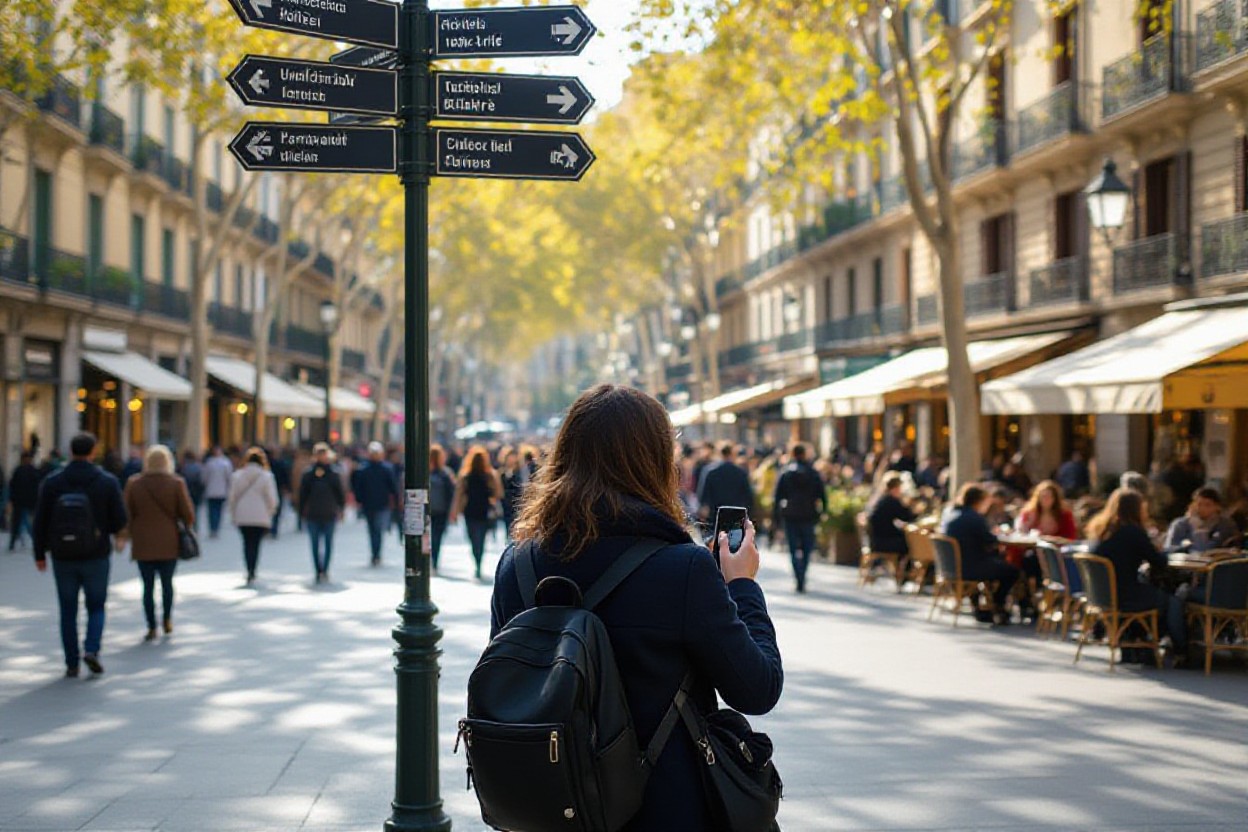
When moving through Barcelona’s crowded zones, adopt small habits: use a crossbody bag worn in front, spread cash and cards in separate pockets, and avoid displaying phones. Thieves often work in teams of 2-3 and execute grabs in 10-15 seconds on La Rambla, metros and tourist sites. Keep backups-scanned passports, one emergency card hidden-and trust your instincts. Perceiving subtle cues-hand-over-hand movement, unusual closeness, or staged distractions-lets you react before it’s too late.
- Blend in: avoid maps and large cameras; dress low-key to reduce attention.
- Divide cash and cards: carry only a day’s worth on you, hide backups elsewhere.
- Use anti-theft gear: locking zippers, RFID sleeves, and slash-resistant straps help deter attempts.
- Have quick access: know where your ID and a single card are so you don’t fumble in public.
Staying Aware of Your Surroundings
You should sweep crowds for exits and landmarks every few minutes, limiting phone use to quick checks under 10 seconds. Pickpocket teams of 2-3 target packed metros and tourist routes; one distracts while another takes. Remove earbuds near plazas and in transit; keep at least an arm’s length of space when possible. If someone bumps you from behind, firmly check your pockets and bag-most theft attempts occur during sudden, small commotions.
Securing Your Belongings
Choose bags with locking zippers and slash-resistant straps; wear them across your body and tuck openings toward your chest. Keep cards in RFID sleeves and split cash into two locations: daily spend and emergency stash. Set your phone’s lock to require PIN or biometrics immediately; enable remote tracking. A lightweight cable lock or clasped carabiner can secure a bag to a chair in cafés.
Invest in proven products: Pacsafe-style wire mesh, zipper locks, and RFID wallets-many travelers report lower loss incidents when using them. Photograph documents and upload them to cloud storage, and save international card numbers for quick freezes. When sleeping in hostels, loop straps through bed frames or lockers; on buses, keep valuables in a forward-facing pouch. Practice packing so you can withdraw money in under 20 seconds without exposing everything.
Step-by-Step Guide After a Robbery
After you confirm your safety, follow a tight checklist to limit damage: secure a police report, lock or cancel payment methods, and preserve evidence like receipts or photos. Act within 24-48 hours when possible; insurers and banks often require a police reference for claims and fraud disputes. Quick, documented moves reduce financial loss and speed replacements so you can get back on the road sooner.
Quick Actions vs Follow-up
| Immediate (first hours) | Call 112 if threatened, move to a safe place, file a police report (denuncia), use your bank app to freeze cards. |
| Within 24-48 hours | Provide police reference to your bank and insurer, get emergency cash or card replacements, contact your embassy for lost passport help. |
| Afterward | Monitor accounts for fraudulent charges, replace IDs, keep copies of all reports and receipts for claims. |
Reporting the Incident
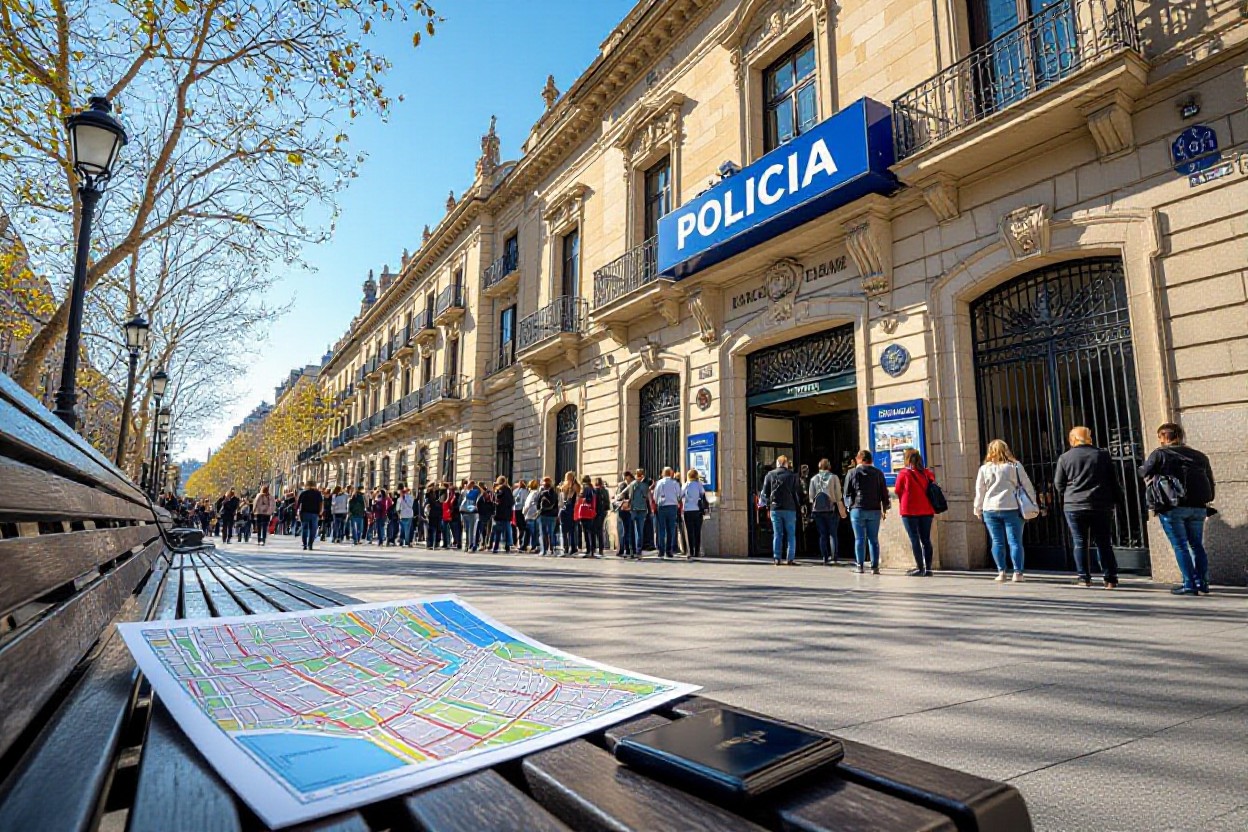
You should file a formal denuncia at the nearest police station or via Mossos d’Esquadra in Barcelona so you have an official reference number for banks and insurers. Bring ID, approximate time/location (e.g., La Rambla at 21:30), and any witnesses or CCTV info. Police typically issue a report number-save that (for example, expediente 2024/6789)-since insurers almost always require it to process claims.
Cancelling Cards and Documents
Immediately block cards using your bank app or the 24/7 hotline on the back of your card; many issuers can freeze accounts within minutes and dispute unauthorized transactions if you report promptly. Also suspend your phone SIM with the operator to prevent SIM-based fraud, and notify transport cards or digital wallets to remove linked payment methods.
For deeper follow-up, contact your bank to request an emergency replacement or same-day cash advance-some banks in Spain provide this service at branches. Next, contact your embassy or consulate to arrange an emergency travel document or passport replacement; processing can take 24-72 hours depending on bureaucracy. Keep digital and physical copies of the police report, card block confirmation, and any provisional IDs to streamline insurance claims and travel arrangements.
Factors Contributing to Theft in Tourist Areas
Dense crowds, street performers and long queues create constant distraction that thieves exploit; in Barcelona hotspots like La Rambla and major metro lines, teams frequently target tourists with open bags or phones in hand. Organized rings often use staged bumps, petitions or fake guides to test reactions before a grab. Perceiving these patterns – rush-hour platforms, souvenir stalls and crowded viewpoints – helps you anticipate when and where theft attempts are most likely to occur.
- High-density areas: La Rambla, Passeig de Gràcia, metro lines during peak hours
- Distraction tactics: staged charity drives, spilled drinks, map-reading setups
- Visible valuables: phones, cameras, wallets in back pockets or open bags
- Organized rings: teams of 2-4 working in coordination to cut, grab or distract
- Scams at ATMs and exchange kiosks that expose your PIN or cash
Crowded Locations
When you’re shoulder-to-shoulder on Las Ramblas or a packed metro, your peripheral awareness narrows and thieves exploit that tunnel vision; pickpocket teams of 2-4 create micro-chaos-spills, faux-arguments-to lift wallets. During festivals and match days foot traffic can jump 30-50% and police resources are stretched, which increases your vulnerability. Keep bags crossbody and zipped, move valuables to inner pockets, and watch exits as you navigate dense crowds.
Popular Tourist Attractions
At Sagrada Família, Park Güell and the Gothic Quarter you face concentrated crowds and dozens of street vendors, so thieves blend in while you photograph or queue; many thefts cluster within a few hundred meters of top sights. Split cash, avoid visible camera straps, and require biometric locks for mobile payments to limit loss and identity exposure.
Thieves often target moments when you adjust a camera or buy a ticket-one person distracts while another lifts a bag or snatches a phone in seconds; fake guides and petitioners are especially common near entrances. Always buy tickets from official counters or apps, stash passports and extra cards separately, and photograph travel documents so you can act fast if something is taken.
Pros and Cons of Traveling in Barcelona
| Pros | Cons |
|---|---|
| World-class architecture like Gaudí’s Sagrada Família and Park Güell. | High rate of petty theft in tourist hotspots such as La Rambla and the Gothic Quarter. |
| Rich food scene from tapas bars to La Boqueria market. | Restaurants near attractions often charge tourist premiums and service fees. |
| Efficient metro and tram network reaching most attractions. | Rush-hour crowds on metro lines and crowded buses can make travel stressful. |
| Mild Mediterranean climate with long beach season. | Summer heat and crowded beaches can amplify pickpocketing and scams. |
| Walkable neighborhoods rich in local life and street art. | Narrow streets and uneven pavements can be difficult with luggage or strollers. |
| Vibrant nightlife, festivals like La Mercè and neighborhood fiestas. | Noise and late-night crowds can disrupt sleep and safety in some areas. |
| Numerous museums and cultural sites, many with combined tickets. | Lines and advance bookings often required for top museums and Gaudí sites. |
| Easy day trips to Montserrat, Sitges, and Girona. | Peak-season transport to day-trip sites can sell out; plan tickets ahead. |
Cultural Richness
You can walk from medieval lanes to Modernist masterpieces in minutes, seeing Gaudí’s mosaics, the Picasso Museum’s early works, and neighborhood fiestas in Gràcia; Sagrada Família’s construction began in 1882 and still draws millions annually, while Catalan language and food culture-pa amb tomàquet, fideuà-give you layered, local experiences that reward slow exploration and conversation with shop owners and artisans.
Safety Concerns
You should be aware that petty crime, especially pickpocketing and bag snatching, targets busy spots like La Rambla, metro stations, and Barceloneta beach; common tactics include distraction techniques, motorbike grabs, and groups working in tandem, so keep valuables concealed and use anti-theft measures.
After my own theft I learned practical steps: immediately cancel cards and SIM, file a report with Mossos d’Esquadra (you’ll need the police report for insurance), check nearby CCTV points, and use device-tracking apps-police often recover phones within 48-72 hours when a clear last-seen location is available. Also, register serial numbers and backup important docs before travel, scan passports to cloud storage, and prefer a money belt or RFID-blocking wallet in crowded areas; these measures materially increase your chances of quick recovery and minimal disruption.
What to Do if You Are Robbed
After the shock, act methodically: move to a safe, populated spot and call 112 immediately; then file a denuncia at the nearest Mossos d’Esquadra or Policía Nacional station so you have an official report for insurance and passport replacement. Keep a list of taken items, serial numbers like IMEI for phones, witness contacts, and the exact time and location to strengthen your case.
Immediate Actions
First, prioritize your safety by leaving the scene and finding witnesses or CCTV; ask bystanders for names and photos. Then call 112 for police and medical help if needed, use your bank’s app or hotline to block cards, and note device IMEIs-your carrier can blacklist a stolen phone. Photograph any visible evidence and get the police report number before you leave.
Long-term Steps
Next, contact your embassy or consulate to replace travel documents and start insurance claims-many policies expect a police report within 7 days. Freeze or monitor credit, change all passwords and enable 2FA, and inform your bank in writing for chargebacks. Keep copies of the denuncia, receipts, and any communications to speed reimbursements.
When filing claims, provide itemized lists, original receipts if available, and serial numbers; for phones include the IMEI and any tracking logs. Embassy emergency passports can often be issued within 24-72 hours; insurers and banks will give you a reference number-save those and follow up every 7-10 days. Monitor accounts closely for at least 90 days to catch delayed fraud attempts.
To wrap up
Presently you understand how getting robbed in Barcelona transformed from a panic into a powerful lesson: stay aware, document details, contact local authorities and your embassy, and use community channels to recover or mitigate loss. You learned practical steps for safety, insurance claims, and emotional recovery, plus how an unexpected ally or legal twist can change outcomes. Apply these measures to protect your journey and to help others avoid the same vulnerability while traveling.
FAQ
Q: What exactly happened the day I got robbed in Barcelona?
A: While walking down a crowded stretch near La Rambla my backpack strap was cut and my phone, wallet and passport were gone within seconds. I froze, flooded with shock and panic, and initially couldn’t tell if I was being targeted or if it was just a quick, professional grab. The whole scene felt surreal-one moment ordinary sightseeing, the next completely exposed and vulnerable.
Q: How did I react immediately after the theft?
A: I chased on instinct for a few blocks but lost them in the crowd. Adrenaline gave way to nausea and an overwhelming sense of violation. A nearby shopkeeper guided me to the tourist police, a kind stranger lent me a charger so I could access my cloud backups, and I called my bank to freeze cards. I focused on practical steps while trying to process the emotional hit-calling my emergency contact, reporting the passport stolen at the consulate, and filing a police report.
Q: What role did locals and the police play in what happened next?
A: The local tourist police were efficient and compassionate; they took my statement, checked CCTV on nearby cameras, and connected me with a lost-and-found group. Several shopkeepers shared footage and eyewitness details. A young café owner even posted a short video to neighborhood chat groups asking for help; that grassroots visibility made the difference in tracking a possible direction where the thieves exited the area.
Q: What was the unexpected twist that follows the clickbait headline?
A: A week after the robbery a courier knocked on my temporary address carrying a small bundle: my passport and a few sentimental items that had been missing. Someone had found the passport and chosen to return it anonymously rather than sell it. I later learned a local resident who saw a discarded bag picked it up, checked inside, and used the ID to contact my embassy. The real surprise wasn’t only the recovery of items but the flood of kindness from strangers who mobilized to help a shaken tourist, turning a frightening event into a story about community solidarity.
Q: What should other travelers learn from this experience?
A: Take practical precautions-use anti-theft bags, split cash and cards, enable remote tracking and backups, and know how to contact your embassy-but also prepare for the emotional fallout: allow yourself to feel shaken, seek support from locals or fellow travelers, and document everything for police and insurance. If something similar happens, act quickly on safety and cancellation steps, report the crime, and lean on small acts of local kindness; those human responses often shape the recovery far more than the material losses.