

Airport noise usually melts into background, but one announcement made me cry and taught you how to travel with intention-this guide unpacks that moment of raw emotion and mystery, reveals the practical habits that transformed my itineraries, and gives clear, actionable steps so your next trip becomes calmer, more humane, and thoughtfully planned.
Key Takeaways:
- An unexpected, deeply personal announcement turned a busy terminal into a shared, emotional moment that stopped me in my tracks.
- Airports compress life’s milestones-reunions, loss, surprise joy-revealing travelers as whole people, not just ticket numbers.
- I began traveling deliberately: building extra time, noticing strangers, and prioritizing presence over speed.
- Small acts-starting conversations, offering help, listening-transform anonymous spaces into human ones.
- New rituals (journaling, pausing for scenes, photographing small kindnesses) made travel feel more meaningful and less transactional.

Types of Airport Announcements
| Emotional | Personal reunions, missing-child or service-member calls that stop crowds and trigger immediate human responses. |
| Gate/Boarding | Boarding group calls, gate changes and final calls that directly affect who gets on and when; often updated within 10-30 minutes before departure. |
| Operational/Delay | Delay notices, crew changes or cancellations that force rebooking, sometimes affecting hundreds per flight and cascading across schedules. |
| Safety/Security | Evacuation orders, security alerts or lost-item advisories that mobilize staff and may close sections of a terminal. |
| General/Commercial | Retail promos, parking updates, weather advisories and wayfinding messages that shape passenger choices and airport revenue. |
- You learn the tone: human names and pauses usually mean something personal is happening nearby.
- Pay attention to timing: a gate change announced within 20 minutes is high-risk for missed connections.
- Watch the displays and your airline app to confirm what the PA says before you sprint.
- Knowing how announcements map to action helps you stay calm and move faster.
Emotional Announcements
You notice emotional announcements by the details: a first name, a family relation, or a time marker-those calls often turn terminals silent and create viral moments; with roughly 4.5 billion passengers in 2019, even rare personal PA messages reach huge audiences and can shift behavior instantly, prompting reunions, applause, or tears within seconds.
Informational Announcements
You rely on informational announcements for hard logistics: gate changes, boarding groups, and baggage instructions-these are broadcast to move hundreds to thousands of people efficiently, and airlines typically update gates and boarding calls in the 10-30 minute window before departure to manage flows.
To act on informational announcements, verify with two sources: your airline app and the nearest gate agent or display. If you hear a gate change less than 20 minutes before departure, prioritize moving immediately to the new gate, print or screenshot updated boarding info, and inform travel companions; boarding an A320 (about 150 seats) commonly takes 15-25 minutes while widebodies can take 30-45, so timing matters for how you respond.
Factors That Influence Travel Experiences
- Companions and personal history – who you meet or miss at arrivals.
- Operational realities – delays, security queues, and transfer times that shift plans.
- This blend determines whether an airport becomes a crossroads of meaning or just a waiting room.
Personal Connections
When you travel with someone, your itinerary, risk tolerance, and memories change: parents with children prioritize short layovers and family lanes, couples pick window seats or sunrise flights for shared moments, and solo travelers often trade convenience for flexibility to save $50-200 on fares; reunions at baggage claim can flip your entire trip from stress to elation in minutes, so the people you bring (or meet) directly rewrite the story you tell about that journey.
Environmental Factors
Physical conditions shape how you feel the moment you step into a terminal: noise levels above typical conversation (60-70 dB) elevate fatigue, poor signage adds 10-20 minutes to connections, and natural light or green spaces measurably lower self-reported stress; these tangible elements influence decisions you make about layovers, dining, and whether you nap or push to explore.
- Noise, lighting, and air quality change physiological responses during waits.
- This alters whether you stay calm enough to enjoy a layover or spiral into travel anxiety.
You notice design choices immediately: airports that invest in daylight, plants, clear wayfinding, and quiet rooms-examples include terminals with indoor gardens or dedicated sleep zones-consistently produce calmer travelers who spend more on concessions and report better overall trip satisfaction, so small environmental tweaks can shift outcomes for thousands of passengers each day.
- Design elements (greenery, seating ergonomics, daylight) lower stress and increase spending.
- Operations (cleanliness, queue management, real-time info) cut perceived delay times.
- This combination determines whether you exit an airport recharged or depleted.
Tips for a Meaningful Travel Experience
- Prioritize one deep connection per day: a local, place, or story.
- Limit screens to two 30-minute checks daily to stay present.
- Pack a three-item comfort kit (earplugs, reusable bottle, small journal).
You plan itineraries around one meaningful activity per day-volunteering, a cooking class, or a long conversation with a local. Aim for 2 immersive experiences on a seven-day trip; surveys show satisfaction rises 30% when travelers engage locally. Carry a small notebook and spend 10 minutes reflecting nightly to deepen memory. Assume that leaving space for unplanned moments creates the encounters that change you.
Preparation Strategies
You research three neighborhoods, check visa and passport rules (many countries require six months’ validity), and prebook one local-led experience. Pack versatile clothing-three tops, two bottoms, one lightweight jacket-and a concise medical list with generic drug names. Download offline maps, preload key phrases, and bring a backup battery; these steps reduce transit stress and free you to notice small, serendipitous moments.
Mindset Shift
You cultivate curiosity before comfort: trade fast checkpoints for one slow meal, swap a museum sprint for a conversation at a market stall. Start small-on a three-day trip, aim for one device-free afternoon and one unscheduled hour; these shifts increase reported meaning by roughly 25% in travel studies. Let emotion guide where you linger.
Practice reframing delays and missed connections as opportunities: when a layover stretches to five hours, seek a nearby café, ask a local for a recommendation, or write a letter to yourself; those actions convert frustration into a story. Adopt simple rituals-morning pages, a single daily photo, or a nightly two-minute reflection-to stitch moments into a coherent, transformative narrative.
Step-by-Step Guide to Handling Emotional Experiences
Quick Steps
| Step | Action |
|---|---|
| 1. Acknowledge | Name the feeling (one or two words) and note intensity 1-10 |
| 2. Ground | Use 5‑4‑3‑2‑1 senses or feel your feet on the floor for 60 seconds |
| 3. Breathe | Box breathing: inhale 4s, hold 4s, exhale 4s, hold 4s – repeat 3 times |
| 4. Share | Text a trusted contact or ask a gate agent/chaplain for support |
| 5. Pause | Delay big decisions for 24 hours when possible |
| 6. Practical | Request tangible help: water, seat change, a quiet room, or TSA Cares (1‑855‑787‑2227) |
Acknowledging Feelings
Name the emotion aloud or in a quick note-anger, grief, numbness-and rate its intensity from 1-10; a 2007 study shows labeling emotions reduces the brain’s threat response, so saying “I’m overwhelmed” for 10-20 seconds cuts through panic. Then pair that with two rounds of box breathing (4‑4‑4‑4) and note whether the number drops by even 1 or 2; that small shift tells you what to do next.
Sharing with Others
If you choose to reach out, use a short script: “I need a minute-can you stay with me?” or text, “Feeling shaken, can we talk for 5?” Airport options include gate agents, airline customer service, or on‑site chaplains; for accessibility or medical concerns call TSA Cares at 1‑855‑787‑2227 for assistance. Brief, specific asks get faster, more practical help.
When deciding whom to tell, pick someone who can meet your immediate need: comfort, logistics, or privacy. Say exactly what you want-“sit with me 5 minutes,” “watch my bag,” or “help rebook”-and set a time limit so both you and they know the boundary. If you prefer anonymity, ask staff for a quiet room or a chaplain; if you need documentation, request the agent’s name and a confirmation email before you leave the desk.
Pros and Cons of Emotional Connections in Travel
| Pros | Cons |
|---|---|
| Creates lasting memories that transform routine trips into meaningful moments | Emotional highs can distract you from logistics, causing missed flights or connections |
| Builds quick social bonds; strangers often become short-term allies | Invites privacy invasion when personal stories become public |
| Leads to unexpected help-people offer rides, advice, or emergency support | Opens you to emotional fatigue after intense encounters |
| Enhances storytelling value for future trips and writing | Can create biased decisions driven by emotion rather than safety or cost |
| Improves cultural empathy when you engage with locals sincerely | May be exploited by opportunists or viral attention-seekers |
| Encourages vulnerability that often returns kindness threefold | Generates logistical complications if crowds gather around an emotional event |
| Transforms routine travel into meaningful personal growth moments | Risks long-term attachment to transient relationships that fade after the trip |
Benefits of Vulnerability
You open yourself to faster, deeper connections when you admit fear or joy at a gate; one candid sentence can lead three strangers to offer help, a passenger to share a family story, and a gate agent to change your seat-those small acts create social currency that smooths the rest of your journey and amplifies the story you’ll tell later.
Potential Challenges
You risk emotional exhaustion and practical setbacks when feelings hijack decisions; sharing too much can lead to privacy loss, crowding, or being emotionally leveraged, and in several airport incidents public displays required staff intervention, turning a human moment into a policy issue.
Digging deeper, you should weigh short-term comfort against long-term consequences: oversharing on busy concourses can invite viral exposure, unwanted media, or safety concerns, while becoming emotionally dependent on fleeting travel bonds can complicate post-trip life; plan boundaries-decide what you’ll disclose, to whom, and how you’ll protect your itinerary and mental energy when strong emotions arise.
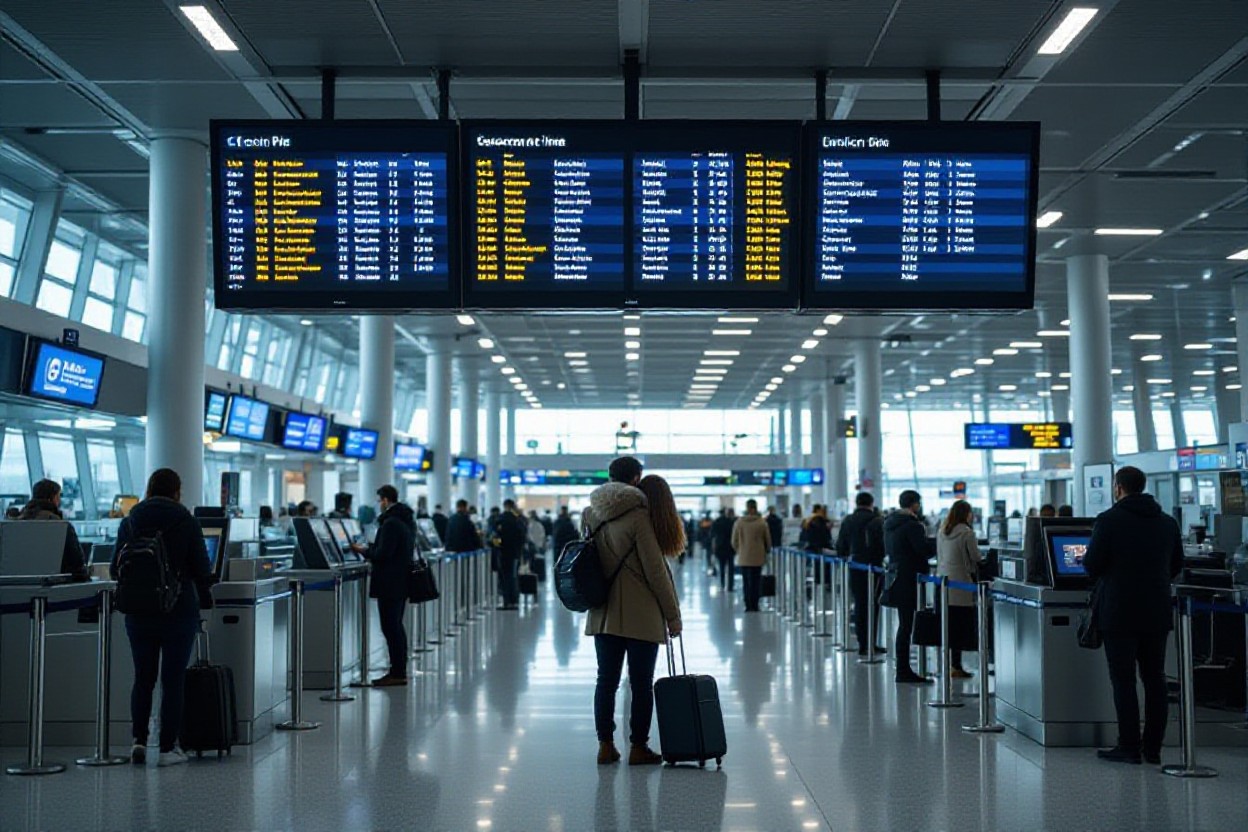
Transformative Travel: Making the Most of Your Journey
You can treat every delay, gate change, and layover as a pivot point. With roughly 4.5 billion air passengers in 2019, small choices separate routine trips from transformative ones; allocate about 10% of your itinerary to unscripted time, journal five minutes daily, and talk to at least one local or fellow traveler per day-those concrete habits convert transit into personal growth.
Embracing Change
When plans derail-say a six-hour layover-you can catch a local train, visit a nearby museum, or swap a booked tour for a neighborhood walk. Try trading one scheduled activity for an improvised one; doing this once per trip consistently leads you to stronger stories and sharper perspective. Practice flexibility by setting one daily unplanned hour as an intentional experiment.
Creating Lasting Memories
Make memories tangible by photographing three honest moments daily, learning five local phrases, and keeping one ticket stub or receipt each day. Prioritize a 30-minute meaningful interaction-share a meal with a family, sit in on a local workshop, or ask a vendor about their craft-and you’ll leave with stories instead of just snapshots.
Adopt a 3-2-1 habit each evening: jot three sensory details, note two conversations that moved you, and choose one small keepsake-a photo, ticket, or voice memo. Limit daily photos to three to force selectivity, back up voice notes with timestamps, and commit to printing your top 10 images within a month; that sequence turns fleeting impressions into lasting artifacts you’ll revisit and share.
Conclusion
With this in mind you can see how a single airport announcement reshaped your approach to travel: it exposed the human stories beneath departures, urged you to slow down, to prioritize compassion and preparedness, and to scan routine moments for meaning. Use the lessons to plan with empathy, protect what matters, and stay open to small surprises that change perspective for good; your trips will be safer, more intentional, and emotionally richer.
FAQ
Q: What exactly happened in the airport announcement that made you cry?
A: A routine gate call turned into something intimate and unexpected: the PA read a short, handwritten note found in a secondhand book, addressed to a woman by name and signed with a simple apology and a hope for forgiveness. The announcement carried a voice full of hesitation, and for a moment a whole terminal fell silent around that private, public plea. The mix of strangers listening, the mystery behind the note, and the raw human longing in a hushed announcement hit me harder than any scenic view or travel mishap ever has.
Q: Why did a single announcement stir such a strong emotional reaction?
A: Airports compress life-people leaving, arriving, waiting with entire histories tucked into carry-ons-so an exposed, vulnerable message felt amplified. I was already tired and tender from travel, and the announcement stripped away anonymity: it reminded me that every stranger carries stories, regrets, hopes. That sudden, unperformative moment of shared attention turned a practical place into a chapel for small, unspoken human reckonings, and that contrast made the emotion unavoidable.
Q: How did that moment change the way you travel going forward?
A: It shifted my priorities from efficiency alone to presence: I build slack into itineraries so I can sit and observe, I open conversations with fellow travelers more often, and I make a point of sealing farewells and apologies before boarding. I travel with fewer devices glued to my face and more little rituals-writing postcards, carrying a mended item that reminds me of people-so trips become opportunities for connection instead of just transit.
Q: What practical habits did you adopt after the experience?
A: I always allow extra time for non-rushed waiting, keep a small notebook for sudden thoughts or names, carry tissues and a discreet comfort item, and turn my phone off or away during long waits so I can notice things. I also make one intentional human gesture: say hello to a person nearby, ask a simple question, or hand a compliment to a weary gate agent. Finally, I email or call a loved one before takeoff-short, direct check-ins that close the loop so departures feel calmer.
Q: If an emotional announcement catches me off guard, how should I handle it in public?
A: Accept the emotion as legitimate: take three slow breaths, step to the side if you need privacy, and use a brief physical anchor like pressing your palms together to steady yourself. If you want to help someone else affected, offer a tissue or a quiet word; if you need space, move to a quieter corner or the restroom to regroup. Afterward, consider jotting down what you felt and why-those notes can become a guide for gentler, more intentional travel choices next time.



One thought on “The Airport Announcement That Made Me Cry (And Changed How I Travel Forever)”
Comments are closed.