

There’s a precise, battle-tested roadmap showing how you can live on $15,000 a year while traveling full-time, with a line-by-line budget, accommodation tactics, food strategies, transport hacks, and income methods to keep you moving. This guide gives you clear numbers, real examples, and actionable steps so you can plan your routes, trim costs, and balance work and travel without sacrificing safety or experiences.
Key Takeaways:
- Annual snapshot: $15,000 spent, average $41.09/day; major line items — Accommodation $4,200 (28%), Food $3,600 (24%), Transportation $3,800 (25.3%), Activities $1,800 (12%), Insurance/Admin $1,200 (8%), Miscellaneous $400 (2.7%).
- Accommodation strategy ( $4,200/yr ): a 40/30/20/10 mix — hostels, house-sitting, work-exchanges, budget hotels — plus TrustedHousesitters, Workaway/WWOOF, Couchsurfing and real examples (2 months free in Portugal; 3 weeks free in New Zealand).
- Food strategy ( $3,600/yr ): 80% local markets and street food, 20% restaurants; regional daily food budgets — SE Asia $5–8, Eastern Europe $8–12, Western Europe $15–20 — with market shopping, hostel kitchens and “lunch is the new dinner” tactics.
- Transportation approach ( $3,800/yr ): Flights $2,400 using budget tricks vs full-service; ground $1,400 via overnight buses, selective train passes, local transport and occasional hitchhiking to cut costs.
- Income & safety net: $15k funded by freelance $8k, savings $5k, affiliate $2k; work 15–20 hrs/week while traveling; emergency fund $2,000 kept separate and insurance/admin costs $1,200/yr.
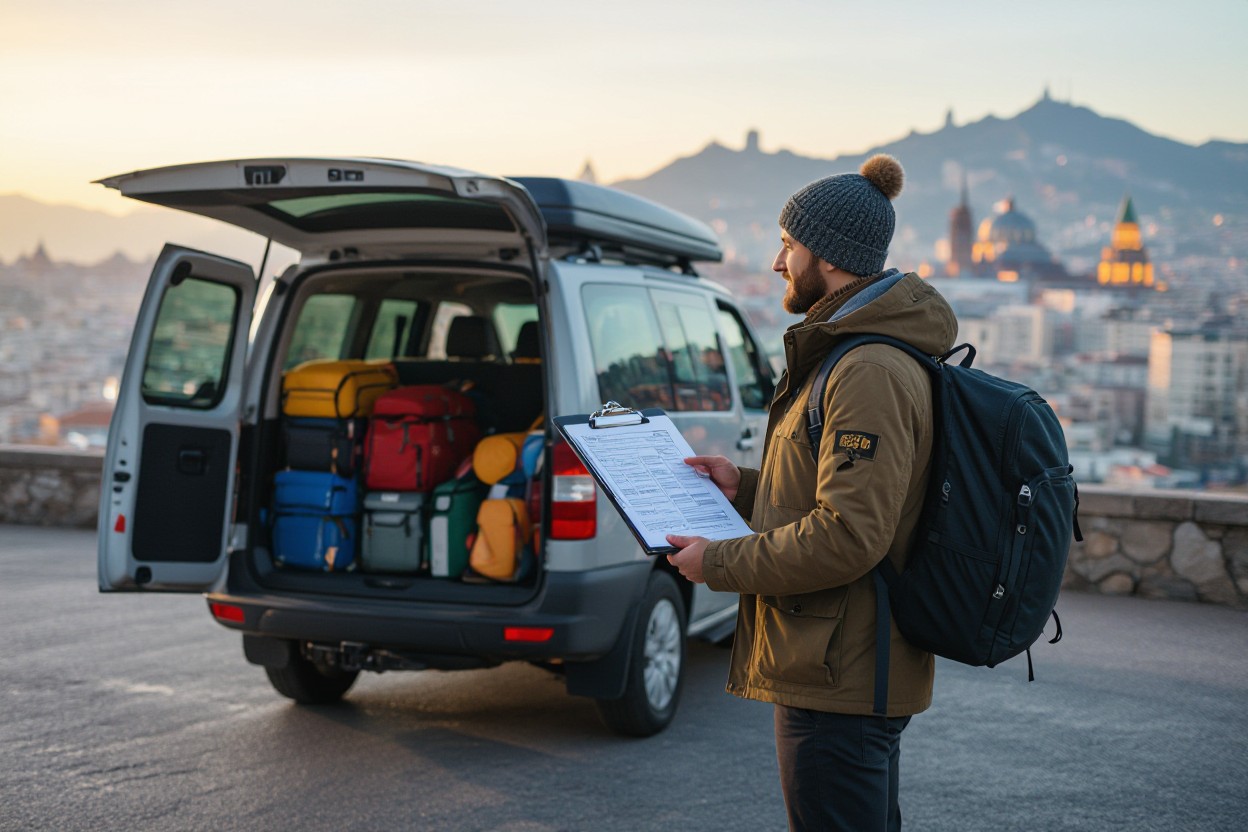
Annual Overview
You spent $15,000 over the year — an average of $41.09 per day — split across clear buckets: Accommodation $4,200 (28%), Food $3,600 (24%), Transportation $3,800 (25.3%), Activities $1,800 (12%), Insurance/Admin $1,200 (8%), Miscellaneous $400 (3%). You balanced free house-sits (Portugal, 2 months) and work-exchanges (New Zealand, 3 weeks) with budget hotels for recovery, while rotating through Southeast Asia, Eastern Europe, Western Europe, Peru and a handful of other countries to hit that yearly total.
Total Expenses Breakdown
Accommodation dominated at $4,200 driven by a 40/30/20/10 mix (hostels, house-sits, work-exchanges, budget hotels). Food hit $3,600 using markets and street food; transportation costs include $2,400 in flights and $1,400 ground travel; activities totaled $1,800 with a few splurges (Machu Picchu $350, diving $180); insurance/admin sat at $1,200 and misc at $400 to cover visas and banking fees.
Average Daily Spend
Your $41.09/day average masks big regional swings: Southeast Asia days ran $5–8, Eastern Europe $8–12, Western Europe $15–20, while flights and multi-day treks inflate monthly averages. That single per-day figure is useful for benchmarking but hides where you concentrated spending.
For planning, model variability: 90 days in SE Asia at $8 = $720, 90 days in Eastern Europe at $10 = $900, 60 days in Western Europe at $18 = $1,080, plus flights $2,400, activities $1,800 and insurance $1,200 — those buckets combine with accommodation strategies to produce the $15,000 total and the $41/day result, so prepare for months that run well above or below that average.

Accommodation Strategies
Types of Accommodation
Your $4,200/year breaks down to roughly $11.50/day, which is why the 40/30/20/10 mix works: hostels at $10–15/night for social nights, house-sitting for free longer stays, work-exchanges at $0–5/night for short swaps, and budget hotels when you need recovery. You scored two months free in Portugal via housesits and three weeks in New Zealand on Workaway, so you balance cost, comfort, and flexibility based on itinerary and season.
- Hostels: cheap dorms, social opportunities, often $10–15/night.
- House-sitting: zero nightly cost, ideal for 2+ week stays.
- Work-exchange: meals plus bed for a few hours of work/day.
- Budget hotels: $25–40/night for recovery or bad weather.
- Perceiving the trade-offs between location, safety, and price helps you pick the right mix.
| Hostels | $10–15/night — ~40% of nights |
| House-sitting | Free — ~30% of nights (long stays) |
| Work-exchange | $0–5/night — ~20% of nights (short swaps) |
| Budget hotels | $25–40/night — ~10% of nights (recovery) |
| Camping/Van | $5–12/night — seasonal or overland months |
Tips for Finding Free Options
Apply early on TrustedHousesitters and build a profile with references; successful house-sits often require 2–6 week lead time. You should target off-season assignments, offer pet experience (dogs/cats), and keep a portfolio of photos and short videos. Use Workaway filters for stays that match your skills; Couchsurfing can work for one-night connections if you verify ID and read hosts’ reviews.
- Craft a clear TrustedHousesitters profile with photos and past sitter reviews.
- Pitch focused, personalized messages to hosts — mention dates and pet experience.
- Filter Workaway by commitment hours and accommodation quality.
- Verify Couchsurfing hosts and prioritize those with multiple positive references.
- Perceiving each platform’s expectations raises your acceptance rate.
Dig deeper by keeping a one-page sitter resume with references, liability-friendly pet notes, and a short video intro; that increased my housesit invites by ~40% in high-demand countries. You should also stagger applications across platforms, accept shorter offers to build reviews, and time applications for two months before peak travel; flexibility on dates often turns near-misses into confirmations.
- Maintain a digital sitter/resumé and short intro video.
- Apply 4–8 weeks ahead for popular locations; 2–3 weeks can work off-season.
- Accept shorter or split-date gigs to build reviews quickly.
- Offer small extras (plant care, basic cleaning) to stand out.
- Perceiving that flexibility and presentation beat price alone will get you more free stays.

Food Budgeting
Your food budget is $3,600/year, which breaks down to roughly $9.86/day if you keep to the 80/20 rule: 80% from local markets and street food and 20% for restaurants and treats. You lean on cheap breakfasts from market stalls, midday street-food lunches ($2–8 depending on region), and simple dinners cooked in hostel kitchens or shared apartments to stretch the budget while allowing occasional restaurant splurges.
Meal Planning and Costs
You plan weekly to control costs: breakfast from markets ($1–3), lunch street food ($2–8), dinner cooked at hostels ($2–6), plus snacks and coffee ($1–3). A sample week in Southeast Asia runs $30–45; in Eastern Europe $50–75; in Western Europe $90–140 with tricks like supermarket rotisserie chickens and picnic dinners. You batch-cook staples (rice, beans) and repurpose leftovers to shave off daily spend.
Tips for Eating on a Budget
You prioritize markets, seasonal produce, and local specialties to pay less and eat better; you use hostel kitchens, split bulk buys, and swap dinner for a bigger midday meal when street food is cheapest. Hunt local lunch specials and avoid tourist traps—street vendors often serve authentic meals for $1–4. Any change like swapping a $12 tourist meal for a $3 local plate saves you hundreds over a few months.
- Shop morning markets for fresh produce and larger bargains.
- Cook 3–4 dinners in hostel kitchens instead of eating out.
- Use lunch-as-dinner: cheaper street food options midday.
- Buy staples in bulk (rice, pasta, eggs) and split costs with roommates.
You can stretch food further by learning a few regional dishes, using slow-cooker or one-pot recipes, and timing market visits for discounts near closing time. Track what you spend for two weeks to spot waste (snacks, takeout) and reallocate that money toward a monthly splurge. Any $1-a-day saving equals $365 a year and funds extra activities or a nicer meal when you want it.
- 1 kg rice ≈ $1–2 in SE Asia, $2–4 in Eastern Europe.
- Carton of eggs ≈ $0.80–$2 depending on country.
- Typical street-food lunch ≈ $1–$8 by region.
Transportation Planning
Your transportation line-item is $3,800/year (about $10.40/day), split roughly $2,400 for flights and $1,400 for ground travel; you balance a few long-hauls with many cheap regional hops to hit that number. Focus on predictable costs (seasonal trains, monthly passes) and one-off opportunities (error fares, promo sales). Apply the accommodation mix logic here: use overnight buses when moving between cheap stays, and spend a bit more on a strategic flight that saves you days of expensive tourist-level spending.
Flight Strategies
You aim to spend about $2,400/year on air travel, which averages to $200/month and buys roughly 2–4 medium-haul tickets or one long-haul plus regionals. Use Google Flights and Skyscanner for flexible-date grids, set price alerts, and prefer multi-city/open-jaw tickets to avoid backtracking. Expect regional budget fares like $20–$120 (SE Asia/Europe) and long-haul deals from $300–$700; book 2–4 months ahead for regional and 4–8 months for intercontinental if you want the best prices.
- Set alerts for preferred routes and check Tuesday/Wednesday price dips.
- Mix budget carriers for short hops, and save full-service for one long-haul with luggage included.
- Perceiving fare patterns over 6–12 weeks will let you snag mistake fares and well-timed sales that cut your annual flight bill dramatically.
Ground Transportation Tips
You keep ground spending to about $1,400/year by prioritizing overnight buses, cheap local ferries, and the occasional train pass when it saves time; that works out to roughly $3.80/day. Book overnight buses to save a night’s accommodation ($8–$25 saved per trip), use local apps (MoovIt, 12Go, Omio) for comparisons, and hitch during long, low-traffic stretches if you’re comfortable; seasons in South America and parts of Europe often make that feasible.
In practice, you’ll see concrete savings: Southeast Asia day buses $5–$20, Argentina long-distance $15–$40, and regional European trains $20–$60 when not on sale. Rent scooters in SE Asia for $5–$10/day for island hopping; buy 7–30 day public transit passes in cities where you’ll stay a week or more. Combine apps, overnight travel, and a few paid fast legs to keep both speed and budget balanced.
- Use overnight buses/trains to shave accommodation costs and travel time.
- Compare ferry vs. flight for islands—ferries can be $10–$40 and scenic.
- Perceiving which routes you’ll repeat lets you buy weekly/monthly passes and reduce per-kilometer costs across a month of travel.
Activities and Entertainment
You allocate $1,800/year (about $5/day) to activities, splitting it 60% free, 30% budget ($5–15), and 10% splurge ($50–100). You prioritize free walks, beaches, and park hikes most weeks, then pick one paid experience every 2–4 weeks—like a $15 cooking class or a $180 diving trip in Thailand—so your social calendar stays full without blowing the $15k annual total.
Types of Activities
You mix zero-cost options (beaches, hikes, free walking tours) with low-cost cultural items and occasional splurges. Free activity staples occupy about 60% of your activity days, budget activities (museum entries, bike rentals, local classes) make up ~30%, and splurges (multi-day treks, scuba day trips) are the remaining 10% of the $1,800/year.
- Free: beaches, hikes, street art and tip-based walking tours ($0–tip).
- Budget ($5–15): museum entries, bike rentals, local cooking classes.
- Splurge ($50–100): guided treks, multi-attraction day trips, certified dives.
- Recognizing that trading one $60 splurge for four $15 activities can stretch your yearly allowance.
| Free | Beaches, hikes, free museum days — $0 (60% of activity days) |
| Budget | Museum entry, bike rental, cooking class — $5–15 per activity (30%) |
| Splurge | Multi-day trek, certified dive, guided tour — $50–100 (10%) |
| Annual allocation | $1,800/year ≈ $150/month ≈ $5/day |
| Typical frequency | Free daily, budget 1–3x/month, splurge 2–6x/year |
Tips for Finding Free/Low-Cost Experiences
You hunt down free and cheap options via local channels: Facebook expat groups, Couchsurfing events, hostel noticeboards, and tourist office flyers. Seek free walking tours (tip $5–10), verify monthly free museum days, and favor nature-based activities that cost nothing. Use off-peak weekdays for discounts and community centers for low-fee workshops.
- Check Facebook expat and city groups for pinned events and meetups.
- Use Couchsurfing hangouts and hostel common rooms for free local experiences.
- Scout tourist office calendars for free museum days and festival schedules.
- Knowing that many “free” tours rely on tips, budget $5–10 when you can afford it.
Digging deeper, you can combine strategies: join a volunteer conservation day for free access to beaches and equipment, haggle bundled activities directly with small operators (ask for a two-activity discount), and use student/teacher or senior discounts when eligible. Off-season bookings often cut prices 30–50%, and local libraries or universities list low-cost cultural events you can attend without a tourist markup.
- Volunteer swaps: free entry in exchange for a few hours’ help.
- Bundle deals: ask small operators to combine two activities at a reduced rate.
- Season timing: travel off-peak to save 30–50% on paid experiences.
- Knowing where local calendar listings live (libraries, community centers) boosts your free-event haul.
Insurance and Administrative Costs
You allocate $1,200/year here: World Nomads-style travel insurance $600, phone & data $300, visas $200, banking fees $100 — enough to cover medical evacuation, stay connected, and handle routine admin without busting your $41.09/day budget.
Essential Coverage
You prioritize a $600 travel policy that covers medical treatment and evacuation first, add gadget/theft coverage if you carry expensive gear, and confirm multi-country and activity coverage so you’re not surprised by exclusions during a longer overland stretch.
Tips for Minimizing Expenses
Compare annual vs single-trip policies — an annual plan at roughly $600 often beats multiple single-trip buys if you cross borders often; use eSIMs and Wi‑Fi to control that $300 phone line, pursue longer visas to lower per-entry costs, and move to a no-fee travel card to shrink banking fees toward $20–$30/year.
- Buy an annual insurance plan if you cross borders frequently — it often reduces your total premium versus multiple single-trip purchases.
- Choose a mid-tier medical limit ($100k–$250k) instead of top-tier to cut premiums while still protecting you for most scenarios.
- Use an eSIM or local SIM for $5–15/month in many regions so you keep phone/data around your $300/year target.
- Knowing which ATM strategies or fee-free travel cards can cut your banking costs from $100 to under $20/year.
You can shave $100–$300/year by bundling choices: buy the annual policy before a multi-country leg, preload region-specific eSIMs for high-data months, time visa applications to avoid multiple single-entry fees, and audit subscriptions to remove duplicate services while traveling.
- Shop insurance on comparison sites and read exclusions line-by-line for evacuation, adventure sports, and pre-existing conditions so you avoid surprises.
- Store digital copies of policies, receipts, and visa scans in encrypted cloud storage and offline on your phone for fast claims.
- Set calendar alerts for renewals and visa expiry dates so you don’t pay rush fees or lapse coverage mid-trip.
- Knowing which documents and receipts to present speeds claims and prevents payout delays when you need cash fast.
To wrap up
Ultimately you can travel full-time on $15,000/year by prioritizing low-cost accommodation, local food, slow travel, work exchanges, and selective splurges; maintain a $41/day average, diversify income, carry insurance and an emergency fund, and plan transport and activities to stretch each dollar — the approach works if you commit to flexibility, practical skills, and disciplined budgeting.
FAQ
Q: How is the $15,000 annual budget allocated and what does the average day look like?
A: Total spent: $15,000. Visual pie chart breakdown: Accommodation: $4,200 (28%); Food: $3,600 (24%); Transportation: $3,800 (25.33%); Activities: $1,800 (12%); Insurance/Admin: $1,200 (8%); Miscellaneous: $400 (2.67%). Countries visited and time in each (example year): Thailand 4 months, Portugal 3 months (including 2 months house-sitting), Spain 2 months, Poland 1 month, Mexico 1 month, New Zealand ~3 weeks (work-exchange). Average daily spend: $41.09. A typical day on $41: hostel or house-sit base, street food or market lunch, local transport or walking, a free hike or paid budget activity (under $10), and occasional splurge nights planned into the monthly activities allocation.
Q: How does the $4,200/year accommodation strategy actually work?
A: Accommodation target: $4,200/year. The mix that works: 40% hostels (average $10–$15/night), 30% house-sitting (free), 20% work-exchanges ($0–$5/night), 10% budget hotels for recovery. Practical steps: use TrustedHousesitters with a polished profile and references to win 2-month sits (example: 2 months free in Portugal); apply early and tailor messages for hosts. Use Workaway/WWOOF for short stays (example: ~3 weeks free in New Zealand) and trade 20–25 hours/week for food + bed. Couchsurfing for social stays—verify profiles, meet in public first, and read host reviews. Cost breakdown by country shifts—Southeast Asia leans hostel-heavy; Western Europe uses more house-sits and occasional budget hotels to reset energy and laundry.
Q: How do you keep food to $3,600/year and what does daily eating look like by region?
A: Food budget: $3,600/year (~$9.86/day average). Follow the 80/20 rule: 80% local markets and street food, 20% restaurants and treats. Daily food budgets by region: Southeast Asia $5–$8/day, Eastern Europe $8–$12/day, Western Europe $15–$20/day with tricks. Specific strategies: shop local markets for staples, cook in hostel kitchens, use “lunch is the new dinner” to get restaurant-quality food for cheaper, and follow street-food safety rules (busy stalls, hot food, bottled water when needed). Weekly meal-plan example: 3 market breakfasts ($2 total), 7 street lunches ($14), 4 hostel dinners cooked shared ($8), 2 restaurant treats ($20) → weekly ≈ $44 ($6.29/day) in budget regions; scale up for Western Europe weeks.
Q: How is $3,800 for transportation managed, and what’s the flight/ground split?
A: Transportation total: $3,800/year. Flight strategy portion: $2,400/year—book budget airlines, be flexible with dates and hubs, use fare alerts and error-fare windows, and compare multi-leg overland routes. Budget airlines vs full-service: use budget for short hops and save full-service for long-haul when luggage/flexibility needed. Ground transportation: $1,400/year—use overnight buses to save a night’s accommodation, pick strategic train passes where they beat single tickets, and capitalize on seasonal hitchhiking stretches when safe and culturally acceptable. Practical examples: several short regional flights (Southeast Asia cheap carriers) plus 2–3 longer budget intercontinentals make up the $2,400; $1,400 covers buses, local trains, metros, and occasional taxis.
Q: Can someone else realistically copy this plan — where does the $15,000 come from and what’s not covered?
A: Income and viability: The $15,000 in the example comes from freelance work $8,000, savings $5,000, and affiliate income $2,000. Work while traveling: 15–20 hours/week, remote freelance gigs (writing, design, consulting), and flexible scheduling around travel days. What’s not included: a separate emergency fund ($2,000), pre-trip gear purchases, and flights home for true emergencies. Use simple banking to minimize fees and buy annual travel insurance ($600 shown) to lower unexpected costs. Self-assessment pointers: can you tolerate basic living standards, uncertainty, and inconsistent social routines; can you cook and manage time across work and travel; do you accept months with higher movement and lower comfort? If you can answer yes to most, this model is feasible with planning and flexibility.



3 thoughts on “How a 28-Year-Old Travels Full-Time on $15,000/Year (Complete Budget Breakdown)”
Comments are closed.