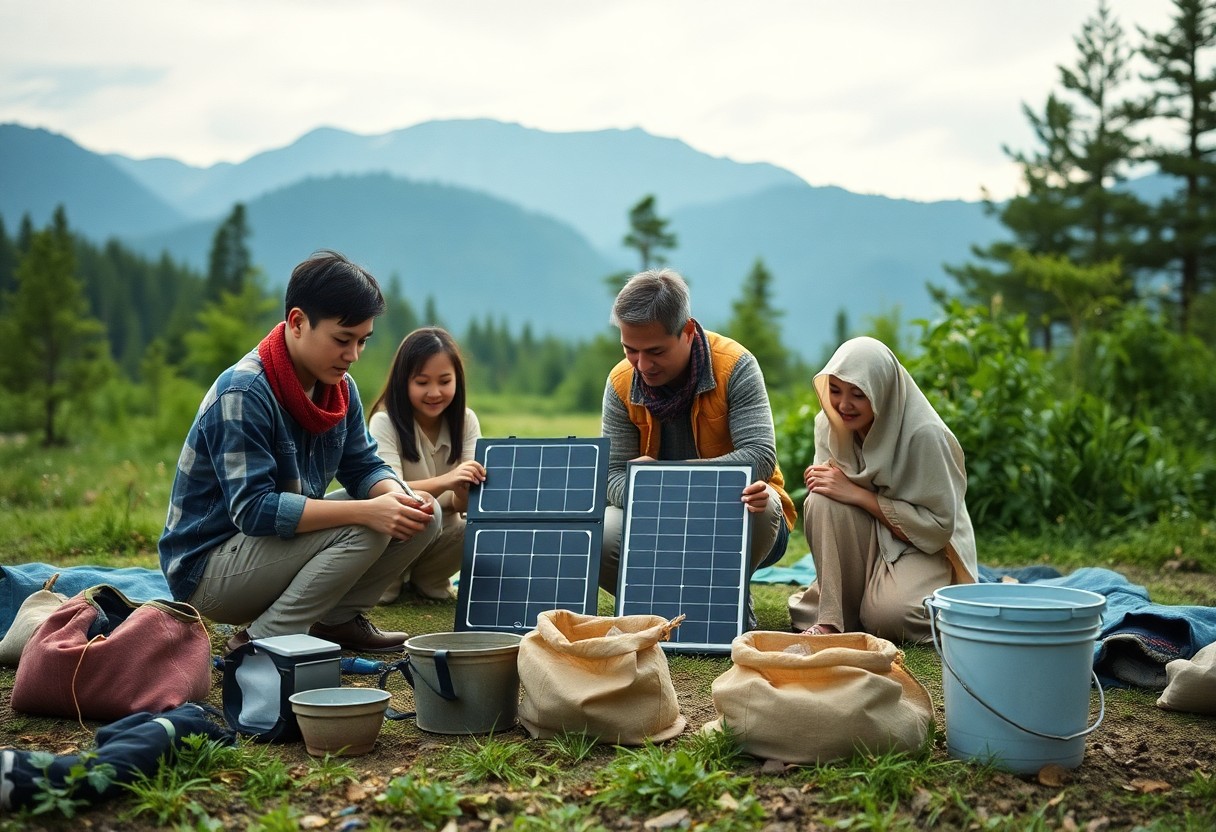
You can transform your family travels into a memorable experience by incorporating little-known eco practices that promote sustainability and joy. Rather than sacrificing comfort and adventure, these simple strategies allow you to connect with nature, support local communities, and create lasting memories with your loved ones. Discover how small changes in your travel habits can yield significant benefits for both the environment and your family, making each trip a positive contribution to our planet and an enriching opportunity for bonding and discovery.

Key Takeaways:
- Choose eco-friendly accommodations that prioritize sustainability, such as those using renewable energy and minimizing waste.
- Engage in local volunteer opportunities as a family to support the community and enhance the travel experience.
- Opt for slower modes of transport, like biking or walking, to explore destinations, allowing for greater connection with the environment.
- Plan meals around local, seasonal produce to reduce carbon footprints and support local farmers.
- Incorporate nature-centered activities, such as hiking or wildlife watching, to foster appreciation for the environment in children.
Embracing Local Cultures
By immersing yourself in the local culture, you’ll create authentic travel experiences that go beyond the typical tourist attractions. Seek out opportunities to learn about traditions through cooking classes, craft workshops, or cultural festivals. Engaging with locals can provide insights into their lifestyle and values, enriching your travel experience while fostering respect and understanding between cultures. Approaching your travels with an open heart allows you and your family to build meaningful connections and memories that last a lifetime.
Engaging with Community-Based Tourism
Participating in community-based tourism initiatives enables you to connect directly with local families and artisans. This often includes staying with host families or joining guided tours led by residents who share their knowledge and stories about the area. Such experiences not only enrich your understanding of the culture but also ensure that your travel dollars benefit the communities you visit, promoting sustainable practices and preserving their heritage.
Supporting Local Economies
Choosing to support local businesses over international chains is a significant step towards sustainable travel. Dining at family-owned restaurants, shopping at local markets, and hiring local guides helps reinvest tourism revenue into the community. For instance, when you purchase handmade crafts, a larger portion of the money stays within the community, allowing artisans to continue their craftsmanship. Travel surveys indicate that 60% of tourists prefer to engage with local businesses, underscoring the demand for authentic experiences that also boost economic resilience in host communities.
Eco-Friendly Accommodations
Choosing eco-friendly accommodations not only supports sustainable tourism but also enhances your family travel experience. Look for lodgings that incorporate green practices such as solar energy, water conservation systems, and local sourcing for food. This commitment to sustainability often leads to unique experiences that reflect the local culture, creating lasting memories for you and your family beyond mere sightseeing.
Choosing Sustainable Lodging Options
When choosing your stay, prioritize hotels or rental properties that promote sustainability. Options like eco-lodges, glamping sites, or even homes certified by platforms dedicated to responsible tourism can provide a more environmentally friendly alternative. By opting for sustainable lodging, you engage with responsible tourism practices and help preserve the destinations you visit.
Eco-Labels and Certifications to Consider
Familiarizing yourself with eco-labels can simplify your search for sustainable accommodations. Look for certifications like Green Key, LEED, or EarthCheck, which recognize establishments committed to environmental responsibility. Each label typically corresponds to specific sustainable practices that the accommodation adheres to, giving you assurance that your stay aligns with your values.
Eco-labels and certifications play an important role in identifying properties that provide genuine sustainability practices. For instance, a Green Key certified hotel follows stringent criteria regarding energy use, water conservation, and waste management. LEED, backed by the U.S. Green Building Council, rates buildings based on their sustainability design. Additionally, organizations like Rainforest Alliance focus on preserving biodiversity while boosting local economies. By choosing accommodations with these certifications, you ensure that your travel not only minimizes your carbon footprint but also supports local communities committed to eco-friendly practices.
Sustainable Transportation
Utilizing sustainable transportation methods enriches your family travel experiences while minimizing your environmental impact. Opt for walking, biking, or using public transport whenever possible to explore local areas. Each step you take or pedal you push not only connects you more deeply with your surroundings but also reduces carbon emissions, often allowing you to discover hidden gems beyond the typical tourist spots.
Green Travel Methods for Families
When traveling with your family, consider eco-friendly alternatives like rail journeys, carpooling, or renting electric vehicles. Biking is a wonderful way to enjoy scenic views while keeping active, and many cities offer bike-sharing programs. Additionally, choose local transport options that use sustainable practices, such as hybrid buses or electric taxis, to make your trips more planet-friendly.
The Importance of Offsetting Carbon Footprints
Offsetting your family’s carbon footprint while traveling helps to counterbalance the emissions generated during your trip. You can achieve this through carbon offset programs, which invest in environmental projects like reforestation or clean energy initiatives. By supporting these efforts, your family contributes positively to the planet, creating a legacy of sustainability for future generations.
Engaging in carbon offsetting not only addresses the environmental impact of your travels but also enhances your family’s awareness of sustainability. For example, leading carbon offset programs allow you to calculate the emissions from your travel activities and invest in projects designed to mitigate those effects. This could mean contributing to planting thousands of trees or funding renewable energy projects that lower global reliance on fossil fuels. By taking this proactive approach, you encourage your family to be mindful of their ecological footprint while traveling, fostering a deeper respect for the planet.
Mindful Eating Practices
Mindful eating practices during family travel can transform your culinary experiences while reducing your environmental footprint. By embracing eco-friendly dining habits, you not only enjoy fresher meals but also contribute to the local economy and reduce waste. Incorporating these practices into your adventures ensures a more sustainable and enjoyable journey for everyone in your family.
Sourcing Locally Grown Food
Opting for locally grown food connects you to the culture of the places you visit while supporting regional farmers. Seek out farmers’ markets, local eateries, or even farm-to-table restaurants to experience authentic flavors. Not only does this practice reduce transportation emissions associated with food distribution, but it also enhances your family meals with seasonal ingredients that reflect the locality.
Reducing Food Waste While Traveling
Reducing food waste while traveling is vital for cultivating a sustainable travel experience. Planning meals, sharing dishes, and utilizing leftovers can significantly minimize the amount of food thrown away. You can also bring reusable containers for takeout and snacks, ensuring nothing goes to waste. Additionally, some hotels and restaurants may allow you to donate excess food, further extending its use.
To effectively reduce food waste, engage your family in meal planning before each outing. Consider making a list of potential restaurants before leaving your accommodation, focusing on places that emphasize their commitment to sustainability. Assess portion sizes to avoid over-ordering, and take note of what you eat each day to help with future planning. By being mindful of your consumption and making conscious choices, you not only contribute to sustainability but also teach your family valuable lessons about resourcefulness and respect for food.
Nature-Based Activities
Engaging with nature is a wonderful way to make family travel sustainable and enjoyable. Activities like hiking, birdwatching, or kayaking not only immerse you in beautiful landscapes but also foster a sense of ecological awareness. For a deeper investigate family-friendly eco-practices, check out Top 8 Great Ideas For Eco-Traveling With Kids. These experiences create lasting memories while teaching your children the importance of preserving our environment.
Exploring National Parks and Conservation Areas
National parks and conservation areas offer unparalleled opportunities to connect with nature. You can hike through diverse ecosystems, spot wildlife, and learn about local conservation efforts. Engaging in park programs often highlights the importance of sustainability while allowing your family to explore the beauty of these protected lands together.
Participating in Eco-Tours and Volunteer Opportunities
Joining eco-tours or volunteer opportunities can transform your family travel experience into a learning adventure. Guided eco-tours often include insights on local conservation practices, making the trip both educational and enjoyable. Volunteer roles, from beach cleanups to wildlife monitoring, allow you to contribute to the preservation of the environment while making unforgettable memories as a family.
Participating in eco-tours and volunteer projects can deepen your connection with the places you visit. Whether planting trees, adopting marine habitats, or assisting in wildlife rehabilitation, these hands-on experiences instill a sense of responsibility and respect for nature. Many organizations offer family-friendly programs where everyone can contribute, ensuring that your travel adventures not only spark joy but also help protect the planet for future generations.

Educational Opportunities for Children
Integrating educational experiences during family travel enriches your child’s understanding of the world and promotes lifelong learning. Visiting historical sites, museums, and cultural centers provides insights into different lifestyles and encourages curiosity. Utilize local workshops, nature trails, or eco-tours to foster a deeper appreciation for biodiversity, history, and sustainable practices. Such immersive experiences not only create lasting memories but also shape your child’s worldview.
Learning Through Travel
Engaging your kids in activities like eco-friendly farming, wildlife conservation, or cultural festivals opens their eyes to diverse perspectives. They can learn about local ecosystems while participating in hands-on experiences, such as planting trees or helping at community gardens. These opportunities transform travel into a dynamic classroom, where real-life application reinforces their knowledge.
Encouraging Environmental Stewardship
Involving your children in sustainable practices while traveling cultivates a sense of responsibility for the environment. Programs focused on conservation, such as beach clean-ups or wildlife rescue initiatives, empower them to make a difference. When kids actively participate in these activities, they begin to understand the impact of human actions on ecosystems, fostering a lifelong commitment to environmental stewardship.
Environmental stewardship goes beyond mere awareness; it transforms your children into mindful global citizens. For example, participating in a local conservation project can make facts about endangered species personal, turning abstract concepts into tangible actions. Children who are involved in sustainability efforts often lead by example, inspiring those around them to adopt eco-friendly habits. These experiences strengthen their connection to nature and create a sense of pride in their contributions, instilling values that will shape their choices for years to come.
To wrap up
Taking this into account, adopting little-known eco practices such as choosing eco-friendly accommodations, engaging in local conservation efforts, and utilizing sustainable transportation options can enhance both your travel experience and its environmental impact. These practices not only reduce your carbon footprint but also immerse you in authentic local cultures, creating joyous memories for you and your family. By integrating these strategies into your travel plans, you contribute to a healthier planet while enjoying enriching, meaningful adventures together.
FAQ
Q: What are some little-known eco practices for sustainable family travel?
A: Use reusable containers for snacks and meals, choose eco-friendly accommodations, travel by train or bus when possible, engage in local conservation projects, and opt for guided tours that focus on sustainability.
Q: How can eco-friendly accommodations enhance family travel joy?
A: Eco-friendly accommodations often provide unique experiences, such as interacting with nature, supporting local communities, and offering educational programs about sustainability, creating memorable family bonding moments.
Q: What role do local foods play in sustainable family travel?
A: Eating local foods reduces carbon footprints, supports local economies, and introduces families to regional cultures, which enhances enjoyment through new tastes and culinary experiences.
Q: How can families involve kids in eco-friendly practices while traveling?
A: Involve kids by encouraging them to participate in eco-activities like beach cleanups, nature hikes, or wildlife watching, making them feel like active contributors to environmental conservation.
Q: What are the benefits of traveling during off-peak seasons for sustainability?
A: Traveling during off-peak seasons typically means fewer crowds, lower carbon footprints, more affordable rates, and a greater opportunity to connect with local communities and cultures in a meaningful way.