
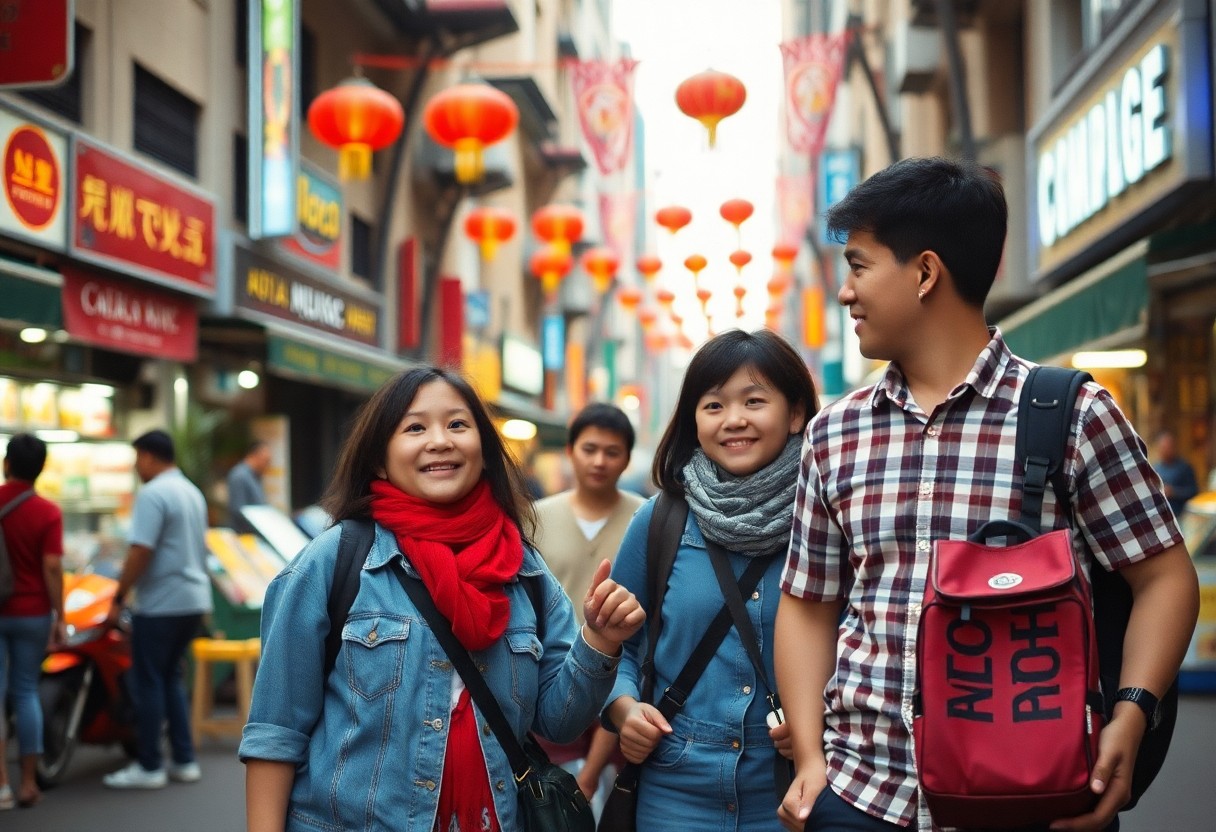
You may be wondering why more parents are opting for second-tier cities instead of traditional tourist hotspots for family vacations. These emerging destinations offer a blend of affordability, less crowded attractions, and family-friendly environments that appeal to those seeking a more relaxed travel experience. As families prioritize safety, convenience, and unique opportunities for exploration, second-tier cities are becoming attractive alternatives that provide enriching experiences without the chaos often found in major tourist destinations.
Key Takeaways:
- Affordability: Second-tier cities offer lower living costs compared to major tourist hotspots.
- Family-Friendly Amenities: These cities often have more space, parks, and community resources suitable for families.
- Less Crowding: Parents prefer the tranquility and reduced congestion found in less tourist-heavy areas.
- Local Culture: Second-tier cities provide rich local experiences and cultural offerings without the tourist commercialization.
- Accessibility: Increased accessibility due to improved infrastructure and transportation options attracts families to these areas.
The Appeal of Second-Tier Cities
Second-tier cities are gaining popularity among families seeking a balanced lifestyle that combines affordability, accessibility, and community. In these cities, you’ll find vibrant cultures, diverse activities, and strong local economies that rival those of bustling metropolitan areas. With an increasing number of remote work opportunities, more parents are opting for these locations to raise their children in environments that foster growth and are enriched with various amenities.
Cost of Living Advantages
Affordability is a primary driver in the shift toward second-tier cities. In many cases, you can find housing costs, which are often 30-50% lower than in top-tier cities, allowing you to invest more in your family’s future. Not only do you save on rent or mortgage payments, but the overall expense of living, from groceries to services, tends to be more manageable, giving you greater financial freedom.
Quality of Life Considerations
In second-tier cities, quality of life benefits significantly surpass those of tourist-heavy destinations. These areas prioritize family-friendly environments, often featuring highly-rated schools, lower crime rates, and ample recreational spaces. You’ll experience shorter commutes, less congestion, and a stronger sense of community, enhancing your family’s overall well-being.
Quality of life in second-tier cities often reflects a deeper connection to community and family values. Many of these cities offer access to nature, parks, and outdoor activities, encouraging healthy lifestyles for you and your children. Schools in these areas frequently boast smaller class sizes, allowing for personalized attention, while local events foster engagement and social ties. All of this contributes to a nurturing environment that promotes balanced living, making second-tier cities an attractive choice for parents.
Family-Friendly Amenities
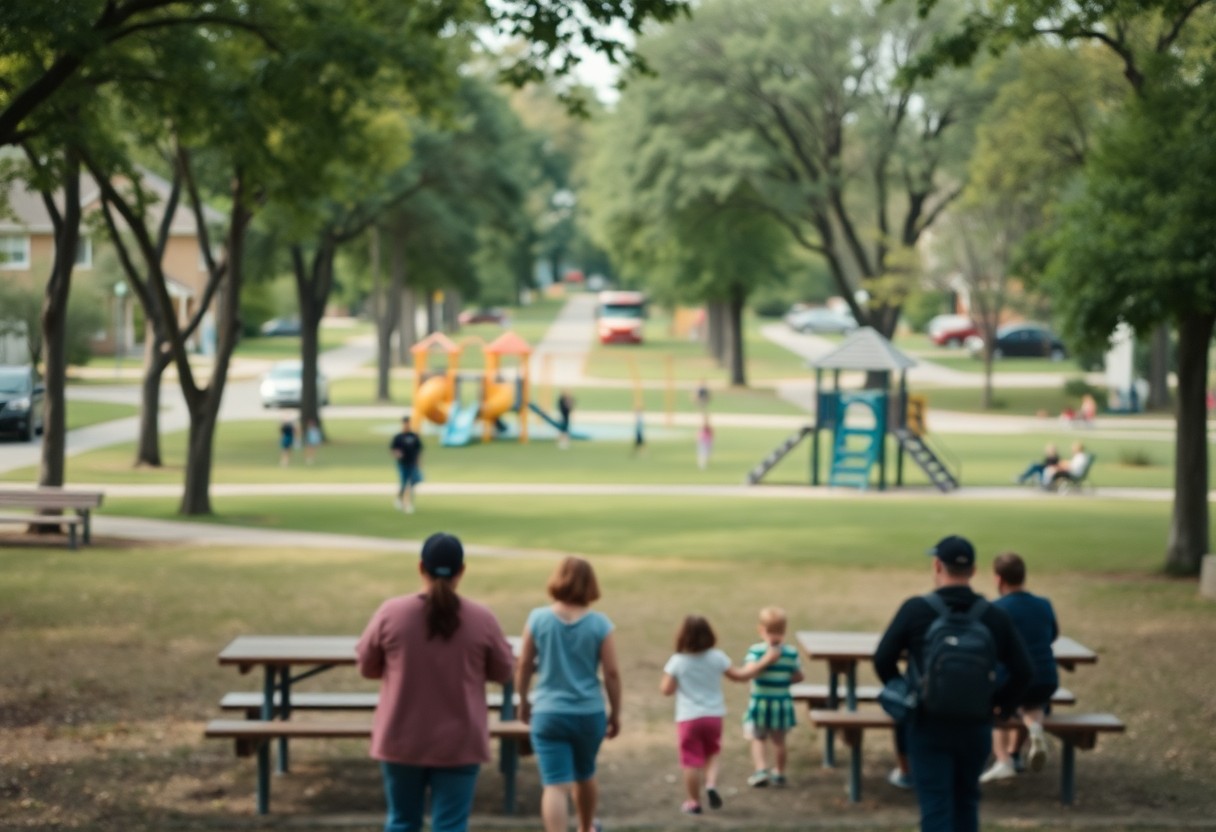
Second-tier cities are increasingly equipped with family-friendly amenities that cater to parents and children alike. You find parks, playgrounds, and community centers designed to foster social interactions and support active lifestyles. Local shops often prioritize family needs, offering convenient options for childcare and youth programs, creating a welcoming environment for your family.
Educational Opportunities
Access to quality education is a key factor in your decision-making process. Many second-tier cities boast well-rated public schools and diverse educational options such as charter schools and Montessori programs. These institutions often have smaller class sizes, allowing for more individualized attention, ensuring your child receives a strong foundation for future academic success.
Recreational Facilities
Recreational facilities in second-tier cities provide a variety of options for your family to engage in physical activities. You can find modern sports complexes, swimming pools, and hiking trails that promote a healthy lifestyle. Many cities have invested in outdoor leisure spaces, ensuring there’s something for everyone, from organized sports to casual family outings.
Investments in recreational facilities have made second-tier cities attractive for families. For example, the addition of green spaces like city parks encourages outdoor play, while multipurpose sports fields provide venues for community events and youth leagues. In cities like Chattanooga, TN, a surge in biking and walking trails not only enhances physical wellness but also strengthens neighborhoods by encouraging families to spend time outdoors, fostering community connections.
Safety and Community
Choosing a second-tier city often means prioritizing safety and a strong sense of community. These locations frequently boast lower crime rates and are perceived to be more family-friendly, making them ideal for raising children. Families feel more secure, allowing children to explore their neighborhoods safely while fostering connections with neighbors who share similar values and lifestyles.
Lower Crime Rates
Lower crime rates are a defining feature of many second-tier cities. For example, cities like Boise, Idaho, and Grand Rapids, Michigan, consistently report crime rates significantly below the national average. This enhances your peace of mind, knowing that your family can enjoy outdoor activities and community events without the worry of urban crime that often plagues major tourist hotspots.
Sense of Belonging
A strong sense of belonging is easier to achieve in second-tier cities, where communities are often tight-knit and welcoming. Events like farmers’ markets, neighborhood festivals, and local sports leagues contribute to connections among residents. This fosters an environment where you can build lasting relationships with your neighbors, allowing your family to thrive in a supportive ecosystem.
The sense of belonging in a second-tier city can significantly enhance your family’s overall well-being. In these areas, the pace of life is typically slower, providing ample opportunities for interaction and socialization. You’ll likely find groups focused on community improvement, arts, and recreation, making it easier to engage with like-minded individuals. Even participating in school events or local student organizations can strengthen these bonds, making you feel rooted in your new home.
Economic Opportunities
Choosing second-tier cities often means tapping into burgeoning economic opportunities that can significantly improve your family’s financial stability. These cities typically have lower living costs and a growing job market, which can lead to better quality of life and less financial strain. Many are becoming economic hubs, attracting companies and industries seeking to capitalize on lower operating costs and a focused workforce.
Job Market Trends
The job market in second-tier cities is evolving, with many industries expanding or relocating to these areas. For instance, sectors like technology, healthcare, and finance are experiencing a surge in demand as companies seek talent outside of saturated major cities. This shift provides you with a wider array of employment opportunities, often with less competition than in tourist hotspots.
Entrepreneurship in Emerging Areas
Emerging areas in second-tier cities are becoming breeding grounds for entrepreneurs. With lower overhead costs and supportive local governments, starting a business is increasingly accessible. For you, this means greater opportunities for innovation and the chance to engage in a thriving community of like-minded individuals.
In cities like Boise or Des Moines, local resources such as incubators, co-working spaces, and networking events are on the rise, fostering a supportive ecosystem for entrepreneurs. These environments not only enable you to develop your business idea with minimal investment, but they also encourage collaboration and mentorship. As more online platforms emerge to connect local entrepreneurs, your ability to tap into regional markets expands, making it feasible to compete with larger businesses while benefiting from the unique community vibe that these cities provide.
Trends in Remote Work
The rise of remote work continues to reshape where families choose to live, as more parents realize that job location is no longer a constraint. Many companies are offering permanent remote positions, allowing families to relocate to areas that offer a better quality of life without sacrificing career goals. This shift not only opens up a wider pool of opportunities but also encourages families to explore regions previously deemed impractical due to proximity to corporate offices.
Flexibility in Location
Your ability to work from anywhere provides unparalleled flexibility, enabling you to choose a city that suits your family’s lifestyle preferences and needs. Whether it’s a quiet suburban area with excellent schools or a vibrant city with cultural amenities, the options are limitless. This newfound freedom lets you prioritize community engagement and individual well-being over traditional commuter constraints.
Impact on Family Dynamics
Relocating to a second-tier city allows for stronger family connections and improved work-life balance. As you settle into a more spacious environment, relationships with your partner and children often deepen. This relocation can facilitate more family time, outdoor activities, and community involvement, contributing to overall happiness and satisfaction for your family unit.
This shift in living arrangements not only enhances your family dynamic but also fosters a sense of community. In second-tier cities, you may find it easier to forge relationships with neighbors and join local groups, creating rich support networks. The slower pace of life can encourage more frequent family gatherings, activities, and shared experiences, promoting a nurturing environment where family members can thrive both personally and collectively.
Comparison with Tourist Hotspots
| Aspect | Second-Tier Cities |
|---|---|
| Cost of Living | Typically lower, allowing for better value in housing and amenities. |
| Crowding | Less crowded, offering a more relaxed environment. |
| Authenticity | Greater opportunities to engage with local culture and community. |
| Tourist Overload | Fewer tourists, enhancing the local experience. |
Overcrowding and Stress
Overcrowding in tourist hotspots generates stress for families trying to navigate crowded streets and packed attractions. The constant hustle can detract from the quality of family time, making it hard to fully enjoy your experiences. In contrast, second-tier cities provide more space and a calmer atmosphere, allowing you to connect with your surroundings without the pressure of throngs of visitors.
Authentic Experiences
Second-tier cities often offer unique, authentic experiences that you might miss in tourist hotspots. You can explore local markets, attend community events, and find unique culinary delights, all while engaging with residents who share their culture with pride. These genuine interactions deepen your understanding of the area and create lasting memories.
Engaging with the local community is one of the most enriching aspects of visiting second-tier cities. Picture yourself strolling through a quaint farmers’ market where you can sample regional delicacies and chat with passionate local vendors. You might find yourself participating in neighborhood festivals that showcase traditional music and dance, allowing you to appreciate the area’s heritage fully. Such immersive experiences not only offer insights into a community’s way of life but also foster a sense of connection that is often lacking in overcrowded tourist zones.
Conclusion
Considering all points, more parents are opting for ‘second-tier’ cities over tourist hotspots due to the enhanced quality of life, affordability, and family-friendly environments these locations offer. In these cities, you can enjoy a slower pace, lower costs associated with housing and activities, and access to good schools and parks. The appeal lies in providing your family a balanced lifestyle without the crowds and chaos of tourist destinations, allowing for enriching experiences rooted in community engagement rather than mere tourism.
FAQ
Q: Why are parents opting for second-tier cities instead of popular tourist destinations?
A: Parents are choosing second-tier cities due to lower costs of living, less crowded environments, and safer neighborhoods, providing a better quality of life for their families.
Q: What are some benefits of visiting second-tier cities?
A: Benefits include more authentic cultural experiences, fewer tourists, and the opportunity to explore local cuisine and attractions without long wait times.
Q: How do second-tier cities cater to families?
A: Many second-tier cities offer family-friendly attractions, parks, educational institutions, and community events that create a supportive environment for raising children.
Q: Are second-tier cities equipped for tourists?
A: Yes, second-tier cities often have well-developed tourist infrastructure including hotels, restaurants, and transportation services, making them accessible and enjoyable for visitors.
Q: What should parents consider when choosing a second-tier city for a vacation?
A: Parents should evaluate factors such as safety, available amenities for children, the variety of activities, and the overall affordability of accommodations and attractions.



3 thoughts on “Why More Parents Are Choosing 'Second-Tier' Cities Over Tourist Hotspots”
Comments are closed.