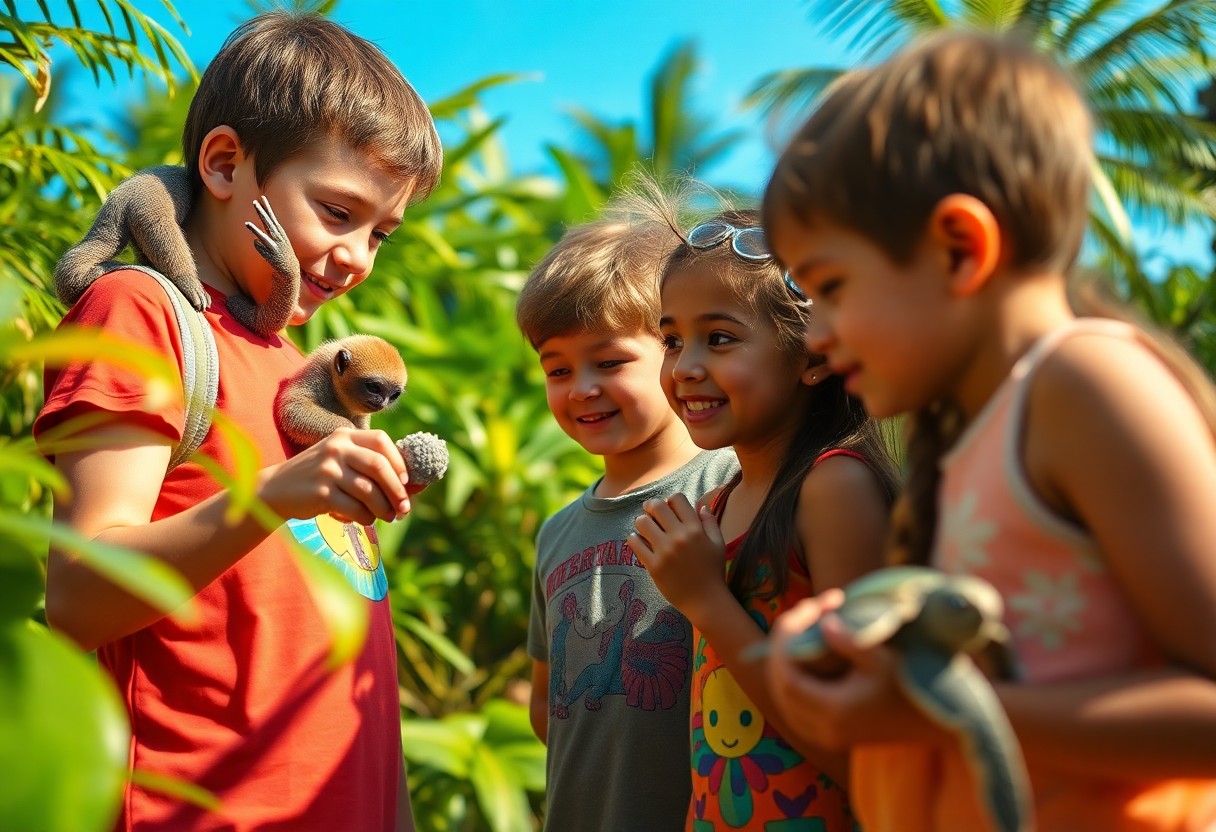
You can inspire your children’s love for wildlife while teaching them the importance of conservation by visiting destinations that offer ethical interactions with endangered species. These carefully selected locations prioritize animal welfare and environmental education, ensuring that your family can enjoy unique experiences while supporting sustainable practices. From wildlife sanctuaries to eco-reserves, this list highlights ten destinations where your kids can safely and responsibly connect with nature’s most vulnerable creatures.
Key Takeaways:
- Destinations prioritize animal welfare and conservation efforts.
- Programs are designed to educate children on endangered species and their habitats.
- Experiences often involve guided interactions with trained professionals.
- Facilities usually contribute to local wildlife conservation projects.
- Engagement activities emphasize sustainable practices and responsible tourism.
Galapagos Islands
The Galapagos Islands offer a unique opportunity for your kids to ethically engage with endangered species in their natural habitat. With its diverse wildlife and strict conservation efforts, this UNESCO World Heritage site provides an unforgettable experience where you can teach your children about biodiversity and the importance of protecting these fragile ecosystems. Engaging with the local environment promotes awareness and stewardship in future generations.
Natural Habitat Tours
On natural habitat tours in the Galapagos, your family can observe wildlife in its pristine setting. Guided excursions ensure that interactions are respectful and non-intrusive, allowing your kids to learn about species like sea lions, blue-footed boobies, and giant tortoises in their natural surroundings. These immersive experiences foster a deeper appreciation for nature while supporting conservation efforts.
Tortoise Conservation Programs
Participating in tortoise conservation programs gives your family the chance to contribute directly to the protection of these iconic animals. Your kids can learn about the various threats faced by tortoises, such as habitat loss and invasive species, while getting involved in hands-on activities that aid their breeding and rehabilitation.
By joining tortoise conservation programs, you engage your children in meaningful learning experiences that highlight the importance of environmental stewardship. These initiatives often include hands-on tasks like assisting in breeding efforts or even helping to monitor tortoise populations. Your involvement not only contributes to the survival of these endangered animals but also instills values of responsibility and compassion in your kids, making them future advocates for wildlife conservation.
Rwanda
In Rwanda, you can experience the unique opportunity to ethically interact with some of the world’s most endangered species. The lush landscapes are home to the legendary mountain gorillas, making it a prime destination for wildlife enthusiasts. Engaging with these magnificent creatures not only provides unforgettable memories but also supports vital conservation efforts that aim to protect their habitats and ensure their survival for future generations.
Gorilla Trekking Experiences
Gorilla trekking in Rwanda offers you an intimate encounter with these incredible animals. Guided by trained rangers, you will hike through breathtaking landscapes to observe gorilla families in their natural habitat. This experience allows you to connect with nature while supporting conservation initiatives and local communities dedicated to protecting these gentle giants.
Community-led Conservation Efforts
In Rwanda, local communities play an integral role in wildlife conservation. You will discover initiatives where residents engage in protecting gorilla habitats and promoting eco-tourism as a sustainable livelihood. By participating in these programs, you directly contribute to the preservation of biodiversity and support the families that coexist with these endangered species.
Community-led conservation efforts in Rwanda empower locals through education, sustainable practices, and alternative livelihood opportunities. By involving communities in both the stewardship of wildlife and the benefits derived from eco-tourism, you foster a sense of ownership and responsibility. This collaborative approach not only enhances conservation outcomes but also improves the quality of life for the local population, creating a harmonious balance between humans and wildlife.
Borneo
Borneo is a vibrant ecosystem where you can witness incredible biodiversity, including some of the world’s most endangered species. A visit to Borneo allows you to engage ethically with wildlife while supporting conservation efforts. The island is home to unique experiences that balance adventure with responsible tourism, making it an ideal destination for families eager to learn about and contribute to wildlife preservation.
Orangutan Rehabilitation Projects
In Borneo, you can participate in orangutan rehabilitation projects that help these remarkable creatures return to their natural habitats. By visiting sanctuaries like the Sepilok Orangutan Rehabilitation Centre, you gain insight into the rescue and recovery processes while contributing to their continued conservation. Your support helps provide vital resources for both orangutans and their habitat.
Eco-friendly Jungle Tours
Eco-friendly jungle tours in Borneo offer you a unique opportunity to explore the rainforest while minimizing your environmental impact. These guided tours focus on sustainability and educate you about the local flora and fauna. By choosing eco-conscious operators, you ensure that your adventure supports the preservation of Borneo’s rich biodiversity.
During eco-friendly jungle tours, you can expect to see a variety of wildlife, such as proboscis monkeys, pygmy elephants, and various bird species, all while learning from knowledgeable guides. These tours often include activities like canopy walks, river excursions, and visits to indigenous communities, providing you with a holistic understanding of the rainforest ecosystem. Engaging with nature in an ethical manner enhances your adventure and strengthens your connection to Borneo’s conservation efforts.
South Africa
In South Africa, you can explore extraordinary opportunities to ethically interact with endangered species while immersing yourself in stunning landscapes. This vibrant country boasts diverse ecosystems and a commitment to wildlife conservation, providing you and your family with unforgettable experiences while supporting vital efforts to protect endangered species.
Big Five Safaris
Embarking on a Big Five safari allows you to witness Africa’s iconic wildlife up close. As you traverse Kruger National Park or other reserves, you can observe elephants, lions, rhinos, leopards, and buffalo in their natural habitats, fostering a deep appreciation for these magnificent animals and their conservation needs.
Wildlife Rehabilitation Centers
Visiting wildlife rehabilitation centers offers you a unique opportunity to learn about the challenges endangered species face and how dedicated professionals work to save them. These facilities provide hands-on experiences, educating you about rehabilitation, care, and the importance of conservation efforts in protecting vulnerable wildlife.
Wildlife rehabilitation centers in South Africa play an crucial role in recovering injured and orphaned animals, striving to release them back into their natural homes whenever possible. You will have the chance to meet dedicated staff and volunteers who assess, treat, and care for these animals. Participating in educational programs allows your family to grasp the complexities of wildlife conservation and the significance of maintaining biodiversity in our world.
Madagascar
Madagascar, a biodiversity hotspot, offers you the unique opportunity to engage with its remarkable wildlife, particularly its many endangered species. You can explore its lush landscapes, characterized by dense rainforests and striking geological features, while contributing to conservation efforts that protect the island’s unique ecosystem and the species that inhabit it.
Lemur Watching Tours
You can partake in exhilarating lemur watching tours, where guides will lead you through the lemurs’ natural habitats. These tours allow you to observe various species of lemurs in the wild, ensuring that your viewing experience is both enriching and supportive of their habitat preservation.
Reforestation Initiatives
Participating in reforestation initiatives in Madagascar enables you to actively contribute to the recovery of endemic species and their habitats. By supporting these programs, you help restore the unique landscapes that many endangered animals depend on for survival.
The reforestation initiatives in Madagascar focus on planting native trees to restore deforested areas and create sustainable ecosystems. You can join local organizations working on these projects, gaining firsthand experience in conservation while aiding in the recovery of vital habitats. Collaboration with local communities ensures that these efforts are both effective and beneficial, helping to secure a future for Madagascar’s endangered species. Your involvement not only supports wildlife but also fosters eco-tourism that benefits the local economy and promotes environmental awareness.
Costa Rica
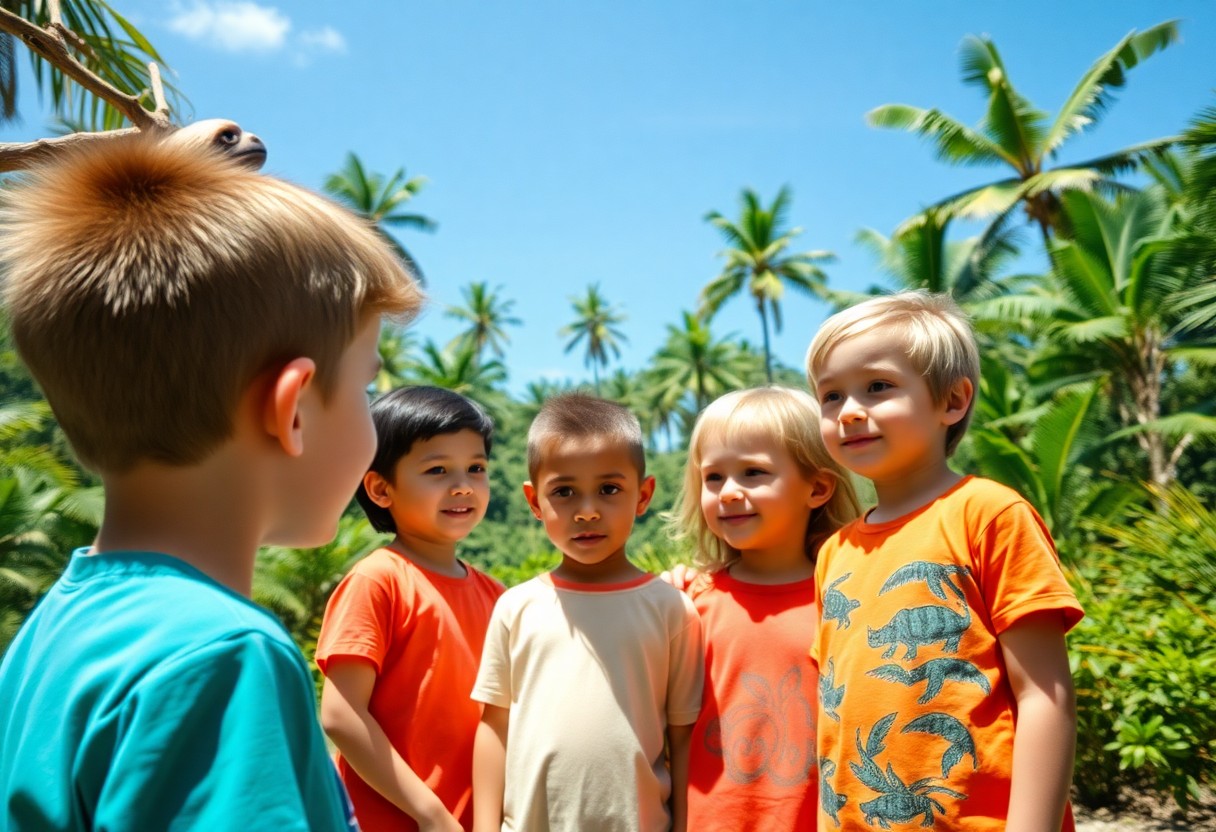
Costa Rica is a paradise for wildlife enthusiasts, offering immersive experiences that prioritize ethical interactions with endangered species. You can explore lush rainforests and pristine beaches while learning about the importance of biodiversity. Various conservation programs allow kids to engage with unique wildlife in a responsible manner, making it an unforgettable destination for eco-conscious families.
Sloth Rescue Centers
At sloth rescue centers in Costa Rica, you have the opportunity to observe these adorable creatures up close while supporting their rehabilitation. You can learn about their natural habitat and the challenges they face due to habitat loss and human activity. By visiting, you contribute to their conservation efforts and encourage sustainable practices.
Sea Turtle Conservation
By participating in sea turtle conservation initiatives, you can witness the incredible journey of these marine reptiles. You’ll have the chance to learn about their nesting habits and the threats they encounter, such as poaching and pollution. Engaging in these programs enhances your understanding of marine ecosystems while supporting vital conservation work.
During sea turtle conservation programs, you may assist with beach clean-ups and hatchery monitoring, which are vital for protecting turtle nests. Your involvement not only helps ensure that hatchlings reach the ocean safely but also fosters a deeper appreciation for marine wildlife. You’ll gain insight into the protocols in place for protecting these endangered species and the local communities’ efforts toward sustainable tourism, making a meaningful impact on their future.
Kenya
In Kenya, you have the unique opportunity to engage with endangered species in a responsible manner. The country’s commitment to conservation is evident through its wildlife reserves and sanctuaries, where educational tours promote awareness and protect biodiversity. Interacting with these animals in their natural habitat allows your children to learn about their importance while supporting ethical tourism efforts.
Maasai Mara Safaris
During Maasai Mara safaris, you can observe endangered species like the African wild dog and cheetah in their natural environment. Guided by knowledgeable rangers, your family will gain insights into wildlife behavior and conservation efforts. This immersive experience fosters a deep appreciation for these magnificent creatures, while also supporting local conservation initiatives.
Rhino Sanctuary Visits
Visiting a rhino sanctuary provides a chance to learn about and see these magnificent creatures up close. Your family can participate in guided tours that focus on the importance of rhino conservation efforts. This educational experience not only highlights the challenges these animals face but also emphasizes the role of community involvement in their protection.
At rhino sanctuaries, you can witness conservation in action, observing rhinos being cared for and rehabilitated. You may even have the chance to meet dedicated staff who share their experiences and the ongoing challenges of protecting these endangered animals from poaching and habitat loss. This visit will deepen your understanding of wildlife conservation, empowering your kids to become advocates for these species in the future.
Australia
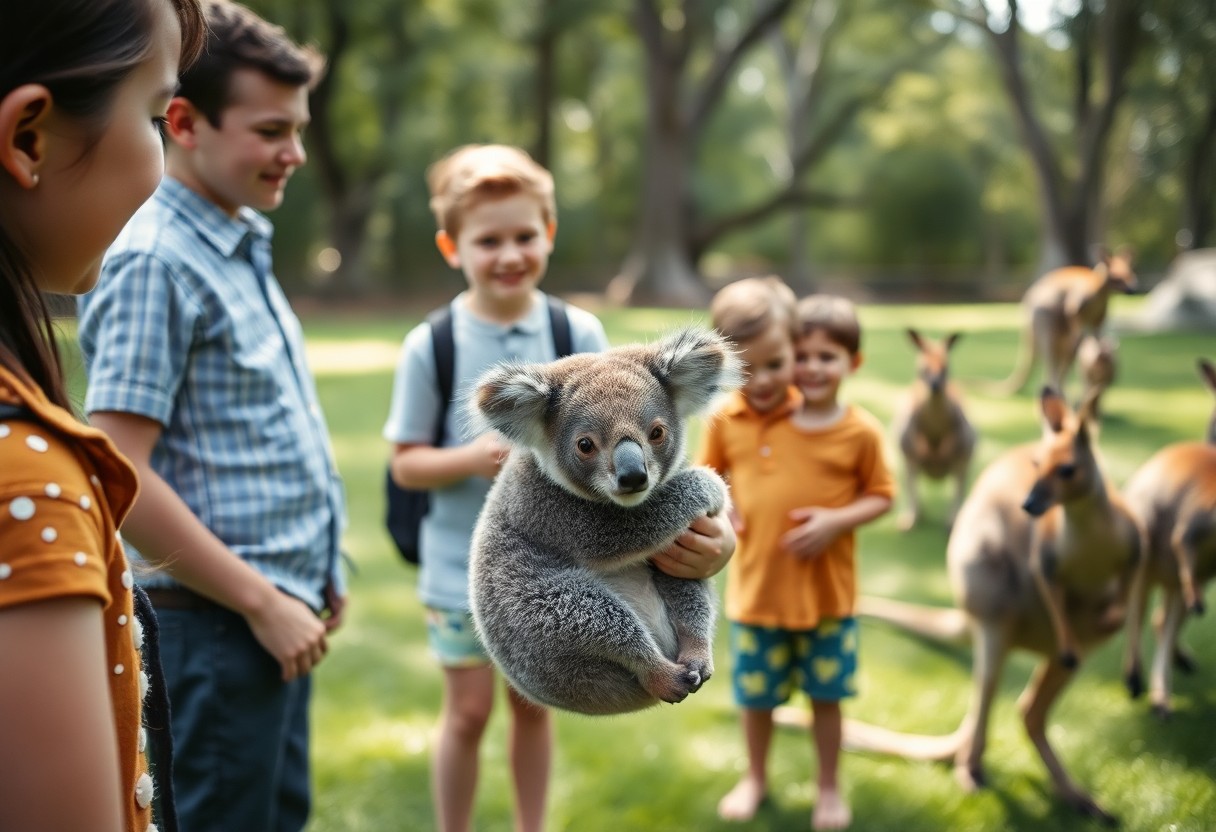
Australia offers unique opportunities for children to ethically interact with endangered species while fostering a love for wildlife conservation. From koalas to kangaroos, the diverse fauna invites young adventurers to engage in educational experiences that highlight the importance of protecting these animals and their habitats. You can visit conservation parks that focus on rehabilitation and education, ensuring that your family’s interaction with wildlife is responsible and beneficial for the animals involved.
Koala Rehabilitation Programs
In Australia, you can participate in koala rehabilitation programs where your family can learn about the care and rehabilitation of these iconic creatures. These programs often allow you to meet koalas, observe their behaviors in a natural environment, and discover the conservation efforts dedicated to their survival. Engaging with knowledgeable staff, you will gain insights into challenges such as habitat loss and diseases affecting koalas, making your visit both educational and impactful.
Indigenous Wildlife Experiences
Indigenous wildlife experiences in Australia offer you a unique perspective on wildlife conservation through the lens of Aboriginal culture. You will have the chance to learn traditional practices for protecting endangered species while understanding the deep connection Indigenous communities have to their land and animals.
During Indigenous wildlife experiences, you can engage with Aboriginal guides who share their knowledge about the local ecosystems, animal behaviors, and sustainable practices. Through storytelling and hands-on activities, you will gain an appreciation for the importance of biodiversity and the role of Indigenous culture in conservation. This enriching experience not only deepens your understanding of Australia’s unique wildlife but also fosters respect for the traditional custodians of the land, creating a meaningful connection for both you and your children.
Florida
Florida offers unique opportunities for kids to connect with endangered species in an ethical manner. You can engage with conservation efforts while exploring diverse ecosystems like the Everglades, ensuring your family enjoys meaningful experiences that foster an appreciation for wildlife. From manatee rescue activities to guided eco-tours, Florida is an ideal destination for young nature lovers.
Manatee Rescue Activities
Participating in manatee rescue activities allows your family to learn about these gentle giants while contributing to their conservation. You can visit rehabilitation centers where you’ll gain insights into manatees’ natural habits and the challenges they face, raising awareness about the importance of protecting their habitats.
Everglades Eco-Tours
Everglades eco-tours will immerse your family in the unique biodiversity of this UNESCO World Heritage site. You can explore the vast wetlands, spotting endangered species like the Florida panther and American crocodile, while guided tours provide educational experiences that highlight the significance of preserving these vital ecosystems.
During your Everglades eco-tour, you’ll have the chance to canoe or kayak through pristine waterways, observing the area’s rich flora and fauna up close. Knowledgeable guides will lead you on adventures while sharing their expertise on the ecological importance of this delicate habitat. You’ll gain an appreciation for conservation efforts as you witness the interconnectedness of all life in the Everglades firsthand.
Vietnam
Vietnam offers a vibrant landscape where you can explore opportunities for ethical interaction with endangered species. With its diverse ecosystems and rich biodiversity, the country is home to various conservation centers and projects dedicated to protecting endangered wildlife. By visiting these sites, you can engage with nature while supporting initiatives that promote sustainability and conservation efforts.
Endangered Species Centers
You can visit several endangered species centers in Vietnam that focus on rehabilitation and education. These centers provide a safe haven for animals such as the critically endangered red-shanked douc langur and other native species. Engaging with these facilities not only enhances your understanding of wildlife conservation but also allows you to contribute to meaningful efforts to protect these species.
Biodiversity Conservation Projects
Your involvement in biodiversity conservation projects in Vietnam can help protect diverse ecosystems. These projects often involve habitat restoration, community engagement, and education initiatives that teach visitors about sustainable practices. Participating in these activities enables you to witness firsthand the challenges faced by endangered species and the positive impact of conservation efforts.
In Vietnam, biodiversity conservation projects often focus on local communities to promote sustainable practices that benefit both people and wildlife. By taking part in initiatives such as reforestation or workshops on responsible tourism, you contribute to the protection of habitats and species at risk. This collaborative approach empowers communities to take ownership of their natural resources while helping to secure a future for endangered species, making your visit both impactful and rewarding.
Final Words
Conclusively, exploring the top 10 destinations where you can ethically interact with endangered species offers an invaluable opportunity to enrich your understanding of conservation efforts. By choosing these responsible venues, you not only engage your children in memorable experiences but also contribute to the protection of the planet’s most vulnerable wildlife. Each visit reinforces the importance of preservation, ensuring that future generations can cherish these magnificent creatures. Be mindful as you launch on these adventures, making a positive impact on both your family and the environment.
FAQ
Q: What are some ethical ways for kids to interact with endangered species?
A: Ethical interactions include visiting accredited sanctuaries, participating in educational programs, and engaging in responsible eco-tourism that supports conservation efforts.
Q: Which destinations are best for kids to learn about endangered species?
A: Top destinations include the Galápagos Islands, Costa Rica, Madagascar, South Africa, and the Great Barrier Reef, all offering educational programs focused on conservation.
Q: How can wildlife interactions be safe for children?
A: Wildlife interactions can be safe by ensuring that activities are supervised, conducted in controlled environments, and led by experienced guides who prioritize animal welfare.
Q: What should parents look for in ethical wildlife tours?
A: Parents should look for tours certified by reputable conservation organizations, guides who emphasize education about animals, and practices that do not disrupt natural behaviors.
Q: Are there any conservation projects that children can directly support?
A: Yes, children can support conservation projects through fundraising, volunteering with local wildlife organizations, or participating in citizen science programs that monitor endangered species.