You might be wondering when to experience the unique celebrations and vibrant Spain Festivals and Beyond. With Moon Travel Guides by your side, you can investigate the rich tapestry of Spanish culture, exploring everything from traditional fiestas to modern events. This post will provide you with a detailed overview of Spain’s most exciting festivals, helping you plan your visit around these captivating experiences. Get ready to immerse yourself in the lively atmosphere and unforgettable moments that await you in this beautiful country.
It’s vital to explore the vibrant tapestry of Spanish festivals and traditions that unfold throughout the year. Whether you’re planning your trip or simply curious about Spanish culture, this guide will provide you with all the details you need to understand what’s happening when, from lively fiestas to soulful religious celebrations. With insights from Moon Travel Guides, you’ll uncover the best times to immerse yourself in the rich experiences Spain has to offer, ensuring your journey is filled with unforgettable moments.
Key Takeaways:
- Discover a diverse range of vibrant festivals throughout Spain, celebrating everything from cultural heritage to culinary delights.
- The guide provides a month-by-month breakdown of notable events, making it easy to plan visits around specific festivals.
- Incorporates insights into lesser-known regional celebrations, offering a deeper understanding of local traditions.
- Includes practical tips for travelers, such as best times to visit, accommodation options, and festival etiquette.
- Highlights the impact of seasonal changes on festival themes, showcasing how festivities evolve throughout the year.
Spanish festivals and events from the Moon Travel Guides
| Aspect | Details |
|---|---|
| Types of Festivals | Traditional religious celebrations, national iconic festivals, regional/local fiestas, food and cultural fairs. |
| Major National Festivals | – La Tomatina (Buñol, last Wednesday of August): famous tomato-throwing battle. – Running of the Bulls (San Fermín, Pamplona, early July): bull-running and celebrations. |
| Regional Festivals | Unique local festivals in each autonomous community, e.g., – Las Fallas (Valencia): sculptures and pyrotechnics. – Feria de Abril (Seville): flamenco, horse parades. – Feast of St. James (Galicia): religious processions, local foods. – Castells (Catalonia): human towers. – Gernika Festival (Basque Country): cultural exhibitions. |
| Role of Religion and Heritage | Strong Catholic influence, prominently in festivals like Semana Santa (Holy Week) with processions reflecting biblical narratives. |
| Culinary Festivals | Festivals featuring local foods and culinary traditions such as Semana Santa pastries, Feria de Abril tapas, San Sebastián Gastronomika event. Food is a key cultural expression. |
| Economic & Social Impact | Festivals boost tourism and local economies (e.g., +30% tourism), promote community identity, inter-generational bonding, and cultural pride. |
| Modern Adaptations | Festivals evolve by incorporating globalization influences, new music and arts (e.g., Sonar in Barcelona), younger generations’ innovations, and eco-friendly practices. |
| Planning Tips | – Research dates and highlights. – Book accommodations early. – Learn local customs and dress codes. – Prepare for weather and unique activities. – Use public transport or bicycles. – Engage with locals for authentic experience. |
| Lesser-Known Festivals | Examples include San Juan in A Coruña (bonfire jumping), La Patum de Berga (colorful parades and effigies), offering authentic local culture encounters. |
| Moon Travel Guides Role | Provide detailed festival schedules, cultural context, travel tips, hidden gems, and advice on immersive local experiences. |
This table captures the core themes and useful insights about Spanish festivals and how Moon Travel Guides supports travelers in planning and enjoying these cultural events.
Key Takeaways:
- The guide provides a comprehensive overview of major Spanish festivals, including cultural significance and historical context.
- It highlights the best times to visit Spain to experience these festivals, ensuring travelers can plan their trips effectively.
- Details on local customs and traditions associated with each festival offer deeper insights into Spanish culture.
- Moon Travel Guides also suggest nearby attractions and activities to enhance the travel experience beyond the festivals.
- The guide emphasizes the importance of participating in local events for a more immersive experience of Spanish life.
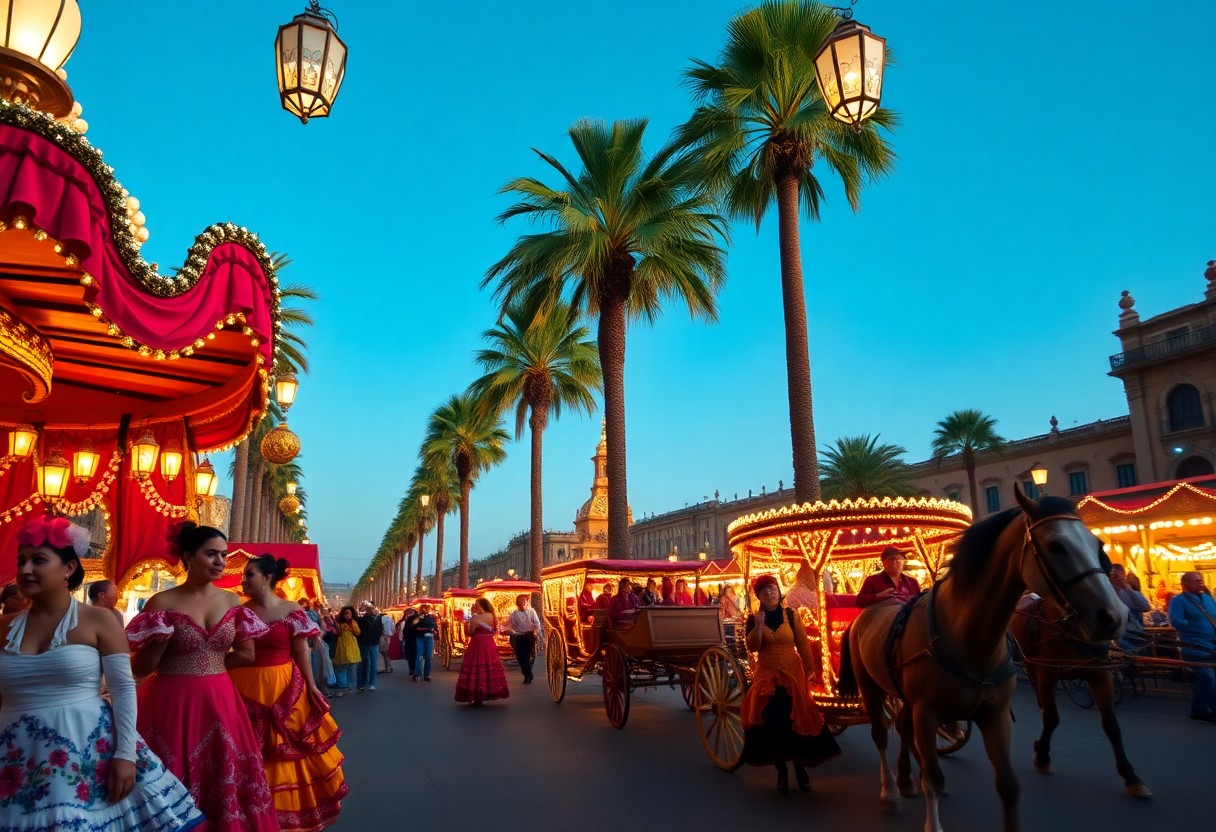
The Vibrant Spectrum of Spanish Festivals
The festivals of Spain are a kaleidoscope of color, music, and tradition, reflecting the diverse cultures and histories of its regions. Each celebration is an opportunity to explore into the customs, gastronomy, and artistic expressions unique to each locality. Whether it’s the raucous energy of a celebration steeped in history or the modern twist of contemporary festivities, your experiences will be as memorable as they are varied.
Major National Celebrations: La Tomatina and Running of the Bulls
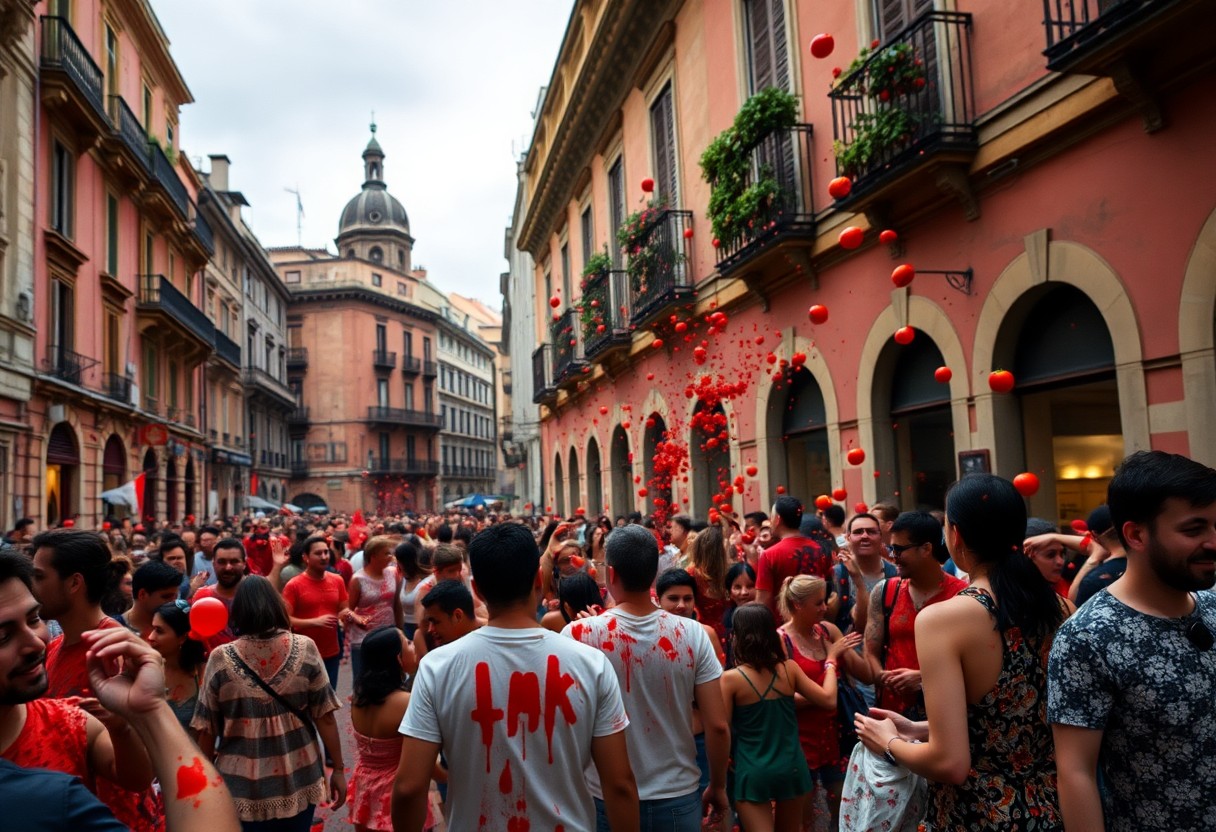
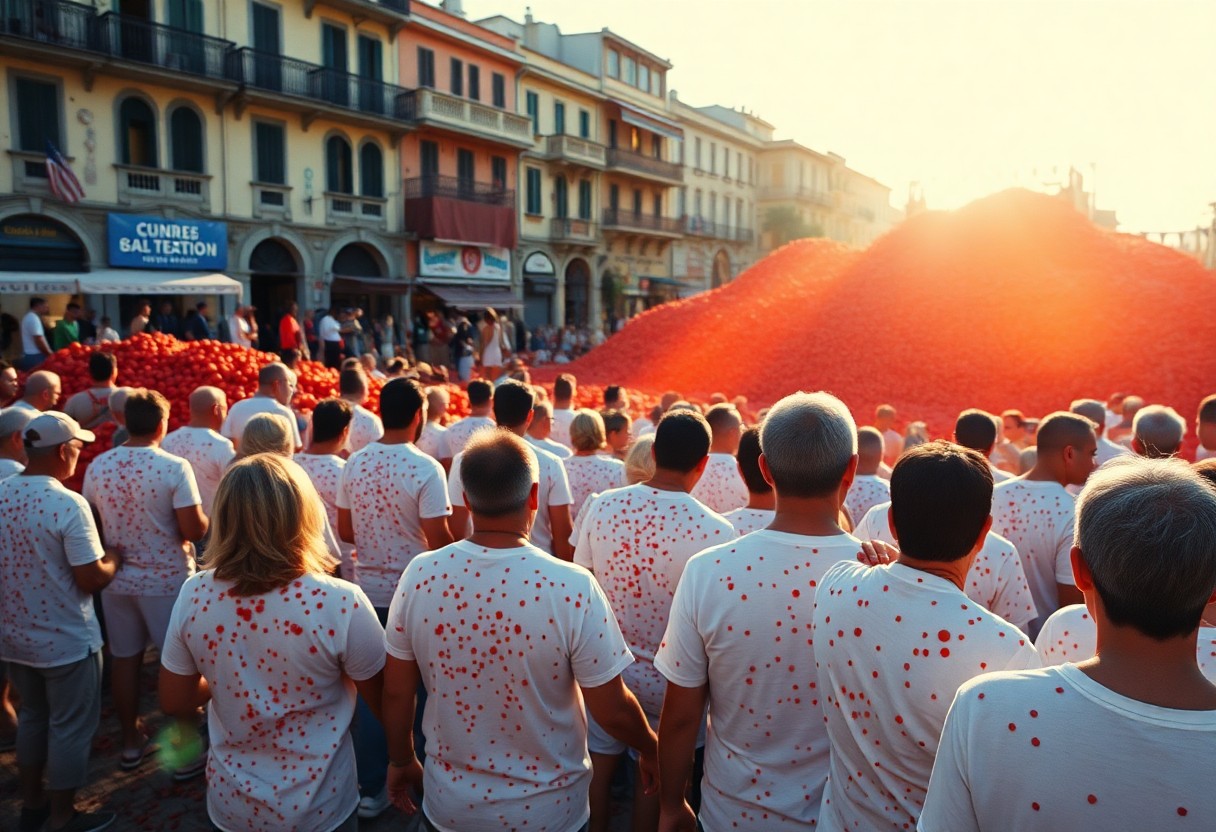
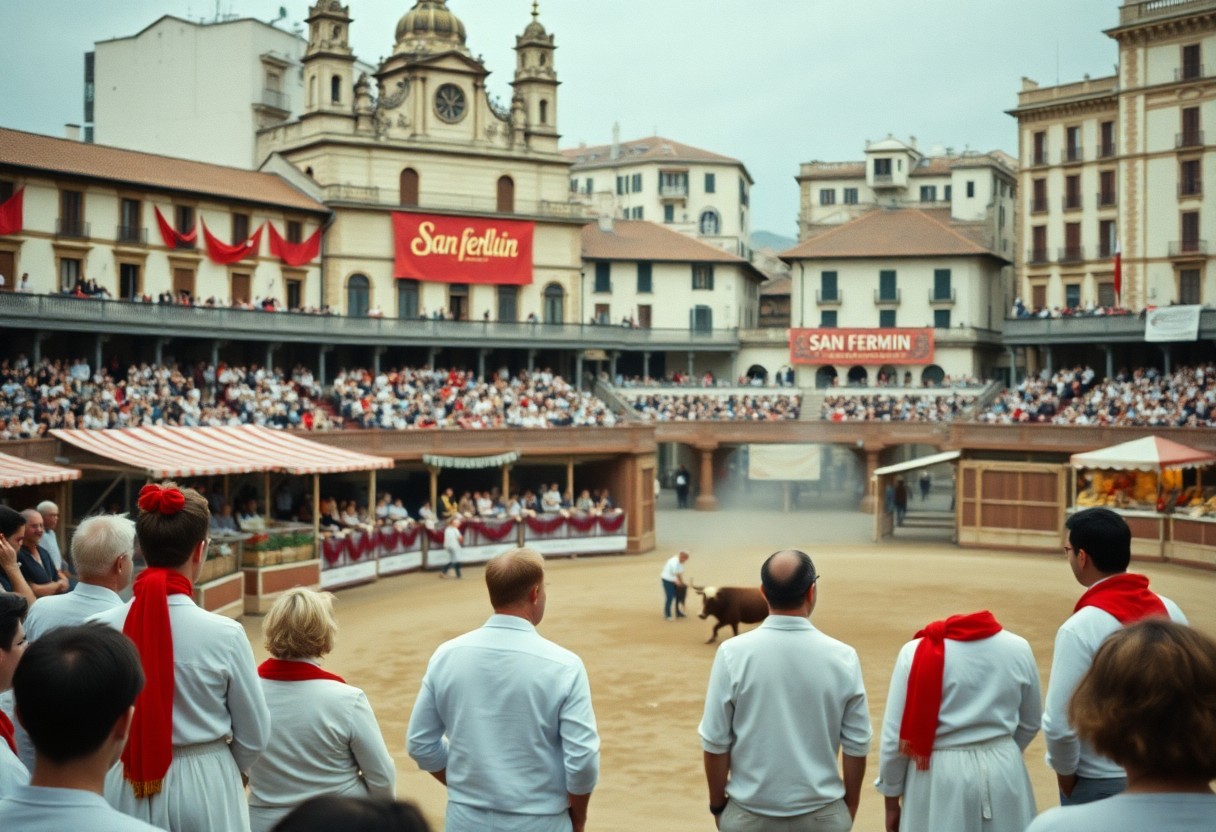
Two of Spain’s most iconic national festivals are La Tomatina, held in Buñol, and the Running of the Bulls in Pamplona. La Tomatina, famous for its outlandish tomato-throwing battle, takes place on the last Wednesday of August, drawing thousands to indulge in pure, messy fun. Likewise, the Running of the Bulls, part of the San Fermín festival in early July, invites thrill-seekers to run alongside the bulls through the streets, culminating in a celebration filled with music, dance, and local cuisine.
Regional Gems: Celebrations Unique to Each Autonomous Community
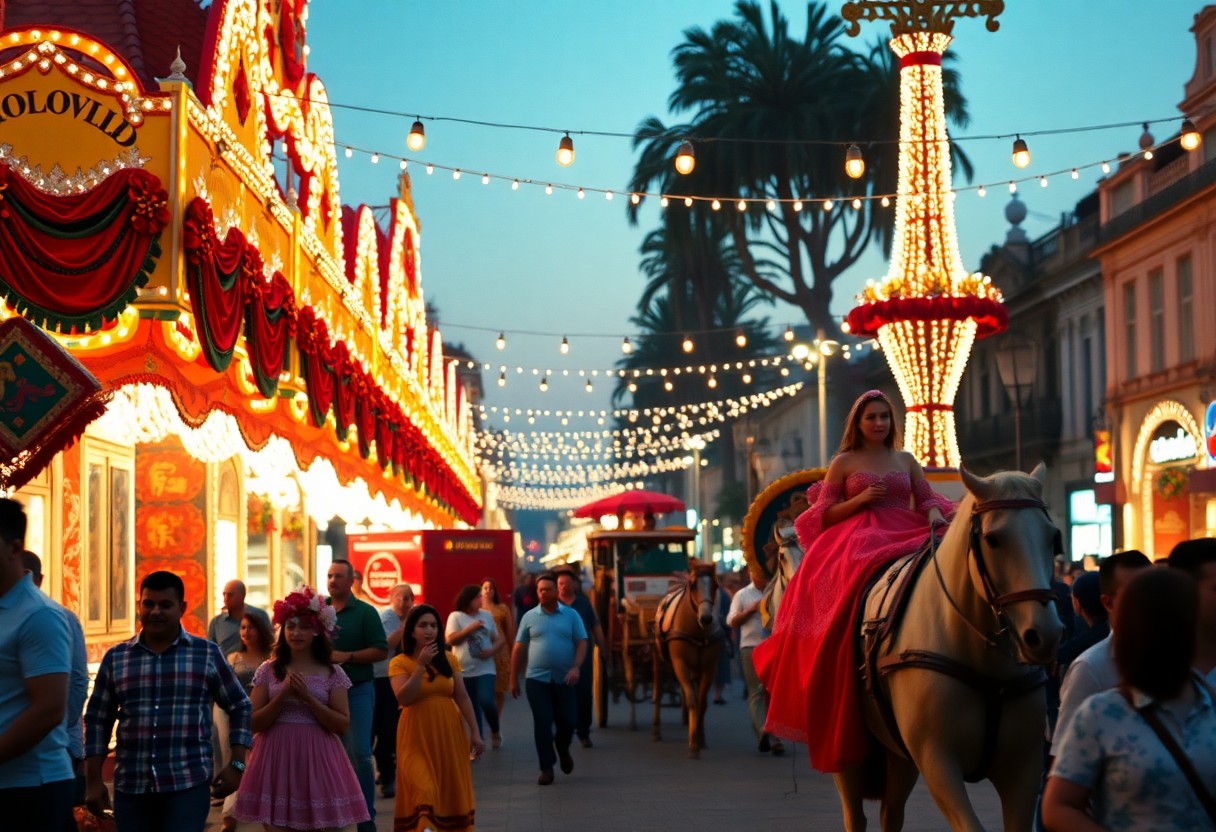
Spain’s regional festivals each provide a distinct glimpse into local cultures, and no two are alike. Each autonomous community, from Andalusia to Catalonia, has its own cherished traditions, culinary specialties, and festive fervor. For instance, Las Fallas in Valencia showcases monumental sculptures and fiery pyrotechnics, while Feria de Abril in Seville celebrates Andalusian heritage with vibrant flamenco dancing and horse parades. You’ll find that participating in these regional festivities offers an unparalleled opportunity to connect with local customs and traditions.
Exploring regional gems is a rewarding adventure full of authentic experiences. For instance, in Galicia, you can partake in the vibrant Feast of St. James, where religious processions blend with culinary delights like octopus and local wines. In Catalonia, the Castells—human towers—demonstrate community strength and cooperation, while in the Basque Country, the Gernika Festival commemorates peace and resilience through cultural exhibitions. Each festival is not merely a celebration; it’s a living tapestry that binds communities together, inviting you to immerse yourself in their vibrant stories and traditions.
The Magic of Regional Traditions
The vibrancy of Spain’s regional festivals showcases a tapestry of cultures, languages, and histories that come alive through local customs and legacy. Each celebration offers a glimpse into the heart of its community, inviting you to experience traditions that have been passed down through generations. Whether it’s the fiery passion of flamenco in Andalusia or the spirited castells of Catalonia, these events highlight the rich diversity of Spain’s cultural landscape.
Unraveling the Unique Celebrations in Spain’s Regions
Every region in Spain boasts its own distinct festival, often drawing on ancient traditions that connect you to the local populace. In Valencia, the Las Fallas festival combines artistry and pyrotechnics as massive effigies are crafted and then spectacularly burned. Meanwhile, in Galicia, the Festa de Santo Tomé celebrates the region’s agricultural heritage with a day-long feast of traditional foods and lively music.
Festivals that Reflect Local Culture and Heritage
Delving into festivals that reflect local culture reveals the richness of Spain’s heritage. Each event resonates with stories of the communities, whether it’s the moors and Christians’ reenactments in Alcoy or the Semana Santa’s solemn processions across the country. These celebrations are not merely events but rather living traditions that encapsulate the spirit of each locale, providing you with an authentic connection to the past.
For instance, the Feria de Abril in Seville is not just a fair; it’s an emblem of Andalusian culture marked by traditional attire, flamenco music, and horse parades. You will find the streets alive with the sound of laughter and the scent of local delicacies, as locals and visitors immerse themselves in a revelry that is deeply rooted in customs. By participating in these festivals, you gain a deeper appreciation for the diverse customs that contribute to the rich tapestry of Spanish identity, each with its own unique flavor and significance.
Experiencing Tradition: How Festivals Reflect Spanish Culture
Spanish festivals serve as vibrant expressions of the country’s rich cultural heritage, weaving together historical narratives, communal bonds, and shared values. Each celebration offers a glimpse into the heart of local customs, where music, dance, and costumes blend seamlessly with age-old rituals that have been passed down through generations. Attending these festivals allows you to immerse yourself in the essence of Spanish life, from the exuberance of local parades to the solemnity of religious observances, showcasing the pride and passion of each community.
The Role of Religion and Heritage in Festivals
Religious influences permeate many Spanish festivals, reflecting the deep roots of Catholicism intertwined with regional traditions. Events like Semana Santa (Holy Week) in Seville showcase elaborate processions that detail biblical narratives, allowing you to engage with centuries-old spiritual practices. By participating in these festivals, you’ll discover how heritage shapes modern celebrations and fosters a sense of continuity within communities.
Culinary Delights: Food Festivals as a Cultural Experience
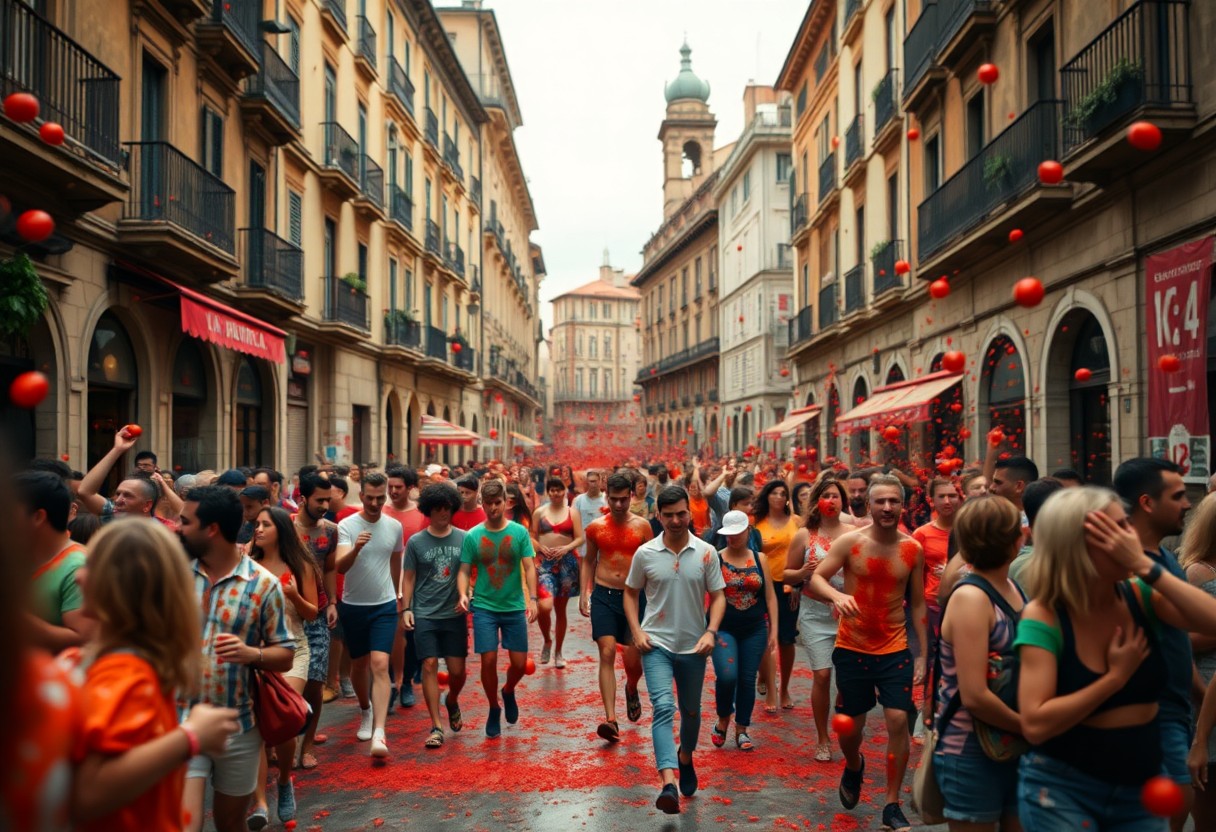
Food festivals in Spain are not just about tasting delicious dishes; they offer a unique window into the cultural identity of the region. Celebrations such as La Tomatina in Buñol transcends mere tomato throwing, instead embodying community spirit and shared joy through food. As you savor traditional dishes at these events, you can connect with local history and traditions, further deepening your understanding of Spanish culture.
Culinary festivals often feature regional specialties that showcase the seasonal bounty and culinary techniques unique to each area. For example, the Feria de Abril in Seville highlights not just tapas but also showcases flamenco performances, creating an intense sensory experience that blends taste with tradition. Engaging with local vendors at these celebrations provides you with firsthand knowledge of ingredients and preparation techniques, turning meals into storytelling moments where flavors narrate the history and identity of the people. Exploring Spanish culinary festivals allows you to appreciate not only the food but also the cultural narratives woven into each dish, enriching your travel experience significantly.
Feast Days and Culinary Highlights
Feast days in Spain intertwine the sacred with the celebratory, providing ample opportunities to indulge in exquisite regional dishes. Each festival showcases locally sourced ingredients and age-old recipes passed down through generations. Moreover, these feasts not only satisfy your palate but also serve as a communal gathering, bringing people together to honor tradition through the enjoyment of food.
Gastronomic Festivals that Celebrate Spanish Cuisine
Spain bursts with gastronomic festivals that highlight its rich culinary heritage. You can savor the famous La Tomatina in Buñol, where tomatoes take center stage, or indulge in the flavors of the renowned San Sebastián Gastronomika, which draws chefs and foodies from around the globe. Each event is a thrilling celebration of local produce and culinary creativity, offering you a unique taste of Spanish culture.
The Role of Food in Spanish Festivity
Food plays an integral role in Spanish festivities, serving not just as sustenance, but as a vital expression of cultural identity. Celebrations like Semana Santa feature sweet pastries that symbolize religious significance, while town-wide feasts during La Fiesta de San Isidro showcase the local cuisine that binds communities together. Sharing meals during these events fosters connection and strengthens social bonds, revealing how deeply interwoven food is with the fabric of Spanish culture. With every bite, you’re not just tasting a dish; you’re experiencing the history, traditions, and communal spirit of Spain.
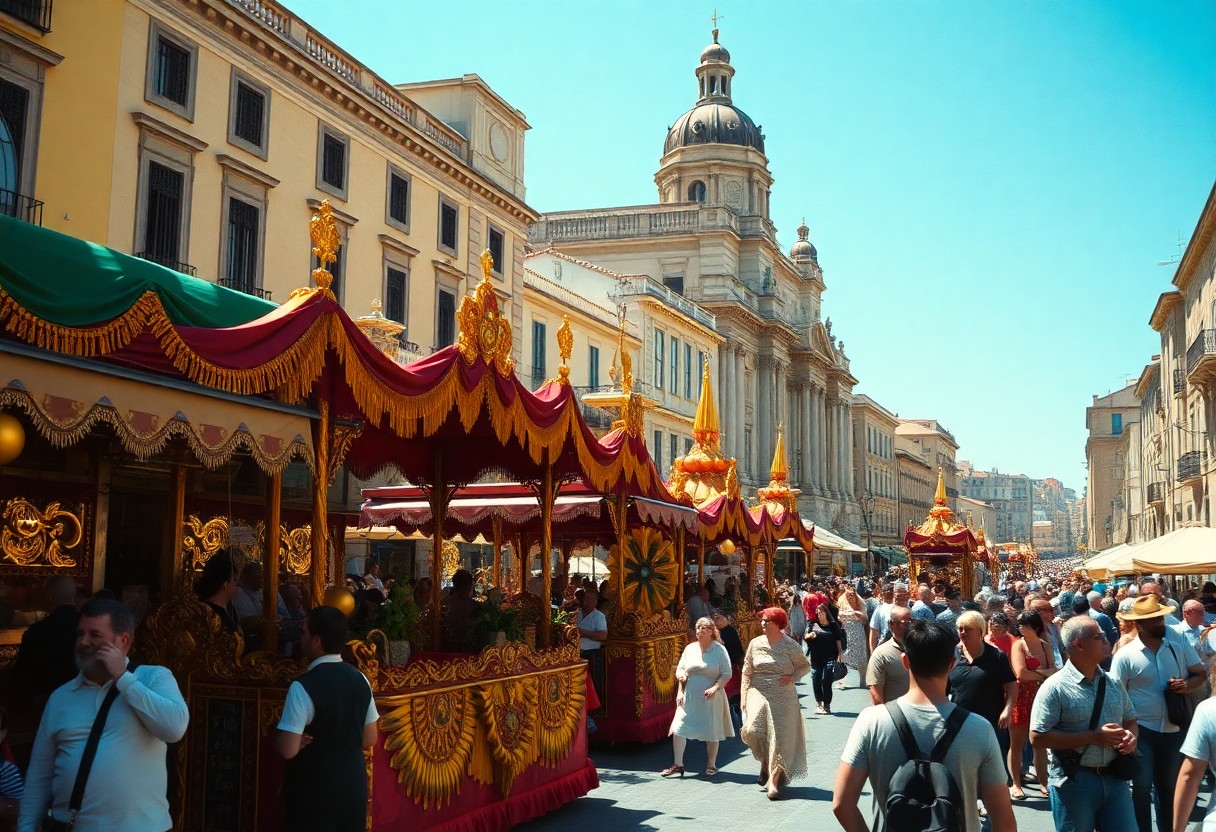
Planning to Participate: Essential Tips for Festival Goers
Diving into the vibrant world of Spanish festivals requires some thoughtful planning to maximize your experience. Consider the following vital tips before you set off:
- Research each festival’s schedule and highlights
- Secure tickets or reservations in advance
- Familiarize yourself with local customs and dress codes
- Pack for the weather and any unique activities
- Stay hydrated and nourish yourself to keep your energy up
Recognizing these elements improves your chances of fully immersing yourself in the captivating festivities.
Timing Your Visit: When to Experience Each Festival
Selecting the right time is crucial for enjoying these lively celebrations. Many of the best festivals, such as La Tomatina in Buñol or San Fermín in Pamplona, occur during specific months, typically in the summer or early autumn. Researching each festival’s date ensures you’re present during the peak festivities, where locals and visitors gather for unforgettable experiences that highlight regional traditions.
Logistics and Accommodation: Making the Most of Your Festival Adventure
Planning your logistics and accommodation is key to ensuring a smooth festival experience. Early booking is advisable, as hotels near major events often fill up quickly. Look for options that cater to various budgets, including hostels or vacation rentals, which may offer a more local feel. Familiarize yourself with public transport options or consider renting a bicycle to navigate crowded city streets efficiently. Connecting with fellow festival-goers can also enhance your adventure and offer unique insights on navigating the scene.
Understanding how to secure accommodation can be a game-changer during busy festival periods. For example, staying a few blocks away from the main events may save you money and create opportunities to explore lesser-known parts of town. Additionally, exploring local Airbnbs or even camping options affords you the chance to engage more authentically with the community. Arrive a day or two early to soak in the local culture and be ready for the festivities when they begin.
Rituals and Religious Observances
In Spain, rituals and religious observances intertwine seamlessly with cultural festivities, creating a rich tapestry that reflects the nation’s diverse heritage. From solemn church services to exuberant celebrations, these events resonate with deep-rooted traditions that have evolved over centuries. You’ll experience vibrant community spirit as towns and cities come alive in a spectacular display of faith, color, and heritage, offering a glimpse into the heart of Spanish society.
The Intersection of Faith and Festivities in Spanish Culture
Your journey through Spanish festivals will reveal how faith and festivities coalesce, often centered around key religious events such as Semana Santa (Holy Week) and Día de los Muertos (Day of the Dead). These occasions showcase not just devotional practices, but the profound connection between spiritual beliefs and the vibrancy of communal celebrations, where gratitude and remembrance play pivotal roles.
Iconic Processions: Spirituality in the Streets
Nowhere is this spiritual celebration more apparent than in the iconic processions that fill the streets during religious festivals. Cities like Seville and Granada host elaborate parades that uniquely blend artistry and devotion, where participants don intricate costumes, carry ornate floats, and chant prayers, all while drawing thousands of spectators from around the world.
The iconic processions of Spain, particularly during Semana Santa, transform city streets into magnificent displays of faith and artistry. In Seville, for instance, 60 different brotherhoods participate, each with their own float representing a specific aspect of the Passion of Christ. With thousands of penitents cloaked in traditional robes, the atmosphere is charged with devotion, as the haunting sound of drums resonates through the evening air. These events not only serve as acts of worship but also reinforce community ties, allowing you to immerse yourself fully in the collective experience of spirituality and solidarity that defines these emblematic celebrations.
Beyond the Celebrations: The Economic and Social Impact of Festivals
Festivals in Spain extend beyond mere celebration; they serve as vital components of the local economy and social fabric. Your attendance at these events can significantly influence not only the immediate community but also the wider region. By integrating traditions with economic growth, festivals create a fusion of tourism, local pride, and communal identity, demonstrating their multifaceted role in society.
Tourism Boost and Local Economy: A Closer Look
Festival seasons draw millions of visitors annually, providing a substantial influx of cash into local economies. Hotels, restaurants, and local artisans thrive, with cities experiencing up to a 30% increase in tourism during peak festival times. Your participation supports these businesses, allowing them to flourish while preserving the unique cultural heritage each festival represents.
Community and Identity: How Festivals Foster Local Pride
Festivals cultivate a strong sense of community and identity, offering residents a foundation of cultural connection. In towns like Buñol during La Tomatina, the festival becomes a canvas for local expression, where longstanding traditions are celebrated and new memories are created. This shared experience not only deepens your ties to the local culture but also enhances collective pride in regional heritage, often leading to increased participation in community activities year-round.
The extraordinary sense of belonging that accompanies local festivals cannot be overstated. You might find that participating in events like San Fermín in Pamplona or Feria de Abril in Seville nurtures a collective memory and a shared narrative. These celebrations actively engage you and your neighbors, uniting diverse generations and fostering inter-community relationships. Enhancing local identity through vibrant costumes, music, and food, festivals encourage you to take pride in your heritage while inviting visitors to appreciate the richness of local traditions. The energy and enthusiasm of these gatherings contribute to a stronger, more connected community psyche, ensuring cultural narratives are passed on and cherished for years to come.
Modern Adaptations: How Festivals Evolve
Festivals in Spain aren’t static; they evolve with the times, adapting to social changes and embracing new influences. The incorporation of contemporary elements into traditional celebrations is a testimony to the resilience and creativity of local communities. As you research into the essence of these adaptations, you’ll discover a blend of ancient rituals with modern expressions, showcasing the dynamic interplay between heritage and innovation.
The Influence of Globalization on Traditional Celebrations
Globalization has significantly shaped the ways traditional Spanish festivals are celebrated, introducing international flavors and practices. You might notice elements from other cultures infusing local celebrations, such as food fusion at La Tomatina or the incorporation of global music styles during Semana Santa. This blend not only broadens the appeal of these festivals to a worldwide audience but also enriches the cultural tapestry of Spain itself.
Innovative Festivals Pioneered by Younger Generations
Younger generations are paving the way for innovative festivals that reflect contemporary issues and interests. You’ll find events like the Internacional de Música Avanzada y Artes Escénicas (IMAE) in Valencia, which emphasizes experimental music and the arts. These festivals are not just entertainment; they’re platforms for dialogue, social awareness, and community engagement, helping youth connect with their heritage while addressing modern challenges.
Festivals such as Sonar in Barcelona symbolize the innovative spirit of the younger crowd, merging music, technology, and art into an immersive experience. Participants engage in workshops, showcasing their own creative works alongside established artists, creating a community around shared passions. With a strong focus on sustainability, many young event organizers are also integrating eco-friendly practices, making these gatherings reflect a growing consciousness around environmental issues. This shift toward innovation ensures that these festivals remain relevant, providing a refreshing take on cultural celebrations that honor both the past and the future.
Insights from Moon Travel Guides: Unique Recommendations
With expert insights, Moon Travel Guides offers unique recommendations for immersing yourself in Spain’s festival culture. From specific regional events to practical advice on local customs, these guides unveil hidden gems and local favorites. You’ll uncover the best places to eat, stay, and enjoy the festivities, ensuring an authentic and unforgettable experience during your travels across this vibrant country.
Expert Tips on Festival Planning and Travel Routes
Strategizing your travel routes can significantly enhance your festival experience in Spain. Consider these expert tips to navigate festivities seamlessly:
-
- Plan your accommodation early, especially during peak festival seasons.
- Use regional trains or buses for convenient travel between cities hosting festivals.
- Incorporate day trips to nearby attractions around major festivals for a well-rounded adventure.
- Check local calendars for overlapping events to maximize your festival-hopping options.
Any traveler looking to optimize their festival journey will find these strategies invaluable.
Hidden Experiences and Lesser-Known Festivals to Explore
Your visit to Spain should extend beyond well-trodden pathways to uncover the country’s lesser-known celebrations. Festivals such as San Juan in A Coruña, where locals jump over bonfires for good fortune, or the charming celebration of La Patum de Berga, involving colorful parades and effigies, capture the heart and soul of Spanish tradition. Adventurous travelers will find such festivals provide a genuine connection to local culture, complete with unique foods, artisan crafts, and opportunities to meet welcoming locals who cherish sharing their vibrant heritage.
The Role of Moon Travel Guides
Moon Travel Guides serve as your trusted companion in navigating the colorful tapestry of Spanish festivals, offering insights that go beyond mere event dates. With their detailed overviews, cultural context, and practical advice, these guides empower you to immerse yourself deeply in the local culture, ensuring that you not only attend the fiesta but experience it like a local.
How to Discover Festivals with Moon Travel Guides
Finding the right festival to suit your interests becomes a breeze with Moon Travel Guides. Their comprehensive listings highlight imperative celebrations, from the well-known La Tomatina in Buñol to lesser-known local fiestas scattered across the countryside. Maps, transportation tips, and accommodation suggestions enhance your ability to plan the perfect festival journey.
Tips for Travelers: Making the Most of Festival Experiences
Fully embracing the vibrant atmosphere of Spanish festivals requires some savvy traveling tips. Join locals in the festivities, don traditional attire, and indulge in the regional cuisine offerings to elevate your experience. Being adaptive can also be beneficial, as some festivals may have unexpected or spontaneous components, adding an element of surprise and delight to your experience.
- Engage with locals to learn about customs and traditions.
- Try the local food and explore regional specialties.
- Participate in traditional activities and games.
- Embrace the unexpected and keep your plans flexible.
Making the most of your festival journey goes hand in hand with your willingness to examine the local way of life. Each event comes with its unique charm, often involving spontaneous dance-offs, impromptu street performances, and community gatherings. These cultural intersections create unforgettable moments that are well worth embracing. Maintaining an open mind can lead to unexpected adventures and deeper connections with your surroundings.
- Participate actively in local traditions and customs.
- Take time to speak with artisans and performers.
- Join in on local dances and public celebrations.
- Recognizing the spontaneous nature of these festivities enhances your experience.
Spain Festivals and Beyond
From above, your understanding of Spanish festivals and their vibrant traditions is enriched by the insights provided in Moon Travel Guides. You now have the tools to navigate the lively celebrations, from the exuberance of La Tomatina to the spiritual fervor of Semana Santa. As you plan your adventures, you can look forward to immersing yourself in the culture, flavors, and community spirit that define these unique events. Embrace the experience, and let each festival deepen your appreciation for Spain’s diverse heritage.
Conclusion
Now that you have a glimpse into the vibrant world of Spanish festivals, you can plan your travels with confidence using Moon Travel Guides. Whether you’re drawn to the colorful processions of Semana Santa or the lively atmosphere of La Tomatina, understanding the schedules and cultural significance of these events enhances your experience. With the right guidance, you can immerse yourself in the local traditions and create lasting memories in Spain. Let your adventure begin with the insights provided in Moon Travel Guides.
FAQ
Q: What types of festivals are covered in the Moon Travel Guides for Spain?
A: The guide features a diverse array of festivals, including traditional religious celebrations, regional events, food festivals, and cultural fairs. Readers can explore well-known annual events like La Tomatina, Semana Santa, and Feria de Abril, as well as localized festivities that showcase Spain’s unique customs and traditions.
Q: When is the best time to experience Spanish festivals according to the guide?
A: The best time to experience Spanish festivals varies by region, but the guide provides a month-by-month breakdown highlighting key events throughout the year. Spring is vibrant with Easter celebrations, summer brings lively fiestas, and autumn often features harvest-related events, ensuring there’s always something happening no matter when you visit.
Q: How does the guide help travelers plan their festival experiences?
A: The Moon Travel Guides include practical information for each festival, such as dates, location details, and tips for attending. Travelers can find advice on transportation, accommodations, and local customs, enabling them to immerse themselves in the festival atmosphere while making the most of their visit.
Q: Are there any lesser-known festivals highlighted in the guide?
A: Yes, the guide not only covers popular festivals but also introduces readers to lesser-known celebrations that may not be on every traveler’s radar. This includes regional events and community gatherings that provide authentic cultural experiences, allowing travelers to connect more personally with the local way of life.
Q: Can the guide assist in understanding the cultural significance of these festivals?
A: Absolutely! The Moon Travel Guides research into the historical and cultural contexts behind each festival, explaining their origins and the traditions associated with them. This narrative enriches the traveler’s experience, promoting a deeper appreciation for the vibrant customs and shared heritage of Spain.
- https://travellersguides.com/spanish-festivals-and-beyond-events-with-moon-guides/
- https://www.youcouldtravel.com/travel-blog/moon-guide-camino-de-santiago/
- https://www.walmart.com/ip/Moon-Latin-America-Caribbean-Travel-Guide-Moon-San-Miguel-de-Allende-Guanajuato-Queretaro-Art-Architecture-Local-Flavors-Festivals-Day-Trips-Edition-9798886470628/5315921146
- https://www.moon.com/travel/trip-ideas/holidays-and-festivals-in-el-salvador/
- Lake Tahoe, California, Nevada: Capture the Crystal Clear Beauty of the Sierra
- USA Staycations: 9 Affordable Family Holiday Spots That Feel Like a World Away
- Solo Travel: Why Everyone Should Try It at Least Once
- Sustainable Adventures – How to See the World Without Harming It
- Winter Wonderland: Best Snowy Family Vacations in the USA for Every Budget
- All-Season Family Fun: Best U.S. Vacation Spots for Any Time of the Year