
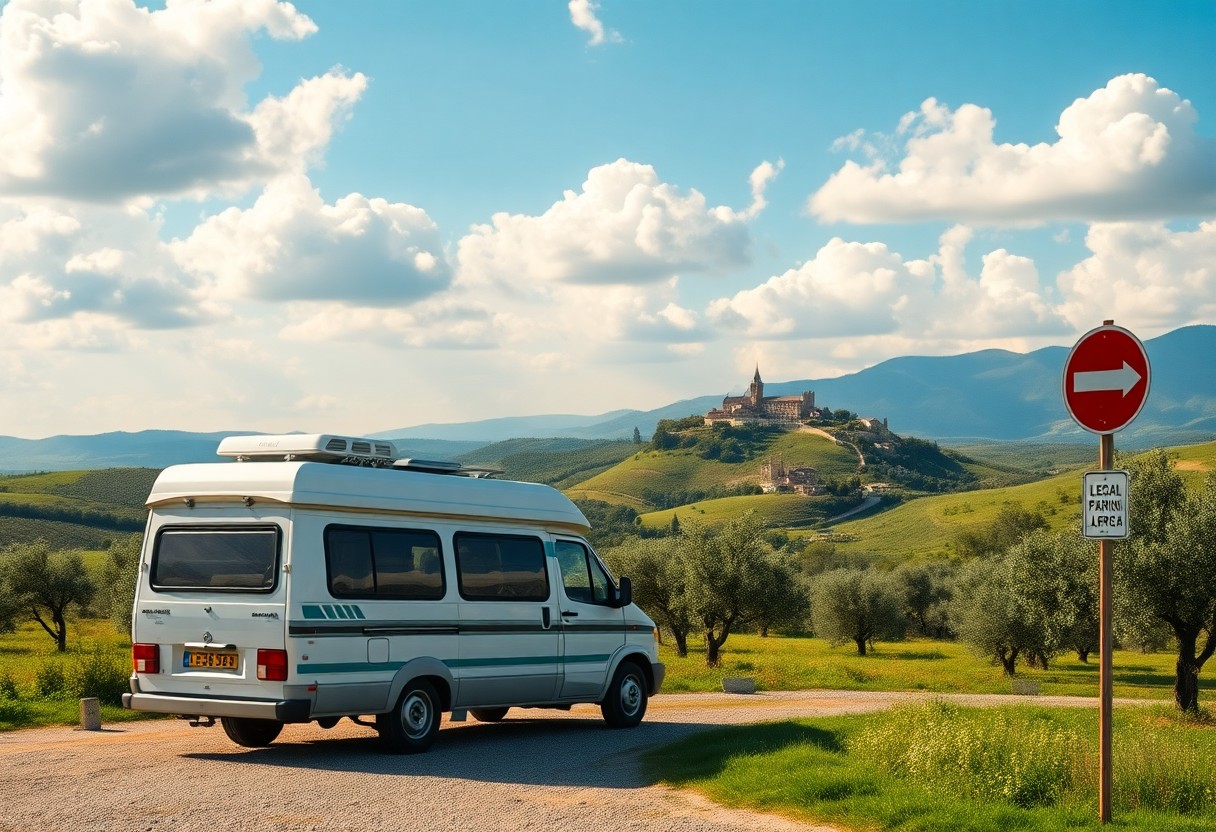
Travel through Italy by campervan offers you the freedom to explore stunning landscapes and charming towns at your own pace. Whether you rent a van in Italy or bring your own from Germany, understanding legal parking and wild camping rules is important for a smooth journey. This guide helps you navigate parking options, discover top routes like the Dolomites and Amalfi Coast, and manage your travel budget efficiently. With tips on AI route planners and parking apps, you’ll be fully equipped to enjoy your vanlife adventure across Italy.
Key Takeaways:
- German travelers can either rent a campervan directly in Italy or bring their own from Germany, ensuring proper paperwork such as insurance and registration is in order.
- Legal parking and wild camping in Italy are regulated regionally; designated campervan parking areas and official sosta camper spots offer safe, legal overnight stays.
- Popular campervan routes include the scenic Dolomites for mountain landscapes and the Amalfi Coast for stunning coastal drives, both offering numerous stopover options.
- Planning a campervan trip in Italy involves budgeting for fuel, tolls, campsite fees, and occasional parking charges, with costs varying by region and season.
- Using AI-powered route planners and parking apps can help locate legal parking spots, avoid restricted areas, and optimize travel routes tailored to campervans.
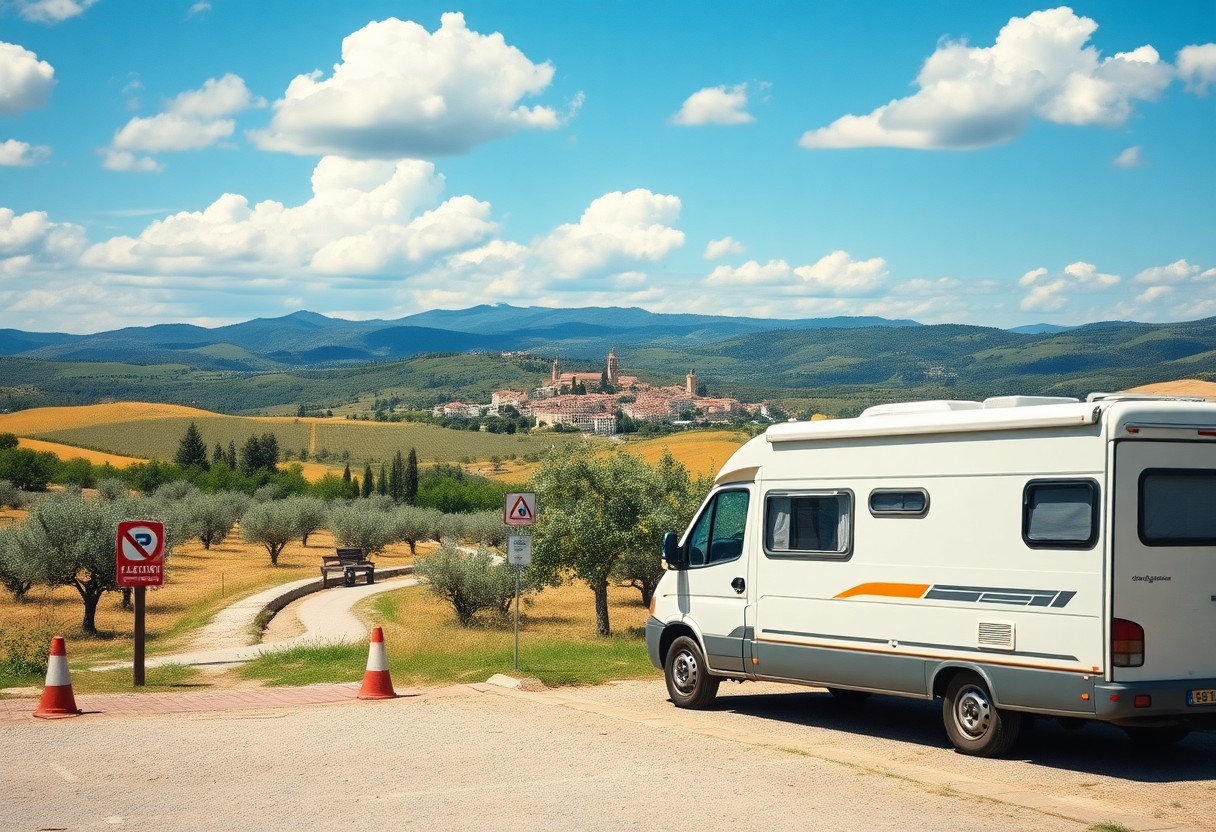
Choosing Your Campervan: Renting vs. Bringing Your Own
Deciding between renting a campervan in Italy or bringing your own from Germany hinges on your travel style and budget. Renting lets you choose from modern, well-maintained vehicles with included insurance and roadside assistance, while bringing your own grants familiarity and saves rental fees—but involves crossing borders and managing registration papers. Consider the length of your trip as well as planned routes, since rental companies often have mileage limits, whereas your own van gives more unrestricted freedom.
Pros and Cons of Renting a Campervan in Italy
| Pros | Cons |
|---|---|
| Access to the latest models with full maintenance | Usually higher daily rental costs |
| Insurance and roadside assistance included | Restrictions on mileage and certain destinations |
| Local pickup and drop-off options | Limited flexibility on customization |
| No need to worry about German vehicle paperwork | Potential language barriers in rental agreements |
| Wide selection tailored to camping needs | Additional fees for extra drivers or specific equipment |
Navigating Regulations for Bringing Your Own Van from Germany
Bringing your own campervan from Germany means ensuring your vehicle complies with Italian road requirements, including valid German registration and insurance that covers Italy. You must carry the “Carta Verde” insurance certificate and check that your van meets European emissions standards applicable in low emission zones, such as the Dolomites. Temporary import declarations or modifications may be necessary if you plan extended stays. Also, verify that your campervan’s dimensions conform to Italian road and parking restrictions to avoid fines during your trip.
Mastering Legal Parking and Wild Camping in Italy
Parking regulations in Italy vary by region but generally restrict overnight stays in public areas unless explicitly allowed. Campervans can legally park in designated sosta camper zones, which often provide facilities for water and waste disposal. Wild camping remains mostly prohibited, especially near coastal and urban areas, yet some remote regions tolerate discreet overnight stays if you follow local rules. Utilizing official camper sites not only keeps you compliant but also enhances safety and access to amenities. Gathering intel from local tourism offices or campervan apps can help you avoid fines and enjoy stress-free stops.
Understanding Italian Laws on Parking and Overnight Stays
Italian law forbids overnight parking of campervans on streets and public parking lots unless permitted by local ordinances. Regions such as Tuscany and Liguria implement stricter rules, while others like Trentino-Alto Adige offer more leniency through sosta camper areas. Parking is permitted during daylight in most places, but you’ll need to move by nightfall unless you park in an official camper area. Payment zones and time limits often apply in larger cities. Familiarize yourself with road signs indicating parking restrictions and watch for “Divieto di sosta” signs to avoid penalties.
Essential Tips for Responsible Wild Camping
Wild camping is technically illegal in most parts of Italy but small-scale, low-impact overnight stays in secluded areas are often tolerated, especially in the Dolomites or parts of Sardinia. Use existing clearings, avoid private property, and never leave waste behind. Strictly avoid camping near cultural or historical sites, nature reserves, and coastal zones where enforcement is harsh. Always check with local authorities or communities for informal permission. Any wild camping spot should preserve the environment and respect local residents’ privacy.
To go deeper into responsible wild camping practices, consider these guidelines:
- Choose durable surfaces like gravel or dry grass to minimize impact
- Set up camp late and leave early to reduce your footprint
- Pack out all trash and never bury waste
- Use portable toilets or designated facilities wherever possible
- Limit group size to avoid noise and congestion
- Campfire bans are common; use a stove for cooking
Any disregarding these points risks fines or damaging Italy’s fragile ecosystems, undermining your travel experience.
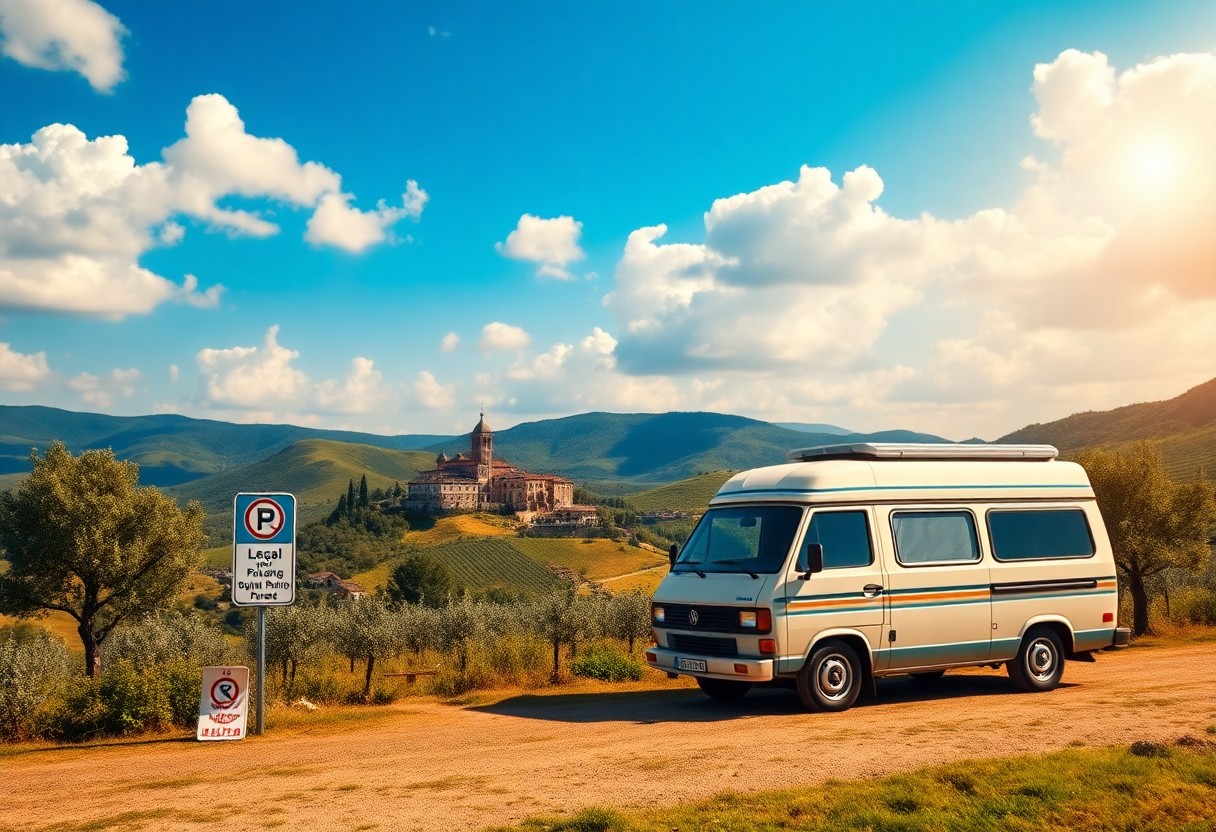
Exploring Italy’s Breathtaking Landscapes: Top Routes for Campervan Travel
Italy offers diverse landscapes perfect for campervan travel, from dramatic mountain peaks to sun-kissed coastlines. The Dolomites provide thrilling outdoor activities and alpine vistas, while the Amalfi Coast combines winding roads with charming seaside towns. Both routes present numerous camper-friendly parking spots and scenic stops ideal for you to immerse in Italy’s natural and cultural beauty at your own pace.
The Majestic Dolomites: A Route Packed with Adventure
Driving through the Dolomites, you’ll encounter sharp cliffs, alpine meadows, and crystal-clear lakes. Routes like the Great Dolomites Road link picturesque villages such as Cortina d’Ampezzo and Ortisei, boasting ample campervan parking, many with electrical hook-ups. Trails for hiking and cycling abound, letting you tailor your adventure while enjoying spectacular mountain air and unforgettable sunsets.
The Serene Amalfi Coast: Scenic Views and Cultural Riches
The Amalfi Coast’s iconic cliffside roads offer panoramic views of the Tyrrhenian Sea, perfect for a leisurely campervan journey. Towns like Positano, Amalfi, and Ravello are accessible with strategically located camper parking, though spots can be limited during peak season. Coastal hikes, historic villas, and vibrant local markets await as you explore the blend of nature and culture.
Beyond its breathtaking vistas, the Amalfi Coast invites you to explore into its rich history and cuisine. Arriving early or using AI-powered parking apps helps you secure legal spots without stress. Local campervan-friendly campgrounds provide facilities such as showers and Wi-Fi, making extended stays comfortable. Savor fresh seafood dishes, wander lemon groves, and take advantage of nearby ferry connections to explore the nearby islands, enhancing your Italian vanlife experience.
Budgeting for Your Italian Campervan Adventure
Your campervan budget in Italy should account for fuel prices averaging around €1.80 per liter, campsite fees that range from €20 to €40 per night, and entrance fees to attractions like Cinque Terre or the Colosseum, which often cost €10–€25. You might want to add a buffer for toll roads, especially on the Amalfi Coast, where toll charges can add up quickly. Factoring these elements allows you to enjoy vanlife Italy without financial surprises along your route.
Breakdown of Costs: Fuel, Campsites, and Attractions
Fuel will typically form the largest chunk of your campervan expenses, with an average consumption of 8 to 12 liters per 100 km, depending on your vehicle. Campsites along popular routes in the Dolomites or Amalfi Coast often include amenities but may cost more during peak season. Entrance fees to renowned attractions like Pompeii or museums in Rome usually range between €10 and €25. Assume that fuel stops and campsites in remote areas can be pricier, so planning your route via AI apps helps optimize cost-efficiency.
Money-Saving Tips for German Travelers on a Campervan Road Trip
Booking campsites in advance through apps can secure better rates, and opting for free or low-cost sosta camper areas reduces overnight expenses. Avoiding toll roads by using alternative routes might save money but can add travel time. Stocking up on groceries from German or Italian supermarkets instead of dining out cuts food expenses significantly. Assume that traveling during shoulder seasons offers lower prices and less crowded parking spots for vans.
Additional money-saving strategies include:
- Utilizing apps like Park4Night or Campercontact to find free or inexpensive parking and wild camping options compliant with local rules.
- Choosing campsites outside major tourist hubs reduces nightly fees without sacrificing access to top routes.
- Preparing your own meals in the campervan kitchen to avoid pricier restaurants, especially in tourist-heavy zones.
- Leasing or renting a fuel-efficient campervan to minimize diesel or petrol costs across long distances.
- Traveling during late spring or early autumn when lower demand often drops campsite prices.
Assume that a well-planned budget combining these tactics will maximize your enjoyment of vanlife Italy while keeping costs manageable.
Navigating Italy with Technology: AI Route Planners and Parking Apps
AI-driven route planners and specialized parking apps take the guesswork out of navigating Italy’s often narrow roads and limited campervan spaces. Dynamic tools like Google Maps integrated with real-time traffic data or Campercontact help you optimize travel times and find legal parking areas with ease. They alert you to tolls, low bridges, and seasonal route closures, which enhances safety and efficiency while preserving the spontaneity intrinsic to vanlife Italy. Such technology turns exploration into a smooth experience, helping you explore iconic routes from the Dolomites to the Amalfi Coast without stress over logistics.
Best Apps for Planning Your Route and Finding Campsites
Apps like Park4Night, Campercontact, and ACSI Campsites offer extensive databases of Italian campervan-friendly spots with user reviews and GPS coordinates. Sygic’s campervan-specific GPS routes account for vehicle dimensions to avoid restricted roads. For route optimization, AI platforms like Roadtrippers suggest daily distances and points of interest tailored to your preferences, while Google Maps’ offline modes keep you connected even in remote Dolomite valleys where signal drops. These tools streamline route planning and campsite hunting on the go, making your Italian campervan adventure efficient and enjoyable.
How Technology Enhances Your Campervan Experience in Italy
Technology doesn’t just guide your path but also enriches your journey by integrating real-time updates on weather, parking availability, and local events. With apps like Parkopedia, you can find last-minute legal parking vacancies in popular tourist towns, avoiding fines or forced relocations. Additionally, AI-powered itinerary planners adapt your schedule based on traffic patterns and daylight hours, maximizing sightseeing time. Such digital support ensures flexibility and informed decisions at every stop, important when navigating Italy’s bustling coastal roads or unpredictable mountain weather.
Expanding on this, combining tools like MeteoBlue for detailed weather forecasts with Waze for community-reported road hazards equips you with a comprehensive overview of your route’s conditions. This is especially useful in regions like the Dolomites, where sudden weather changes impact driving safety and route access. Integration of these technologies permits real-time rerouting and notifications about legal parking spots, helping you comply with Italy’s strict camping regulations without sacrificing convenience or spontaneity. Together, these innovations transform your vanlife Italy experience into a seamless blend of adventure and assurance.
Final Words
Hence, traveling Italy by campervan offers you incredible freedom, whether you rent locally or bring your own van from Germany. By understanding the legal parking and wild camping regulations, you can enjoy your journey without concerns. Planning your route through stunning areas like the Dolomites or Amalfi Coast enhances your experience, while using AI route planners and parking apps simplifies finding spots. Managing your budget wisely allows you to make the most of your vanlife adventure in Italy, combining flexibility with memorable landscapes and cultural richness.
FAQ
Q: Can I use a German-registered campervan to travel in Italy without any additional permits?
A: Yes, you can use a German-registered campervan to travel across Italy without needing extra permits. However, you must ensure your vehicle insurance covers international travel and that your registration documents are up to date. It is also advisable to carry a green card (international insurance certificate) and become familiar with Italian traffic regulations, which may differ from those in Germany.
Q: What are the rules for parking and wild camping with a campervan in Italy?
A: Parking and camping regulations vary by region in Italy. While parking in designated campervan areas and official campsites is permitted, wild camping (parking overnight outside of these areas) is generally restricted or prohibited, especially in nature reserves and urban areas. It is important to look for local signs and regulations, and when in doubt, opt for authorized motorhome parking spots or campsites to avoid fines.
Q: Which Italian campervan routes are highly recommended for an unforgettable experience from a German traveler’s perspective?
A: Some of the best campervan routes for German travelers include exploring the Dolomites for mountainous landscapes and hiking opportunities, and the Amalfi Coast for stunning coastal views and charming towns. Both routes offer designated campervan parking areas and allow flexible itineraries. Planning time along these routes also provides a good balance between nature, culture, and local cuisine.
Q: How much should I budget for a campervan trip through Italy coming from Germany?
A: The budget depends on various factors such as fuel costs, campsite fees, tolls, food, and activities. Fuel prices in Italy tend to be higher than in Germany, so expect to allocate a larger portion of your budget for petrol or diesel. Campsite fees generally range from €20 to €40 per night, with public parking areas being cheaper or sometimes free but with fewer amenities. Allow extra funds for toll roads, especially on highways around northern and central Italy.
Q: Are there any helpful digital tools or apps that can assist German travelers in planning routes and finding legal parking spots for campervans in Italy?
A: Yes, several apps and AI-based route planners can optimize travel experiences for campervan users. Popular options include Park4Night for locating campervan-friendly parking and overnight spots, Campercontact for campsites, and ViaMichelin or Google Maps with customized routing for campervans. AI route planners can help identify less congested roads, estimate travel times accurately, and suggest stops based on your preferences and legal parking availability.



One thought on “How Can Germans Travel Italy by Campervan (And Where to Park Legally)?”
Comments are closed.