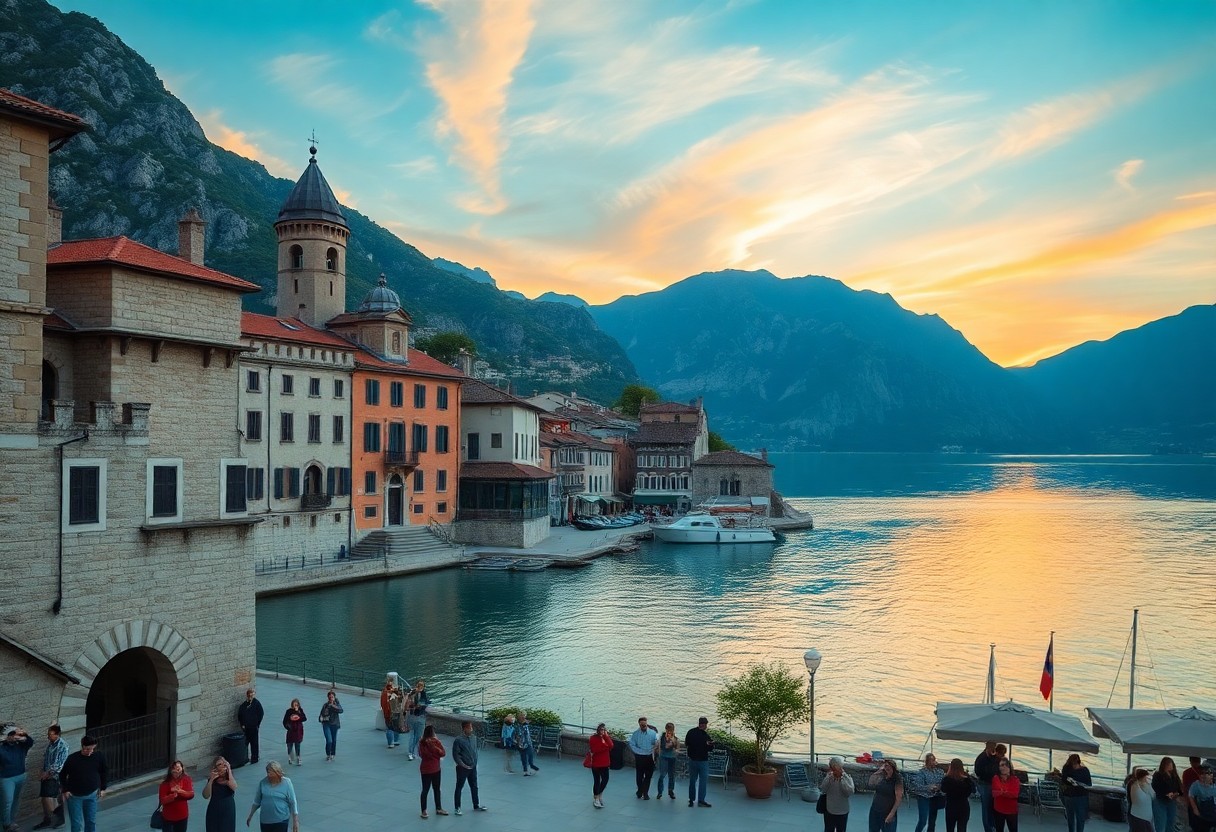
Montenegro offers you a stunning destination in Kotor, where history meets breathtaking coastal views, making it a must-visit spot for your travel adventures. As you wander through its medieval streets and ancient fortifications, you’ll find countless photogenic moments perfect for your Instagram feed. Kotor’s blend of natural beauty and cultural richness ensures your journey will be both visually captivating and deeply engaging. Exploring this hidden gem will not only elevate your travel experience but also inspire your creativity with every corner you explore.
Key Takeaways:
- Kotor, Montenegro offers breathtaking medieval architecture and stunning coastal views, making it a perfect spot for photography enthusiasts.
- The Old Town of Kotor is a UNESCO World Heritage site, filled with charming narrow streets and historic landmarks, ideal for capturing unique Instagram shots.
- Climbing the city walls to the fortress provides panoramic views of the Bay of Kotor, a highlight for any visitor seeking memorable photos.
- Kotor’s vibrant local markets and waterfront cafes add authentic cultural flair, enhancing the variety of Instagram content.
- Visiting during off-peak times allows for capturing the serene beauty of Kotor without the crowds, enhancing the overall experience.
Colchagua Valley: A Wine Lover’s Paradise from TravellersGuides.com:
| Category | Details |
|---|---|
| Location | Colchagua Valley, Chile |
| Reputation | Top destination for wine enthusiasts and Instagram lovers; known for picturesque vineyards and stunning landscapes |
| Famous Wine Varietals | Carménère, Cabernet Sauvignon, Syrah |
| Wine Experience | Scenic winery tours, tasting sessions, beautifully designed tasting rooms |
| Landscape Features | Rolling vineyards, charming countryside, historic wine estates, Andes mountain backdrops |
| Climate & Geography | Mediterranean climate with warm days, cool nights; diverse soils (clay to sandy loam); elevations 150-400m; cooling breezes from Andes and Pacific |
| Photographic Highlights | Vineyard rows against Andes, elegant winery architecture (e.g., Viña Montes’ postmodern design, Viña Casa Silva’s colonial adobe style), wine barrels, grapes, wine pouring close-ups |
| Seasonal Appeal | Harvest season (late March-April) offers dynamic scenes; seasonal colors vary from spring greens to autumn ambers and crimsons |
| Cultural Experiences | Wine tours, pairing dinners with local cuisine, artisan crafts (glass, leather), historic museums and haciendas |
| Pro Photography Tips | Use wide aperture for bokeh, capture light through grapevines, macro shots of grapes and wine, shoot during golden hour for best light |
| Travel & Lodging | Accessible from Santiago (~2 hours); lodging includes boutique hotels and estate stays amid vineyards |
Main aspects of Colchagua Valley as a destination combining premium wine quality, rich cultural heritage, and exceptional photographic opportunities, making it ideal for wine lovers and travelers seeking picturesque experiences1.
Kotor’s Enchanting Fusion of History and Natural Beauty
Kotor captivates you with an extraordinary blend of rich history nestled within pristine natural surroundings. The imposing medieval walls of the Old Town rise dramatically against the rugged mountains that cradle the Bay of Kotor. As you wander through winding stone streets, you’ll sense centuries of stories etched into every corner, while panoramic views of sparkling fjord-like waters invite you to pause and absorb nature’s grandeur. This rare combination makes Kotor not just a place to visit, but a timeless experience that vividly connects past and present amidst a landscape that feels almost untouched.
The breathtaking landscapes that define Kotor
The Bay of Kotor’s dramatic fjord-like contours create a mesmerizing setting for your adventure. Jagged limestone cliffs tower over the calm, reflective waters, offering countless vantage points for stunning photographs. Nearby are majestic peaks like Mount Lovćen, which rises 1,749 meters and provides sweeping views over the bay. You can explore quaint villages and verdant forests seamlessly intertwined with the coast, showcasing flora such as ancient olive trees. Every turn reveals a new tableau of pristine blue waters, rugged mountains, and lush greenery that makes your experience truly unforgettable.
How history intertwines with the natural environment
The relationship between Kotor’s historic architecture and its natural environment is uniquely symbiotic. Fortifications like the Venetian walls, stretching nearly 4.5 kilometers, skillfully follow the contours of the steep hillsides, using the terrain to enhance defensive strength. Ancient churches and palaces dotting the Old Town nestle comfortably amid cobblestone alleys framed by vibrant flora, creating a harmonious visual contrast. This intelligent use of natural topography not only protected Kotor through centuries of turmoil but also preserved the stunning landscape you enjoy today.
Beyond mere coexistence, history and nature in Kotor literally shape each other. The city’s strategic positioning along the Bay allowed it to flourish as a maritime hub, its ports sheltering vessels beneath towering mountains that shielded them from harsh weather. Additionally, the steep fortress walls climbing heights up to 280 meters were designed to merge seamlessly with the rocky cliffs, making invasions nearly impossible. This merging of natural defenses with architectural ingenuity demonstrates how human endeavor adapted ingeniously to the environment, leaving you countless iconic scenes where history feels alive within the surrounding wilderness.
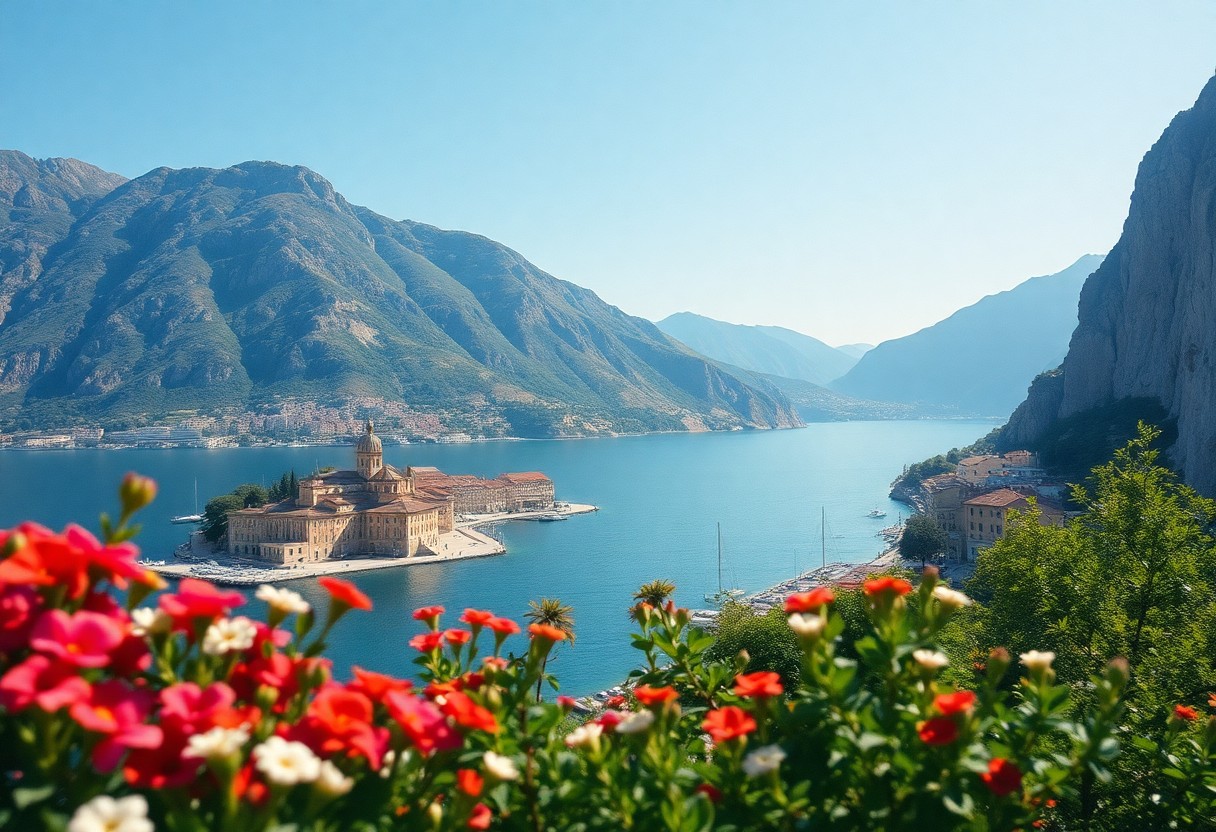
Kotor: An Instagrammer’s Dream Destination
Kotor’s blend of medieval charm and stunning natural landscapes creates scenes that practically beg to be captured. The intricate stonework of its fortified walls frames dazzling views of the Bay of Kotor’s deep blue waters, providing an endlessly photogenic backdrop. As you wander cobbled streets lined with bright bougainvillea and historic churches, every corner offers a new composition. From sunrise over the fortress to lively markets and hidden alleyways, Kotor effortlessly combines history and beauty, making it a paradise for your Instagram feed.
Unique features that make Kotor share-worthy
Stone ramparts rising dramatically from the sea, narrow labyrinthine alleys lit by golden light, and the backdrop of craggy mountains create an architectural story book you can explore visually. The UNESCO-listed old town boasts exquisite Venetian-era palaces alongside vibrant cafés where locals gather. The contrast between ancient stonework and lush greenery forms striking images. Plus, the shimmering bay, vivid sunset hues, and traditional wooden boats effortlessly turn snapshots into timeless, shareable moments few other destinations can match.
The vibrant local culture perfect for social media narratives
Immersing yourself into Kotor’s lively traditions brings an authentic dimension to your posts. Seasonal festivals filled with folk music, open-air markets showcasing local crafts, and bustling taverns featuring traditional Montenegrin cuisine provide rich storytelling material. Connected to both Mediterranean and Balkans heritage, Kotor offers colorful customs such as the annual Bokelj Navy Day that showcase community pride and history. Engaging with locals who share tales of maritime history or culinary secrets enriches your content with genuine human connection.
Dive deeper into Kotor’s cultural tapestry by attending the vibrant events year-round where locals celebrate centuries-old maritime heritage and folklore. The Bokelj Navy Day, usually held in June, features traditional naval parades, music, and dance, allowing you to capture powerful, moving scenes that speak to Kotor’s seafaring legacy. Additionally, artisan markets burst with handcrafted souvenirs, like lace and ceramics, creating unique props and backdrops for your visuals. Conversations with vendors and performers add narrative layers to your content, letting you tell engaging stories that resonate beyond a simple photo.
A Deep Dive into Kotor’s Rich Historical Tapestry
As you explore Kotor, you’ll uncover centuries of history woven into its streets and fortifications. From Roman settlements through Venetian rule to Ottoman influences, each era has left a distinct mark. Wandering the ancient walls or pausing by centuries-old churches, you might visualize knights and merchants who shaped this vibrant Mediterranean hub. The layered history enriches every corner, offering a time capsule that invites you to trace the evolution of architecture, culture, and trade that made Kotor an vital Adriatic stronghold.
Architectural highlights of the Old Town and their stories
Within Kotor’s Old Town, you’ll find architectural gems like the Cathedral of Saint Tryphon, with its Romanesque facade dating back to 1166, illustrating medieval religious influence. The 16th-century Sea Gate and the Clock Tower reflect Venetian defensive design and civic pride. Baroque palaces and narrow cobbled streets reveal merchant wealth and urban development, while fortifications rising steeply above the town narrate centuries of battle and resilience. Each structure tells a unique story that transports you to a different epoch.
Significance of Kotor’s UNESCO World Heritage status
Kotor’s inscription as a UNESCO World Heritage Site recognizes its outstanding universal value, particularly its remarkably preserved medieval architecture combined with its stunning natural setting. This status highlights Kotor’s unique cultural landscape where fortifications masterfully blend with the dramatic Bay of Kotor, preserving a harmonious example of human interaction with the environment. You’ll witness first-hand how this designation supports ongoing preservation efforts, keeping the essence of Kotor alive for future generations to marvel at.
Beyond honoring its aesthetic and historical importance, Kotor’s UNESCO status has galvanized conservation projects protecting its ancient walls and churches from natural decay and human impact. The international recognition also encourages sustainable tourism practices that balance visitor interest with safeguarding the town’s character. As you stroll through the atmospheric streets, you engage with a living heritage site where the global community’s appreciation fuels both pride and responsibility for protecting Kotor’s authentic character.
Snap-Worthy Locations You Can’t Miss
Kotor offers a visual feast around every corner, effortlessly charming you with its ancient architecture and stunning natural backdrops. From serene seaside views to the historic aura enveloping its streets and plazas, every spot invites you to pause and capture your own piece of Montenegrin magic. You’ll find that these photo opportunities not only enhance your album but deepen your connection with this enchanting town.
Exploring the charm of Old Town’s cobblestone streets
Wandering through the labyrinth of Kotor’s Old Town, you step back in time along narrow cobblestone streets flanked by limestone walls and colorful shutters. Sunlight filters through overhead vines while cozy cafes and artisan shops beckon you to linger. The interplay of light and shadow creates perfect settings for candid shots that convey both history and daily life, allowing your photos to tell authentic stories from the heart of Kotor.
The adventure of climbing the city walls for breathtaking views
Ascending the ancient city walls reveals spectacular panoramic vistas that reward your effort with sweeping views of Kotor’s terracotta rooftops and the shimmering Bay of Kotor beyond. The climb itself, involving steep steps carved from stone, immerses you in centuries-old defenses, leading to unforgettable angles for photos that capture the dramatic contrast between urban charm and natural splendor.
Taking on the climb to the fortress at the top of the city walls, you engage physically and visually with Kotor’s heritage. Along the way, lookout points appear where you can pause to appreciate the cascading houses below or the dramatic fjord-like bay stretching outwards. Early morning or late afternoon light amplifies the scene’s vibrancy, offering you unique frames that showcase the town’s blend of rugged terrain and architectural elegance with minimal crowds.
Iconic spots: St. Tryphon Cathedral and bustling local markets
The twin bell towers of St. Tryphon Cathedral rise majestically above the Old Town, forming striking backdrops for photos with their Romanesque design and intricate facade. Nearby, the lively local markets buzz with energy, colors, and textures – from fragrant spices to artisanal crafts. Capturing these scenes puts you at the heart of local culture and spirituality, enriching your visual storytelling with authenticity and vibrancy.
St. Tryphon Cathedral, dating back to the 12th century, offers architectural details worthy of close examination, including frescoes and stone carvings rarely photographed in conventional postcards. Meanwhile, the nearby markets brim with life, where vendors present fresh produce and handmade goods against the worn stone pavement, creating dynamic compositions for your camera. Engaging with vendors and locals can add spontaneous human moments to your shots, enhancing your collection with genuine warmth and cultural depth.
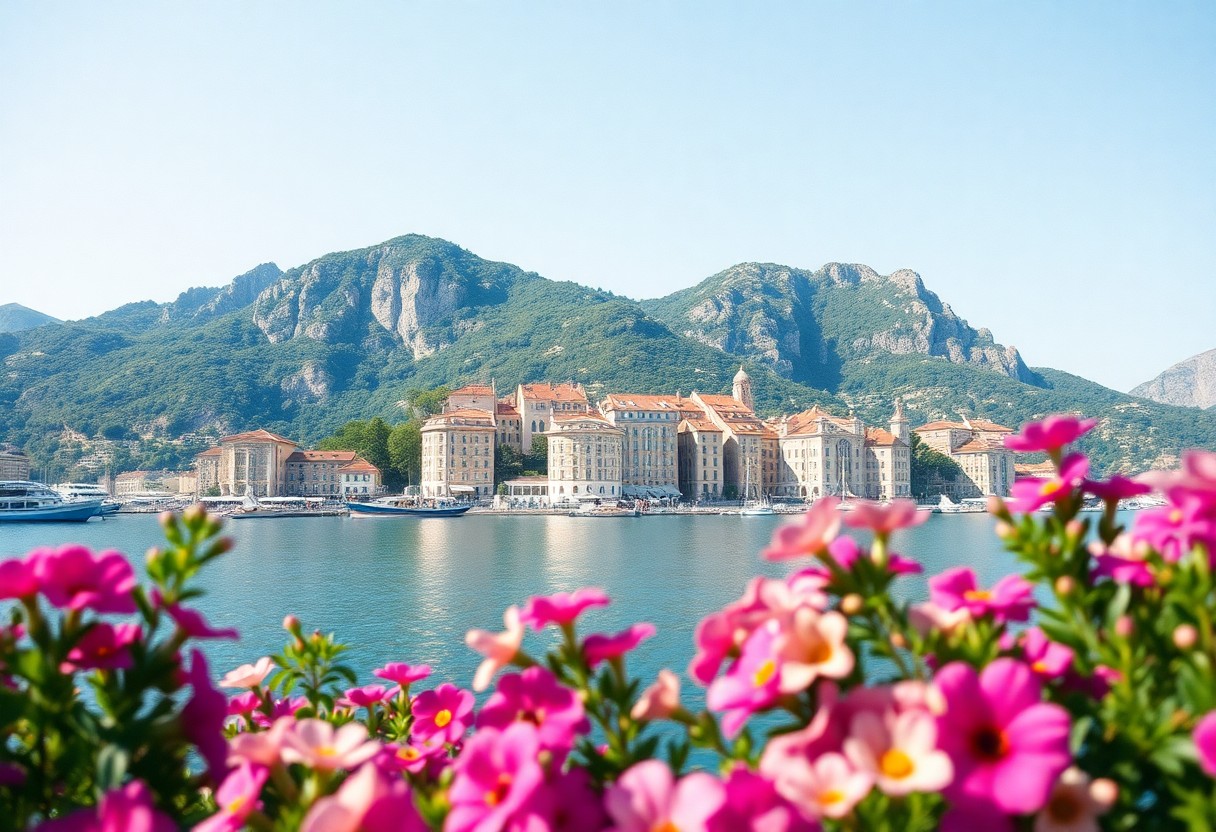
Timing Your Visit for Optimal Photos and Experience
Playing with light and avoiding the tourist rush can transform your experience in Kotor. The early morning mist or late-afternoon glow highlights the medieval walls and serene bay in spectacular ways. Weekdays, particularly outside the peak summer months of July and August, tend to be quieter, allowing you to capture Kotor’s charm undisturbed. Taking advantage of off-peak hours grants you more intimate frames and a relaxed exploration pace. Weather patterns also matter—visiting in spring or early autumn offers softer light and pleasant crowds. Planning carefully ensures your snaps and memories are impeccable and stress-free.
Golden hour photography tips for stunning visuals
Golden hour, occurring roughly an hour after sunrise and before sunset, bathes Kotor in warm, diffused light perfect for photos. Position yourself so the sun is to your side to enhance textures on the old stone buildings and the cobbled streets. Use the bay’s reflective water surface to create dynamic compositions or capture silhouettes of the city walls against colorful skies. In Kotor’s narrow alleys, seek sunlight streams weaving through the shadows for dramatic contrasts. Thou should experiment with different angles and lens focal lengths to maximize this magical light window.
Strategies for avoiding the crowds during peak tourist times
Choosing lesser-known viewpoints like the fortress steps before dawn or exploring side streets behind the main squares lets you steal moments of solitude away from packed tourist hubs. Avoid midday rushes at popular sites by scheduling visits early or late in the day. Lean on local guidance for hidden cafes or secluded bay spots popular with photographers but overlooked by large groups. Planning weekday excursions during shoulder seasons like May or September also dramatically reduces crowd exposure. Thou will find more authentic interactions and clearer shots, enhancing your Kotor experience.
Given Kotor’s popularity, crowds can overwhelm key areas, particularly during midday in summer. Staying overnight within the Old Town or nearby villages puts you within easy reach for early starts and late explorations before groups arrive or linger. Consider booking guided tours that operate during off-peak hours or opt for exploring on foot instead of by boat, which can bring large tourist clusters simultaneously. You might explore the less visited Perast or Dobrota villages for quieter atmosphere while still capturing stunning bay vistas. Such timing and location choices unlock tranquil, picture-perfect moments otherwise hidden amid the throngs.
Immersive Local Experiences That Enrich Your Travel
Beyond capturing postcard-perfect moments, Kotor invites you to investigate its rich culture through hands-on experiences. Wander traditional markets, chat with artisans, and join workshops that reveal centuries-old crafts. These moments deepen your connection to the city, transforming your visit from a photo op into a meaningful journey. For a curated plan combining top sights and authentic stops, Discover the Beauty of Montenegro: Your 5-Day Itinerary to uncover the region’s hidden gems.
Savoring traditional Montenegrin cuisine in local cafes
Local cafes in Kotor serve up a rich tapestry of flavors, from hearty Njeguški pršut (smoked ham) to creamy kacamak (cornmeal dish). Sampling these dishes surrounded by rustic stone walls immerses you in the town’s culinary heritage. Pair your meal with a glass of Vranac wine, highly regarded in Montenegro. Each bite connects you to centuries of tradition, turning food into more than sustenance—it becomes an crucial part of your travel story.
Engaging with Kotor’s festivals and cultural celebrations
Kotor’s vibrant festivals offer an authentic window into local life, lighting up the city with music, dance, and folklore. Events like the Summer Carnival transform historic streets into lively stages where tradition and joy blend seamlessly. Attending these gatherings lets you experience Kotor’s spirit firsthand while capturing dynamic scenes for your collection.
With events such as the Kotor Carnival, held every July, expect to be swept up in a spectacle of bubbling energy featuring parades, concerts, and street performances. The Boka Night, celebrating maritime heritage, is another highlight that showcases local customs through boat regattas and festive dinners. Participating in these events unveils layers of Kotor’s identity and invites you to become part of its living history, enriching your visit beyond the typical landmarks.
Mastering Photography in Kotor
Your visit to Kotor transforms into a photographic adventure filled with captivating medieval streets and breathtaking bay views. Unlock the town’s full visual potential by selecting the right gear and refining your shooting techniques. The interplay of natural light with ancient stone walls and sparkling water offers unique opportunities to capture truly immersive images that convey Kotor’s timeless atmosphere. Channel your creativity to frame shots that highlight textures, perspectives, and reflections, elevating each photo into an evocative storytelling piece.
Essential camera settings and lenses for capturing historic sites
Opt for a wide-angle lens (14-24mm) to embrace Kotor’s fortified walls and narrow alleys, squeezing more architectural grandeur into your frame. A low ISO around 100 to 200 ensures rich detail without noise, especially in daylight. Use aperture settings between f/8 and f/11 to achieve deep focus, keeping both foreground textures and distant ramparts crisp. Manual focus lets you fine-tune sharpness where auto modes might struggle in shadowed nooks. Bracketing exposure captures the full dynamic range, useful for later HDR processing, especially at dusk.
Techniques for photographing the stunning bay reflections
Find early morning or late afternoon light to catch Kotor Bay’s tranquil surfaces mirroring the town’s ancient architecture and rugged hills. Adjust your shutter speed to 1/125s or slower with a tripod for silky water reflections, while a polarizing filter reduces glare and enriches colors. Frame the shot symmetrically, aligning horizon and buildings for a mirror effect that doubles the visual impact. Experiment with vertically oriented compositions to combine reflections and sky, emphasizing the bay’s serene depth.
Delving deeper into bay reflections, timing proves everything. The calmest waters occur right after sunrise or before sunset when winds retreat, allowing pristine reflections. At these times, the warm golden light bathes the stone walls, enhancing color and texture in both the actual structures and their mirrored images. Using a tripod stabilizes your camera for longer exposures that sharpen the reflection without blur. Also, scout vantage points atop Kotor’s city walls or the nearby fort to create layered compositions that incorporate water, medieval architecture, and surrounding mountains, crafting a mesmerizing visual narrative that captures Kotor’s essence.
Practical Travel Strategies for an Enjoyable Visit
Navigating to and around Kotor effortlessly
Reaching Kotor is straightforward via Tivat Airport, just 9 km away, with frequent shuttle buses connecting to the Old Town. For exploring nearby gems like Perast or Budva, local buses run regularly and offer a scenic, cost-effective route. Renting a scooter or bike simplifies navigating Kotor’s narrow streets and surrounding hills, giving you flexibility during golden hour photoshoots. Taxis are available but best reserved for late evenings or when carrying gear, ensuring you maximize daylight for capturing the bay’s breathtaking views.
Lodging near key photography hotspots
Choose accommodations within or close to the Old Town walls to be steps away from Kotor’s most picturesque sites like the Maritime Museum and St. Tryphon Cathedral. Boutique hotels like Hotel Astoria provide stunning rooftop terraces ideal for sunrise shots, while guesthouses along the city walls offer intimate views of the bay. Staying near the ancient city gates shortens your commute to the hiking trail up to St. John’s Fortress, allowing you to capture panoramic shots at dawn without hassle.
Many lodgings boast local character that enriches your experience—Hotel Monte Cristo, for example, sits just minutes from the waterfront, combining modern comfort and historic charm. Booking early secures prime rooms with balconies overlooking the bay, perfect for golden hour reflections on the water. Additionally, some hotels partner with local guides who can tailor photography tours, helping you discover lesser-known angles and hidden vintage corners, enhancing your Instagram feed with unique captures beyond the typical tourist snapshots.
Conclusion
Presently, discovering Kotor, Montenegro offers you an unparalleled opportunity to capture stunning and unique Instagrammable moments. This hidden gem combines historic charm, breathtaking landscapes, and vibrant local culture, ensuring your photos stand out and your experience is unforgettable. By exploring Kotor, you not only enrich your travel memories but also share an extraordinary story with your followers. Embrace this destination, and let your journey reveal the captivating beauty that few have uncovered.
Q: What makes Kotor, Montenegro an ideal destination for Instagram photos?
A: Kotor boasts a stunning blend of medieval architecture, dramatic fjord-like bay views, and charming narrow streets. The well-preserved Old Town offers picturesque squares, ancient city walls, and colorful buildings with balconies draped in flowers, making every corner highly photogenic for unique Instagram content.
Q: When is the best time to visit Kotor to capture the most beautiful photos?
A: The best time to visit Kotor for photography is during the spring (April to June) and early autumn (September and October). During these periods, the weather is pleasant, the light is soft and flattering, and the town is less crowded, allowing for more peaceful and vibrant shots without large tourist crowds.
Q: Which spots in Kotor should travelers not miss for the perfect Instagram shot?
A: Key spots include the Kotor Fortress overlooking the bay, providing panoramic views of the town and sea; the St. Tryphon Cathedral in the Old Town for its Romanesque architecture; the Bay of Kotor’s waterfront promenade for capturing reflections and sunsets; and the hidden alleys adorned with local shops and cafes for authentic street photography.
Q: How can visitors best explore Kotor to find hidden gems suitable for social media posts?
A: Visitors should take time to wander off the main tourist paths and explore the narrow alleyways within the Old Town, visit small local markets, and hike up to nearby viewpoints like the Ladder of Kotor. Joining a guided walking tour can also help uncover lesser-known spots that offer unique photo opportunities.
Q: Are there any local customs or guidelines to follow while photographing in Kotor?
A: While photographing, it’s polite to ask permission before taking portraits of local people or entering private properties. Respect the preservation rules within historic sites and avoid climbing on ancient walls or structures. Additionally, being mindful of quiet areas and religious locations will ensure a pleasant experience for both visitors and residents.
- https://travellersguides.com/colchagua-valley-a-wine-lovers-paradise/
- https://www.winetourism.com/wine-appellation/colchagua-valley/
- https://www.wineenthusiast.com/culture/wine/colchagua-valley-chile-wine-guide/
- https://www.wine-searcher.com/regions-colchagua+valley
- https://www.winetravelguides.com/chile/central-valley/colchagua-valley-central-valley/
- https://colchaguawinetours.com
- https://www.tripadvisor.com/Attraction_Review-g303682-d1903897-Reviews-Colchagua_Wine_Lovers-Santa_Cruz_O_Higgins_Region.html
- https://www.reddit.com/r/wine/comments/1g64iob/colchagua_valley_cruisin/
- https://www.chileofftrack.com/shop/colchagua-wine-dine-chile/
- https://talesfromthelens.com/cycling-wine-tasting-colchagua-valley-chile/
- https://aroundtheworldin80harvests.com/2018/10/27/wine-guide-to-alto-colchagua/