
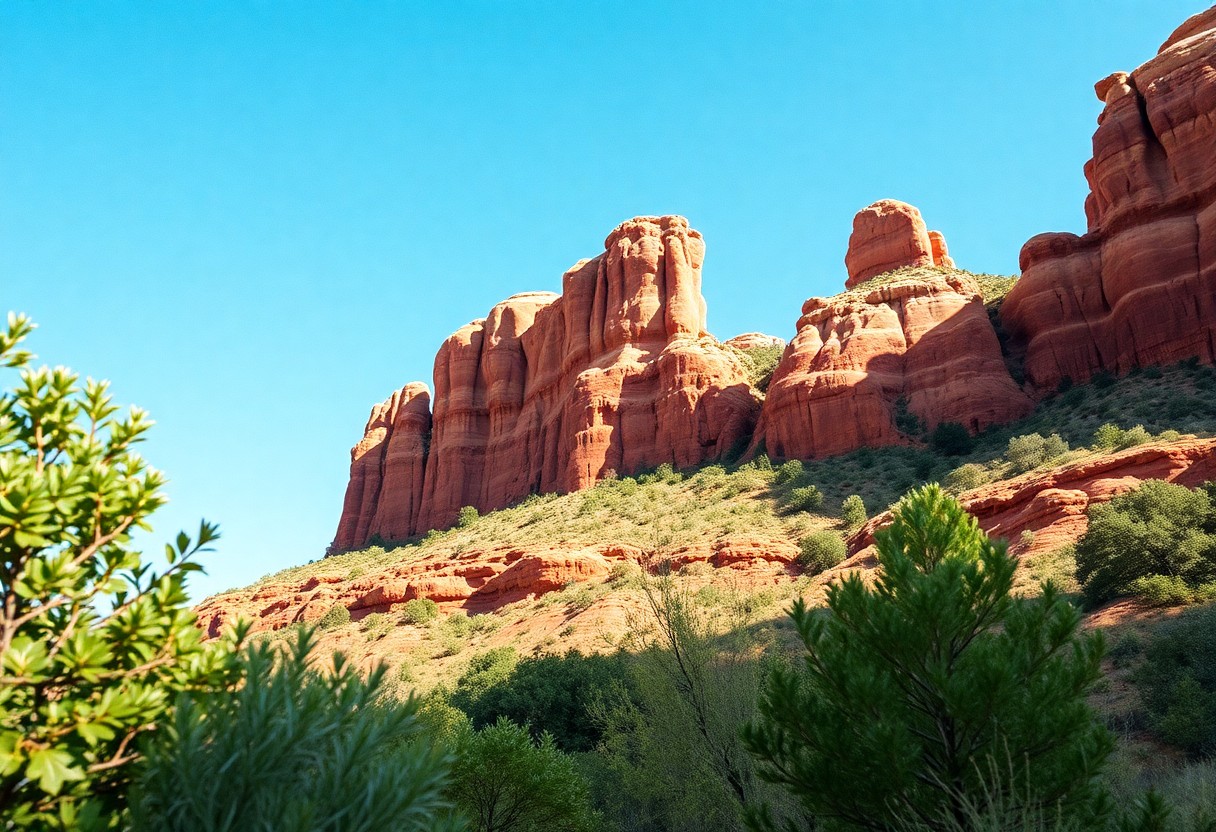
Most visitors agree that Sedona’s striking red rock formations create some of the most breathtaking and photogenic landscapes in the USA. When you explore this captivating region, you’ll find vibrant scenery perfect for capturing stunning photos and experiencing nature’s artistry firsthand. Whether hiking scenic trails or marveling at panoramic vistas, your journey through Sedona will reveal unique geological wonders and a rich natural beauty that’s truly unmatched. Prepare to immerse yourself in a landscape that promises unforgettable views and exceptional photo opportunities at every turn.
Key Takeaways:
- Sedona, Arizona is renowned for its stunning red rock formations, making it one of the most photogenic landscapes in the USA.
- The area offers diverse outdoor activities such as hiking, mountain biking, and jeep tours that highlight its natural beauty.
- Sedona’s vibrant arts community and unique cultural experiences add to its appeal for visitors.
- The scenic vistas and dramatic rock formations provide ideal settings for photography enthusiasts of all skill levels.
- Accessible from nearby cities like Phoenix, Sedona is a popular destination for both day trips and extended vacations.
The Natural Wonders of Sedona
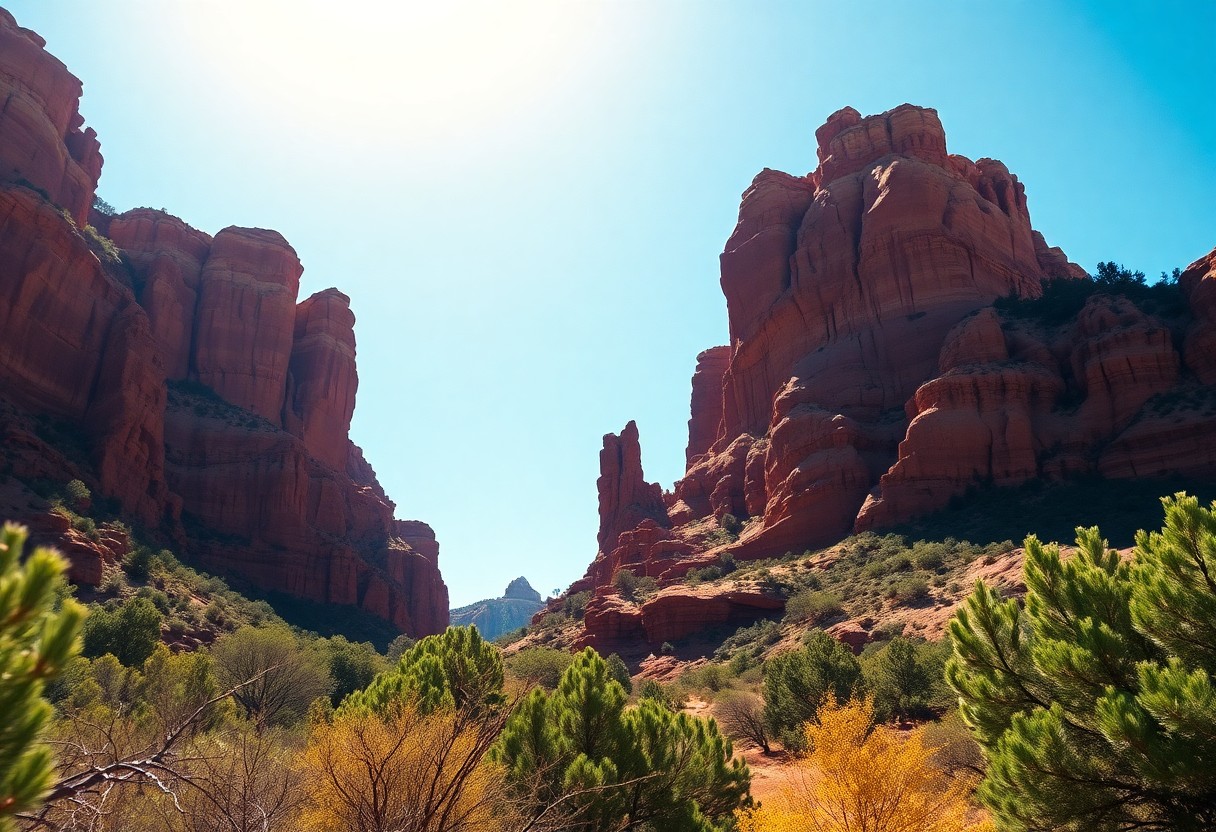
The striking red rock formations around Sedona provide a backdrop like no other, inviting you to explore a multitude of natural wonders. You’ll encounter winding canyons, towering cliffs, and vibrant sandstone spires shaped by millions of years of geological processes. The diverse flora and fauna add rich colors and dynamic textures, bringing life to your compositions. Sedona’s natural beauty offers endless opportunities to capture the interplay of sunlight and shadow, creating dramatic scenes that change throughout the day.
The Geological Marvels: Formation and Features
You’ll find that Sedona’s iconic red rocks are primarily composed of sandstone, shaped through sedimentation, uplift, and erosion over 300 million years. These layers showcase distinct hues of red due to iron oxide, with formations like Cathedral Rock and Bell Rock exemplifying the region’s unique erosion patterns. The stunning hoodoos and mesas provide varied shapes and angles, challenging and inspiring your photographic creativity.
The Climate’s Role in Landscape Photography
Sedona’s semi-arid climate offers typically clear skies and abundant sunlight, vital for vibrant and crisp landscape photography. The intense light between 10 a.m. and 3 p.m. emphasizes the red hues but can also create harsh shadows, so shooting during golden hours enhances color depth and softness. Seasonal shifts, including brief monsoon storms in summer, add dramatic skies and moisture that enrich the landscape’s saturation, ideal for capturing dynamic weather contrasts.
The interplay between Sedona’s climate and its red rock landscapes can dramatically influence your photographic results. Early mornings bring cool temperatures and soft, diffused light, ideal for capturing mist over Oak Creek or subtle textures on rock formations. In contrast, the autumn months often present vibrant foliage against the sandstone backdrop, contrasting sharply under clear blue skies. While monsoon season’s sudden storms introduce unpredictable lighting, they also create opportunities for striking thundercloud compositions and intensified colors post-rain, making timing your shoots around weather forecasts a rewarding strategy.
Iconic Landmarks Every Photographer Must Capture
In Sedona, specific landmarks stand out as vital subjects for photography. These formations marry dramatic shapes with rich, natural hues that shift with the light throughout the day. Whether you’re drawn to soaring spires, massive red sandstone buttes, or tranquil water-carved canyons, each landmark offers a unique challenge and reward. Your portfolio will benefit from the diversity of textures, angles, and light interplay these locations provide, ensuring your images capture the essence of Sedona’s red rock majesty.
Cathedral Rock: A Study in Light and Shadow
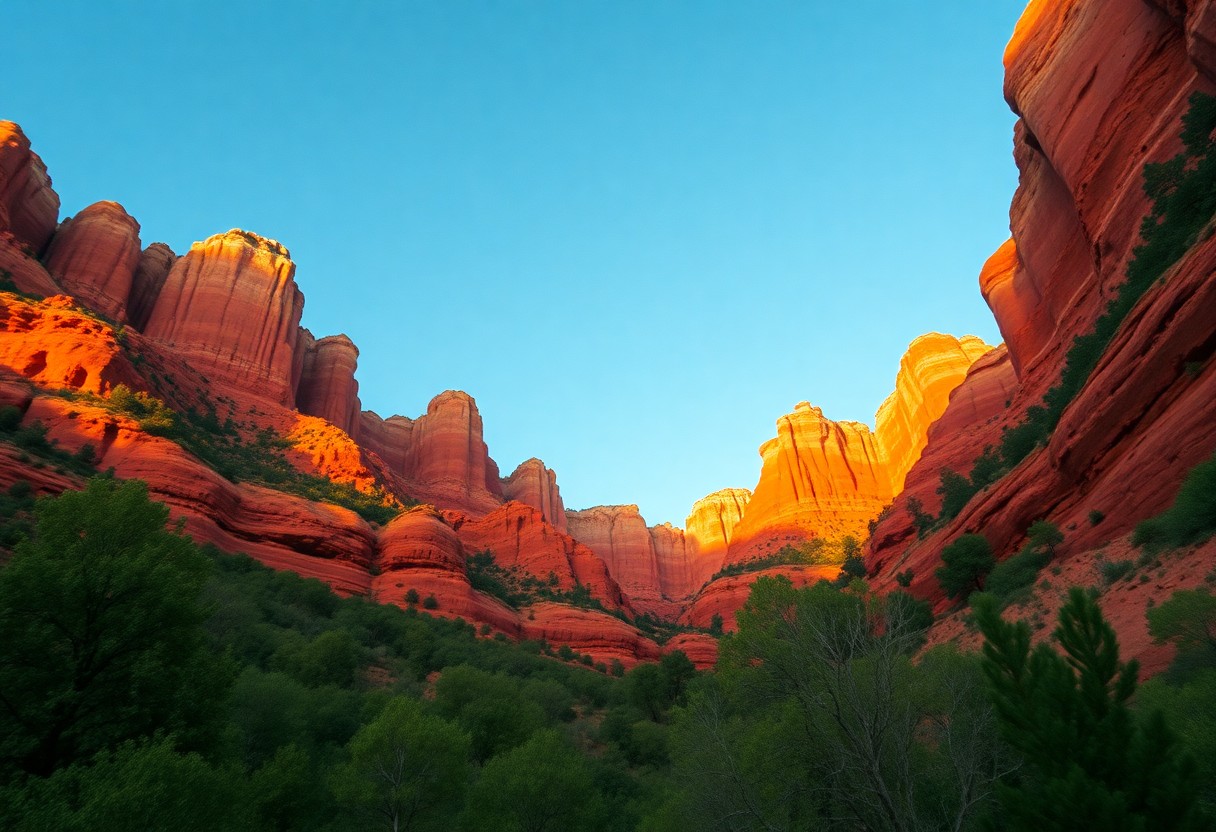
Cathedral Rock demands your attention with towering spires that cast intricate shadows, especially during sunset when the rocks blaze in fiery reds and oranges. Capturing the contrast between the illuminated ridges and shaded crevices reveals the formation’s dramatic depth and scale, turning a simple landscape into a powerful visual narrative.
Bell Rock: The Perfect Frame for Vibrant Colors
Bell Rock’s broad, rounded silhouette serves as an ideal focal point for vibrant sunrise and sunset shots. The way the early light warms the rock’s surface injects vivid reds and pinks into your images, while its accessibility allows exploration of various compositions, from close-up texture captures to expansive panoramic views.
Delving deeper, Bell Rock offers photographers versatility unmatched by many formations. Hiking around its base reveals multiple vantage points where you can experiment with foreground elements like desert wildflowers or winding trails, adding layers to your composition. The clarity of the sky and shifting cloud patterns here amplify the dramatic color gradients, making Bell Rock a playground for those seeking to capture both subtle and bold tones.
Oak Creek Canyon: Nature’s Serene Palette
Oak Creek Canyon presents a contrast to the stark red rock, offering a lush corridor of green that complements the surrounding sandstone cliffs. The interplay of water, trees, and rock formations creates serene reflections and soft, diffused lighting perfect for capturing peaceful, intimate landscapes.
Exploring deeper into Oak Creek Canyon, you’ll find opportunities to frame shots with rich foliage in the foreground and towering cliffs beyond, enhanced by seasonal color changes—vivid autumn leaves or vibrant spring blooms. The gently flowing creek introduces dynamic elements like ripples and reflections, inviting you to slow down and uncover the quiet moments within Sedona’s dramatic geology.
Timing is Everything: Optimal Photography Conditions
Capturing Sedona’s vibrant red rocks at their most striking relies heavily on timing. Early mornings often deliver clear skies and softer shadows, lending depth to jagged cliffs, while late afternoons highlight the terrain’s rich hues as sunlight slants across the formations. Midday sun tends to flatten shadows but can still emphasize vibrant colors with the right lens filters. Keep an eye on weather patterns as well; occasional monsoon storms bring dramatic skies that contrast beautifully with the red rocks, providing a different but equally captivating photographic story.
The Magic of Golden Hour: Sunrise and Sunset
Sunrise and sunset in Sedona bathe the landscape in golden and amber tones that enhance every contour of the red rocks. The brief window—roughly 30 minutes after sunrise and before sunset—softens shadows and intensifies warm colors, creating images with a naturally rich palette. Iconic spots like Cathedral Rock and Bell Rock glow with fiery brilliance, so positioning yourself to capture these formations against a colorful sky elevates your shots dramatically. Timing your hike or drive to these vantage points around golden hour pays off with mesmerizing results.
Seasonal Insights for Diverse Imagery
Sedona’s changing seasons offer unique photographic opportunities, each shifting the mood and colors of the red rock landscape. Winter’s low-angle sun creates elongated shadows and crisp air, while spring’s wildflower blooms add contrasting colors to the rocky backdrop. Summer monsoons bring dramatic storm clouds that often diffuse light, producing softer, more mystical photos. Fall’s warm afternoons and clear skies enhance the orange and rust tones, ideal for vibrant, high-contrast shots. Planning visits during different seasons unlocks varied palettes and atmospheres for your portfolio.
Diving deeper into seasonal photography, winters can surprise with occasional snow dusting the red rocks, a rare but stunning contrast you won’t want to miss. Spring’s blooming cacti and desert marigolds introduce pops of green and yellow, softening the intense reds. Summer offers afternoon thunderstorms that often result in dynamic cloudscapes with sunlight breaking through, lending your images dramatic lighting and mood. By fall, cooler temperatures invite longer hikes, letting you explore less crowded trails and capture the golden-hued landscape at leisure, perfect for both wide-angle panoramas and detailed close-ups.
Engaging Local Experiences Beyond the Lens
Exploring Sedona isn’t just about capturing stunning photos; immersing yourself in the local culture and atmosphere adds a memorable dimension to your trip. From spiritual vortex sites to vibrant art galleries and thrilling jeep tours, each experience offers fresh perspectives of the region’s natural beauty and creative spirit. You’ll find that engaging with these local attractions deepens your appreciation for the landscapes, encouraging you to see Sedona through a different lens—one that blends energy, artistry, and adventure in unforgettable ways.
Exploring Vortex Sites: Energy and Atmosphere
Vortex sites like Bell Rock, Cathedral Rock, and Airport Mesa pulse with unique energy believed to promote healing and spiritual renewal. Standing at these iconic spots, you can feel an unusual sense of calm mixed with invigorating energy, making them ideal for meditation or reflection. The swirling red rock formations serve as a backdrop to your experience, enhancing the spiritual atmosphere that many visitors describe as transformative, offering both profound peace and inspiration just steps away from the tourist trails.
Art Galleries: The Intersection of Nature and Creativity
Sedona’s art galleries showcase how the dramatic landscapes inspire a diverse array of creative expressions—from vibrant paintings and sculptures to exquisite jewelry crafted by local artisans. You can wander through galleries such as the Tlaquepaque Arts & Shopping Village, where the interplay of light and shadow from the red rocks echoes in the galleries’ vibrant colors and textures. Exhibits often capture the ethereal beauty of the desert, inviting you to connect with Sedona not only visually but emotionally as well.
Beyond the galleries’ beautifully curated displays, you have the opportunity to meet the artists themselves during open studio events and workshops. This personal connection reveals stories behind the artwork, many influenced by the distinctive Sedona climate and terrain. Learning about the creative process grounded in the local environment enriches your visit, as you witness firsthand how nature continuously fuels Sedona’s artistic soul.
Adventure Awaits: Sunset Jeep Tours for Unique Angles
Sunset jeep tours carve through rugged trails, delivering panoramic views of Sedona’s red rocks flooded with golden light. You’ll discover vantage points inaccessible by foot or vehicle, offering unparalleled photographic opportunities that play with shadows and colors as daylight fades. These guided adventures not only hint at the geology and history of the region but also add a thrill that sharpens your senses, making each snapshot feel alive with motion and atmosphere.
Opting for a sunset tour means witnessing the transforming hues of the rocks—from fiery oranges to deep purples—while you navigate diverse terrains in specially equipped 4×4 vehicles. Guides share local legends and ecological insights, turning the ride into an immersive storytelling experience. This dynamic approach to exploring Sedona highlights why its landscapes aren’t just static scenes but evolving masterpieces under shifting daylight.
Mastering Photography Techniques in Sedona
Shifting your focus to technique sharpens your eye for Sedona’s iconic vistas. Experiment with aperture settings—smaller apertures like f/11 to f/16 keep the entire scene crisply detailed. Employ a sturdy tripod to eliminate blur during slower shutter speeds common at dawn or dusk. Consider bracketing exposures to capture both the sunlit red rocks and shadowed valleys, then blend them for a balanced image. Assume that patience and practice at different times of day unlock the most dynamic captures of this endlessly photogenic landscape.
Composition Tips for Dramatic Landscapes
Shape the narrative within your frame by anchoring your photo with a strong focal point, such as Cathedral Rock or Bell Rock. Use leading lines—paths, ridges, or streams—to draw the viewer’s eye inward. The rule of thirds guides placement, but don’t hesitate to center a towering monolith if it amplifies drama. Watch how shadows shift, creating natural contrast and depth. Assume that varying your perspective, like shooting from a low angle or aerial vantage, transforms familiar scenes into fresh and arresting compositions.
Natural Color Enhancement: Equipment and Settings
Opt for a polarizing filter to deepen Sedona’s blue sky and saturate the red rocks without artificial tweaking. Adjust your white balance to “cloudy” or “shade” to warm the tones, mimicking the golden hour’s glow anytime. Shooting in RAW allows you to fine-tune these colors in post-processing while maintaining image quality. Assume that mastering these settings elevates your photos beyond snapshots, capturing the authentic brilliance of Sedona’s palette.
Beyond filters, your lens choice impacts color fidelity and clarity; prime lenses generally yield richer details than zooms. Manual exposure lets you dodge overexposed highlights, common under midday sun reflecting off sandstone. Bracketing or using a graduated neutral density filter balances bright skies with darker landforms. Coupled with your camera’s color profiles and raw files, these tools help render the vivid reds, oranges, and purples that define Sedona’s landscape precisely as your eyes perceive them.
Travel Essentials: Getting to Sedona and Staying Close
Navigating to Sedona: Best Routes and Transportation
Driving into Sedona offers breathtaking views, especially if you take the scenic route via Oak Creek Canyon from Flagstaff on Highway 89A. The nearest major airport is Phoenix Sky Harbor International, about two hours south, where car rentals provide the most flexible options. If you prefer public transportation, shuttle services run regularly between Phoenix and Sedona. Once in town, ride-sharing apps and bike rentals make exploring the photogenic landscapes incredibly convenient.
Accommodations: Photo-Friendly Lodging Options
Choosing where to stay can greatly influence your photo opportunities. Boutique hotels like L’Auberge de Sedona nestle alongside Oak Creek, offering stunning creekside views right outside your room. For panoramic red rock vistas, consider places such as Enchantment Resort, perched in Boynton Canyon. Vacation rentals with floor-to-ceiling windows or outdoor decks provide a unique advantage for capturing sunrise and sunset shots without even leaving your lodging.
For the ultimate photography-focused stay, seek out lodgings that provide easy access to notable trails like Cathedral Rock or Bell Rock, reducing travel time to key shooting locations. Many resorts also feature guided photography tours or workshops, enhancing your experience. In addition, accommodations featuring dark skies certification help you capture Sedona’s famous star-filled nights, extending your photographic journey beyond daylight hours.
To wrap up
Drawing together your journey through Sedona, Arizona, you’ll find that its stunning red rock landscapes offer some of the most photogenic vistas in the USA. Whether you’re hiking, exploring art galleries, or simply soaking in the scenery, Sedona invites you to capture its unique beauty and create lasting memories. By visiting, you engage directly with nature’s artistry, making your experience both visually rewarding and personally enriching. Your adventure in Sedona promises incredible photographs and moments that highlight the awe-inspiring charm of this remarkable destination.
Q: What makes Sedona, Arizona’s red rock landscapes so photogenic?
A: Sedona’s red rock landscapes offer a unique combination of vibrant red sandstone formations, contrasted with blue skies and green vegetation. The interplay of natural light during sunrise and sunset enhances the rich colors and textures, making it an ideal location for photographers seeking dramatic and picturesque scenery.
Q: When is the best time of year to visit Sedona for photography?
A: The best times to visit Sedona for photography are during spring (March to May) and fall (September to November). During these seasons, the weather is mild, the skies are generally clear, and daylight hours provide optimal lighting conditions. Additionally, seasonal blooms in spring add color contrast to the red rocks.
Q: Which are some must-visit spots in Sedona to capture the iconic red rock formations?
A: Popular locations include Cathedral Rock, Bell Rock, and Devil’s Bridge. Each offers distinct vantage points and photo opportunities ranging from sweeping vistas to close-up rock details. The Airport Mesa and Oak Creek Canyon are also highly recommended for panoramic shots and varied perspectives.
Q: Are there any tips for photographing Sedona’s landscapes with varying light conditions?
A: Yes, shooting during the golden hours—early morning and late afternoon—can enhance the natural colors of the rocks. Using a tripod helps in low-light conditions for sharper images. Incorporating foreground elements like trees or water reflections can add depth, and experimenting with different angles can reveal unique compositions.
Q: What other activities in Sedona complement a photography-focused visit?
A: Visitors can enjoy hiking trails that provide access to scenic overlooks, jeep tours that take you closer to remote rock formations, and stargazing opportunities thanks to Sedona’s dark skies. Art galleries, local shops, and wellness centers also offer a cultural and relaxing balance alongside outdoor photography adventures.



3 thoughts on “Sedona, Arizona: Explore the Most Photogenic Red Rock Landscapes in the USA”
Comments are closed.