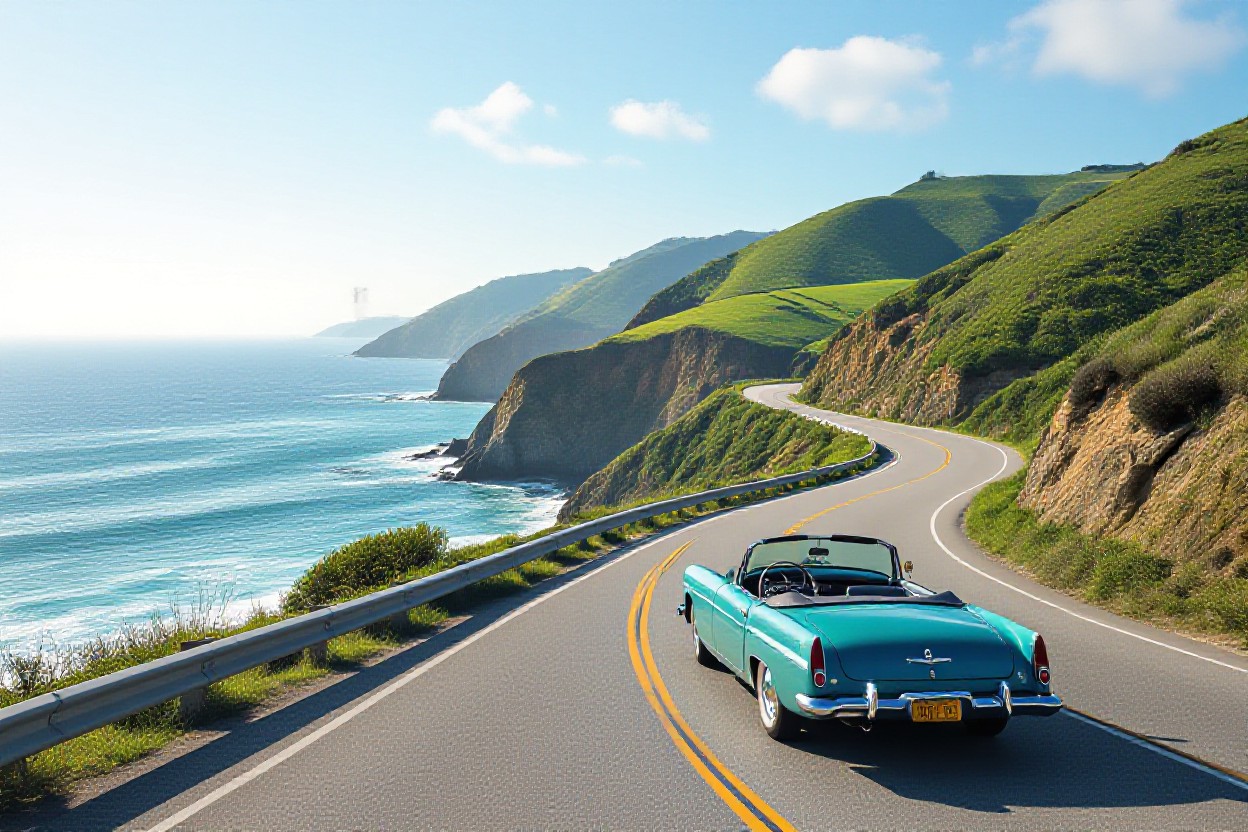
You will chase oceans, glaciers and iconic highways across ten unforgettable routes-from the Pacific Coast Highway to Canada’s Icefields Parkway-with concise highlights, timing tips and route notes so you can plan confidently; the guide also includes a Road trip safety & packing checklist to safeguard your journey and streamline your preparations.
Key Takeaways:
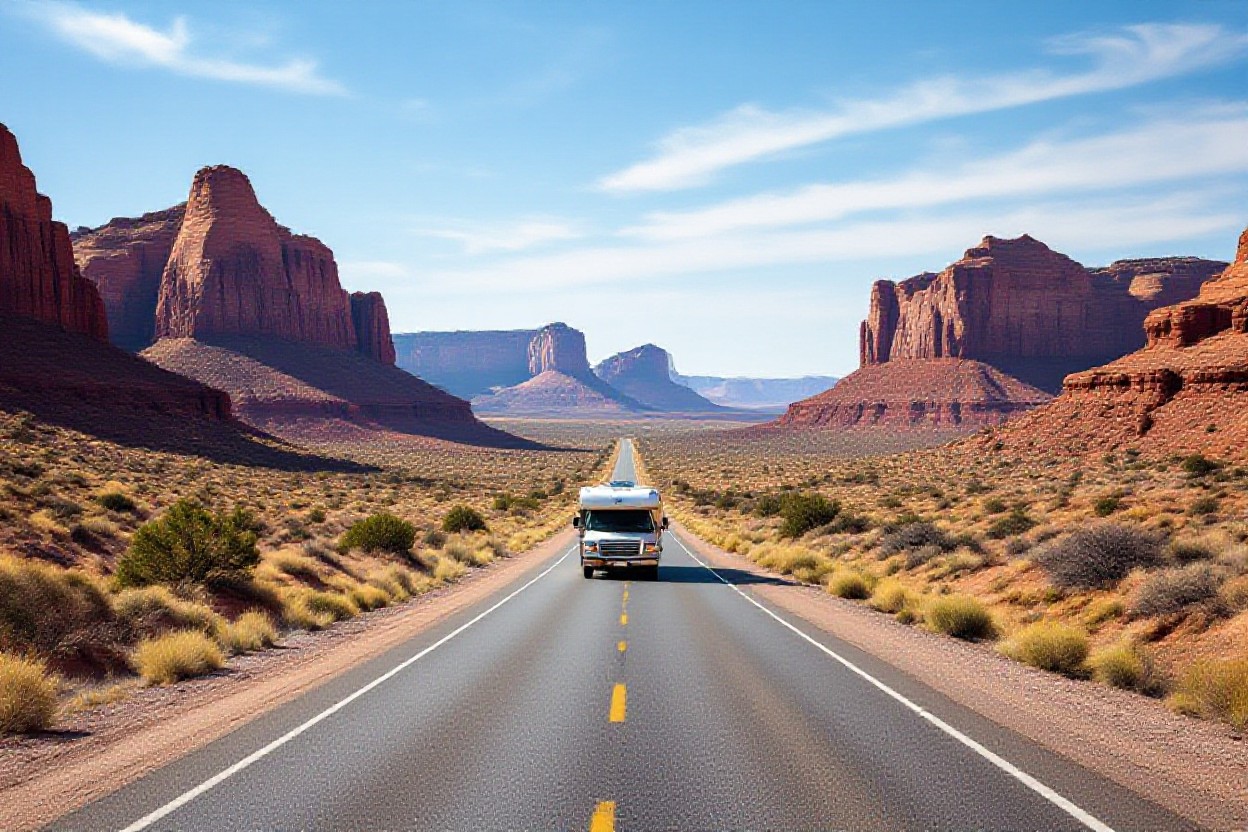
- These ten drives span coastlines, mountains, glaciers, rainforests and open highways-each offers a distinct mood and scenery, so pick routes that match your pace (scenic stops vs. long-distance cruising).
- Timing and vehicle choice matter: travel season, daylight hours and road conditions (narrow cliff roads, single-track Highland lanes, unsealed sections) determine whether a small car, SUV or camper is best.
- Must-see moments to prioritize: Pacific Coast sunsets, Great Ocean Road lookouts, Icelandic waterfalls and glaciers, Garden Route wildlife stops, Scottish castle coastlines, Amalfi cliff villages, Route 66 Americana, South Island fjords, Wild Atlantic Way cliffs, Icefields Parkway turquoise lakes.
- Road-trip safety & packing checklist: vehicle check and spare tire/jack; roadside kit (jumper cables, tow rope, warning triangle/flare); first-aid kit and basic tools; paper map/GPS and portable charger; extra water, nonperishable food, warm layers and rain gear; flashlight and batteries; copies of license, registration and insurance; emergency contacts and local emergency numbers; fuel plan and knowledge of remote stretch services.
- Travel smart: mix planned highlights with flexible detours, book high-season lodging ahead, support local businesses, obey local driving laws and allow extra time for photo stops and unexpected discoveries.
Pacific Coast Highway – USA
Overview
Stretching about 655 miles along California’s coastline, the Pacific Coast Highway threads cliffside roads, sea-spray vistas and seaside towns from Mendocino down to Dana Point. You should allow 3-5 days to savor the iconic Big Sur segment-roughly 90 miles-where the road hugs sheer bluffs. Expect narrow lanes, frequent pullouts for photos, and variable weather that shifts between foggy mornings and sunlit afternoons.
Key Highlights
You’ll cross the landmark Bixby Creek Bridge (built 1932), drive the dramatic Big Sur headlands, and view McWay Falls spilling onto a sandy cove. Other standout stops include the 17-Mile Drive and Pebble Beach, Hearst Castle at San Simeon, Monterey’s aquarium and whale-watching, plus Santa Barbara’s coastal wine routes and Malibu’s surf-lined avenues.
For example, arrive at Bixby for sunrise shots, then detour to Pfeiffer Beach for purple-hued sand and coastal arches; schedule a whale-watch from Monterey-gray whales migrate December-April-and stroll Point Lobos for tidepools. Overnight options range from cliffside campgrounds like Limekiln to boutique inns in Carmel, while Nepenthe and roadside pullouts serve memorable cliffside meals.
Road trip safety & packing checklist
Pack a spare tire, jack and jumper cables, a roadside kit and basic first-aid supplies, plus ample water, snacks, layered clothing and sun protection. Bring a reliable phone charger and portable battery, offline maps and cash, vehicle insurance/registration, and binoculars for wildlife. Check fuel levels-stations are sparse through Big Sur-and consult Caltrans for road conditions before you drive.
Great Ocean Road – Australia
Scenic Features
You’ll travel roughly 243 km of dramatic coastline where limestone stacks rise from the Southern Ocean, winds carve sheer cliffs and patches of cool temperate rainforest spill down to secluded beaches. Winding cliff-top sections around the Twelve Apostles alternate with tree-lined river valleys through the Otways, and surf breaks like Bells Beach add a raw, active edge to otherwise panoramic, camera-ready vistas.
Must-See Attractions
Priority stops include the Twelve Apostles-formed over millions of years and visible from multiple viewing platforms-Loch Ard Gorge with its shipwreck history, the Cape Otway Lighthouse (built 1848), and the Otway Fly Treetop Walk for canopy views. You should also detour to Kennett River for koala sightings and to Apollo Bay for fresh seafood and overnight options.
For planning, expect variable weather and narrow stretches; keep fuel topped up between towns, watch for wildlife at dawn and dusk, and pack water, sunscreen, a spare tire, warm layers, a basic first-aid kit, and a charged power bank. Stagger driving shifts if you can, allow extra time for lookouts, and book peak-season accommodation in Lorne or Apollo Bay at least weeks ahead.
Ring Road – Iceland
Stretching 1,332 km (828 miles), Iceland’s Ring Road (Route 1) threads you past waterfalls, glaciers and stark lava fields; you can loop it in 7-10 days to properly sample highlights like Seljalandsfoss, Skógafoss, Jökulsárlón and the Vatnajökull ice cap. Expect volatile weather and sudden detours-plan extra time for pauses at small towns such as Höfn and Akureyri, and for spontaneous stops when a glacier lagoon or puffin colony appears at the roadside.
Unique Landscapes
You’ll encounter black-sand beaches at Reynisfjara, the mossy Eldhraun lava plain, thundering canyon falls like Dettifoss and sculpted icebergs in Jökulsárlón-each landscape changes rapidly with light and weather. Driving from south to east, for example, moves you from coastal cliffs into the glacial outwash plains below Vatnajökull within an hour, offering stark photographic contrasts and ecological variety uncommon on other long drives.
Activity Suggestions
Book a guided glacier hike on Sólheimajökull, enter an ice cave near Vatnajökull in winter, spot whales from Húsavík or take a zodiac at Jökulsárlón, then unwind in geothermal baths like Mývatn Nature Baths; if you travel September-March you have a strong chance to see the northern lights. You should pace driving days to allow two or three activity slots per day without rushing the scenic stops.
For safety and comfort pack warm layers, a waterproof shell, sturdy boots and crampons for glacier work, plus spare tire, jumper cables, headlamp, power bank and offline maps; note fuel stations can be sparse-top up every 150-200 km-and a 4×4 is advised if you plan any F-road highland detours, while a local SIM or emergency beacon gives you coverage in remote stretches.
Garden Route – South Africa
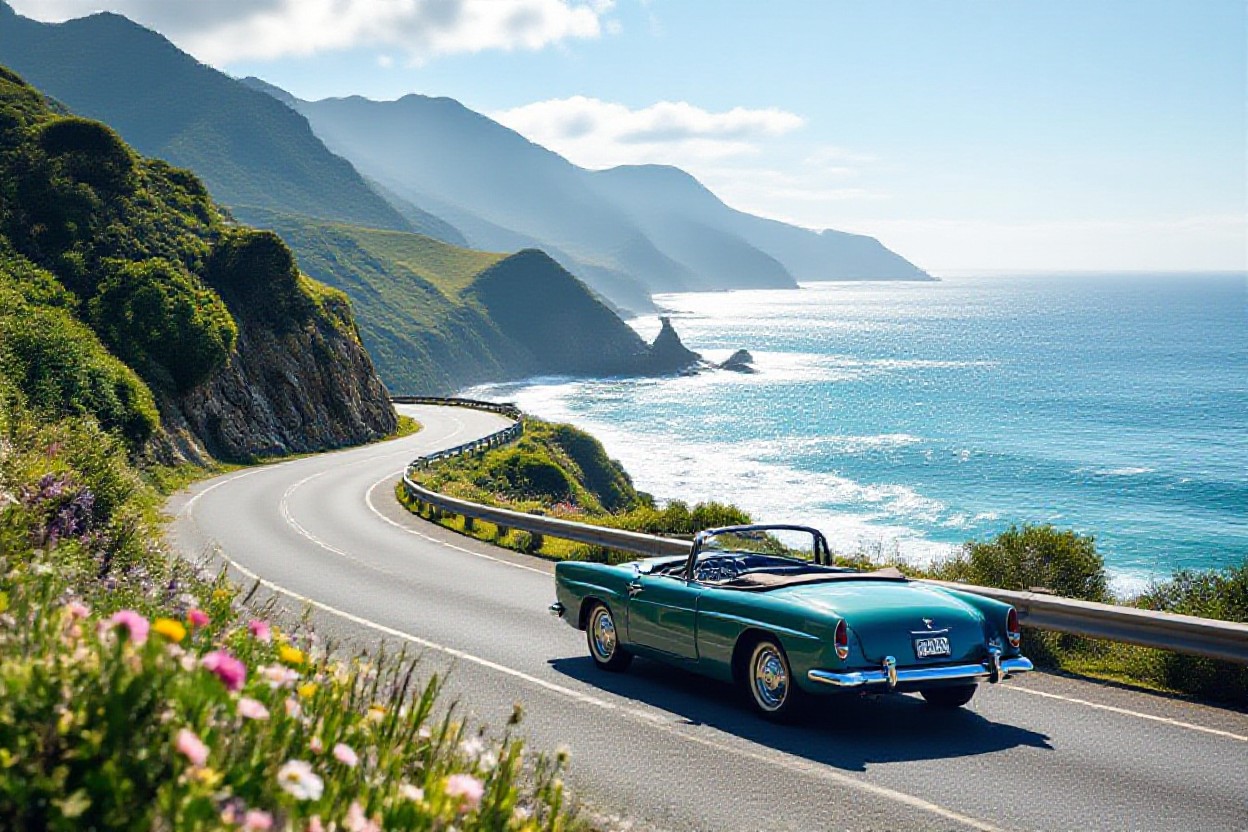
Stretching roughly 300 km (186 miles) from Mossel Bay to Storms River, the Garden Route threads seaside towns, lagoon-strewn estuaries and pockets of Afro-temperate forest; you’ll pass Knysna’s dramatic Heads, Plettenberg Bay’s sandy curves and Wilderness’s tidal lakes, with Tsitsikamma National Park’s suspension bridge and coastal cliffs offering some of the region’s most iconic photo stops.
Natural Wonders
You can hike the Otter Trail (42 km) for raw coastline, scramble Robberg’s headlands for seal colonies and explore indigenous forests where giant yellowwood trees rise above misty gullies; estuaries like Knysna Lagoon host tidal birdlife while the coast’s rocky outcrops create sheltered bays perfect for snorkeling and tidal pool exploration.
Wildlife Encounters
Within a short drive you’ll find Addo Elephant National Park (about 164,000 hectares) home to more than 600 elephants, plus Cape buffalo and lions; along the shoreline Plettenberg Bay offers boat trips to see dolphins year-round and southern right or humpback whales in whale season (June-December), while the forests shelter the vivid Knysna loerie (turaco).
For deeper wildlife experiences you can book 2-3 hour marine cruises from Plettenberg Bay for dolphins and whales, join guided game drives or self-drive loops through Addo, and take forest walks with local guides to spot Knysna loeries; pack binoculars, a telephoto lens, insect repellent and consult your Road trip safety & packing checklist to ensure ethical viewing, maintain safe distances and support accredited operators.
North Coast 500 – Scotland
Drive the 516-mile North Coast 500 loop through the Highlands over 5-7 days; you’ll tackle single-track roads, pause at John o’ Groats and Ullapool, watch seals around Dornoch, and detour to the dramatic Duncansby Head sea stacks and remote Sandwood Bay.
Historical Sites
You can explore Dunrobin Castle’s formal gardens and falconry displays, visit the ruined 13th-century Ardvreck Castle on Loch Assynt, and see Castle of Mey; local museums in Wick and Thurso document Norse influence and clan histories along the route.
Breathtaking Views
Along the route you’ll encounter sheer cliffs at Duncansby, the sculpted ridge of Stac Pollaidh, and expansive beaches like Achmelvich and Sandwood (a 4-mile walk to a pristine shore); Kylesku Bridge and the Sutherland hills offer framed vistas ideal for sunset shots.
For the best light you should aim sunrise at Sandwood and sunset at Kylesku, bring a wide-angle lens and waterproof layers for sudden squalls, allow extra time for short hikes to viewpoints such as Suilven and Stoer, and watch for pull-offs that reveal layered coastal and mountain compositions.
Road trip safety & packing checklist
Pack a charged phone and power bank, paper map and spare fuel, tyre repair kit and jump leads, warm waterproof layers and a high-visibility vest, headlamp and first-aid kit, extra food and water, ferry bookings and B&B reservations, plus a small toolkit; drive cautiously on single-track roads and look out for livestock and fast-changing weather.
Amalfi Coast – Italy
You tackle the SS163’s narrow 40 km of cliffside road, threading hairpins and short tunnels with the Tyrrhenian Sea below; Positano’s pastel houses tumble down steep alleys, Amalfi’s cathedral crowns the town, and Ravello’s terraces offer views that stop you in your tracks-terraced lemon groves and ceramic-tiled villages punctuate the route, so you plan photo stops, allow extra time for winding sections, and savor the combination of adrenaline and staggering coastal panoramas.
Cultural Richness
You explore centuries of history where Amalfi rose as a maritime republic between the 9th and 11th centuries, visit the Duomo di Sant’Andrea whose origins date back to the 9th century, and wander Ravello’s Villa Rufolo and Villa Cimbrone with gardens framing concerts at the Ravello Festival (established 1953); local craft traditions like Vietri ceramics and inland lemon farming add tangible layers to the coastal culture you experience.
Culinary Delights
You encounter lemons everywhere-the Sfusato variety shoreside-so you sip limoncello and lemon granita, while seafood rules menus: spaghetti alle vongole, grilled mixed fish and anchovy colatura from Cetara; small family-run trattorie and cliffside terraces serve ultra-fresh catch paired with Campanian white wines, turning every meal into a view-driven experience.
You go deeper by seeking Cetara for its colatura di alici, a fermented anchovy condiment that transforms simple pasta; order spaghetti alla colatura or alle vongole at a harbor trattoria in Positano, ask for the day’s catch and pair it with Falanghina or Greco di Tufo, and visit a lemon grove tasting to compare limoncello styles-many producers bottle small batches you can buy directly.
Road trip safety & packing checklist
You drive slowly on narrow stretches, use low gear on steep descents, and give way at hairpins; pack important items: valid driver’s license and insurance, spare tire and inflator, jumper cables, roadside kit, first-aid, flashlight, power bank and car charger, plenty of water, sunscreen, hat, layered clothing, paper maps and local cash, and a small lockable bag for valuables to keep your trip safe and smooth.
Final Words
As a reminder, these 10 unforgettable drives – from the Pacific Coast Highway to the Icefields Parkway – offer freedom, spontaneity and views that will change how you travel; plan your route, pace and photography stops, respect local conditions, and keep your vehicle maintained. Pack smart: spare tire, first aid kit, warm layers, chargers, snacks, water, maps and emergency contacts. Use the Road trip safety & packing checklist to make your journey safe, seamless and unforgettable.
FAQ
Q: What makes these 10 road trips unforgettable?
A: Each route pairs dramatic scenery with a strong sense of place and opportunities for spontaneous detours. Pacific Coast Highway (USA) winds cliffside with iconic bridges and coastal vistas; Great Ocean Road (Australia) combines surf beaches, limestone stacks and pocket rainforests; Ring Road (Iceland) strings waterfalls, lava fields, glaciers and geothermal features; Garden Route (South Africa) mixes beaches, wildlife reserves and indigenous forests; North Coast 500 (Scotland) offers rugged headlands, hidden coves and castles; Amalfi Coast (Italy) delivers narrow cliff-top roads and panoramic sea views; Route 66 (USA) serves classic Americana, neon and roadside museums; New Zealand South Island Loop showcases alpine peaks, turquoise lakes and fjords; Wild Atlantic Way (Ireland) presents sheer cliffs, sea-swept villages and lively pubs; Canada’s Icefields Parkway links turquoise lakes, glaciers and dramatic mountain passes. Each drive rewards slow pacing, local stops and varied light for photography.
Q: How long should I plan for each route and what pace works best?
A: Typical recommended durations and pacing: Pacific Coast Highway – 4-7 days (Big Sur to San Francisco/LA segments; aim 2-4 hours of driving on scenic days). Great Ocean Road – 2-3 days (allow extra time for Great Otway NP). Ring Road (Iceland) – 7-10 days minimum in summer; add days in winter for weather delays. Garden Route – 5-7 days (include wildlife and forest stops). North Coast 500 – 5-7 days minimum; 7-10 days for relaxed pace and side trips. Amalfi Coast – 3-5 days (short distances but slow driving and parking constraints). Route 66 – 2-3 weeks for full coast-to-coast; 3-7 days for single-state sections. New Zealand South Island Loop – 10-14 days for main highlights; more if you include remote roads. Wild Atlantic Way – 7-10 days for a strong sampling; longer for full route. Icefields Parkway – 1-2 days driving the corridor; plan a 5-10 day Rockies trip to include nearby parks. Aim for 3-5 hours of scenic driving per day, with full-day stops for hiking or major attractions and buffer days for weather or vehicle issues.
Q: What are must-see stops or best photo spots along these drives?
A: Pacific Coast Highway – Bixby Creek Bridge, Big Sur vistas, Pfeiffer Beach, Hearst Castle. Great Ocean Road – Twelve Apostles, Loch Ard Gorge, Cape Otway lighthouse, Great Otway rainforest walks. Ring Road (Iceland) – Seljalandsfoss & Skógafoss, Jökulsárlón glacier lagoon and Diamond Beach, Vatnajökull/Skaftafell. Garden Route – Tsitsikamma National Park (suspension bridge), Knysna Heads, Addo Elephant Park. North Coast 500 – Dunrobin Castle, Duncansby Head stacks, Smoo Cave, viewpoint at Cape Wrath ferry. Amalfi Coast – Positano terraces, Ravello gardens (Villa Rufolo), winding Amalfi Drive overlooks. Route 66 – Santa Monica Pier, Cadillac Ranch (Amarillo), Route 66 museums and vintage diners. New Zealand South Island Loop – Milford Sound, Lake Pukaki with Mt. Cook, Fox/Franz Josef Glaciers, Queenstown vistas. Wild Atlantic Way – Cliffs of Moher, Slieve League, Dingle Peninsula and Slea Head, coastal pubs. Icefields Parkway – Peyto Lake, Bow Lake, Columbia Icefield (Athabasca Glacier), Lake Louise and Moraine Lake viewpoints.
Q: What vehicle and driving considerations should I plan for on these roads?
A: Match vehicle choice and prep to terrain and season. Amalfi Coast, North Coast 500 and parts of the Pacific Coast Highway have narrow, winding roads – choose a compact, confident vehicle and plan for tight parking. Iceland in winter requires a 4×4 and winter tires; snow and sudden closures are common. New Zealand backcountry tracks may need a high-clearance vehicle or rental-allowed gravel lanes; check rental restrictions for unsealed roads. Garden Route and Icefields Parkway are mostly sealed but remote stretches mean limited services-carry extra fuel where available. Route 66 has long stretches with sparse services in the U.S. southwest. In the UK, Ireland, Australia, New Zealand and South Africa you drive on the left; Italy, USA, Canada and Iceland drive on the right. Verify local speed limits, tolls (Amalfi, some U.S. highways, Italian autostrade), parking rules, and insurance coverage for cross-border travel. Always have offline maps, a local SIM or roaming plan, and knowledge of fuel stations and ferry timetables when applicable.
Q: Road trip safety & packing checklist
A: Safety tips: check weather and road reports daily, allow extra time for challenging sections, share your itinerary with someone, avoid driving tired and switch drivers on long days, secure valuables and park in safe, well-lit areas, carry local emergency numbers and understand towing/insurance coverage. Packing checklist:
– Documents: driver’s license, international driving permit if required, vehicle registration, rental contract, insurance papers, passport/visas.
– Navigation & communication: GPS device or app with offline maps, paper maps, portable charger/power bank, local SIM card or roaming plan.
– Vehicle imperatives: full-size spare or repair kit, jack and lug wrench, tire inflator/sealant, jumper cables, basic tool kit, recovery straps (for rough terrain), extra motor oil and coolant.
– Emergency & safety gear: first-aid kit, high-visibility vest, warning triangle, headlamp/flashlight with spare batteries, reflective blanket, whistle, multi-tool.
– Weather & clothing: layered clothing, waterproof shell, warm hat/gloves for cold regions, sun protection (hat, sunglasses, SPF).
– Food & hydration: ample water, nonperishable snacks, cooler for perishables on long drives.
– Camping & comfort (if applicable): tent, sleeping bag, stove, fuel, utensils, insect repellent, biodegradable toiletries.
– Miscellaneous: cash and cards, photocopies of key documents, camera and spare memory/battery, reusable water bottle, garbage bags.
Adjust quantities and specifics to season and destination (chains for snowy Iceland, extra fuel for remote stretches, mosquito protection for some regions).