Adventure awaits as you traverse iconic routes-from Glacier Express panoramas to the Trans‑Siberian’s epic span-and this guide tells you how to make the most of each. You’ll learn when to book (secure seats well ahead for high season), where to sit (choose window seats and research which side offers best views), and how to weigh budget vs luxury options (regional trains cut costs; classic services offer comfort and included meals). Use these tips to plan unforgettable, sustainable journeys tailored to your pace and priorities.
Key Takeaways:
- Train travel combines slow, scenic relaxation with lower environmental impact, delivering once-in-a-lifetime views across mountains, coasts and wildernesses.
- Routes vary from ultra-fast (Shinkansen) to historic steam (Darjeeling) and ultra-luxury (Blue Train, The Ghan), so pick journeys that match the mood you want – speed, history, scenery or pampering.
- Book high-demand scenic or luxury services months in advance; aim for shoulder seasons for fewer crowds and better light for photos.
- Where to sit matters: reserve window seats or a panoramic/dome car when available, and check which side of the train offers the best views for each route before you board.
- There are budget-friendly regional options and premium luxury experiences-balance price, onboard service and included extras (meals, excursions, cabins) to match your travel priorities.
Glacier Express – Switzerland
Overview
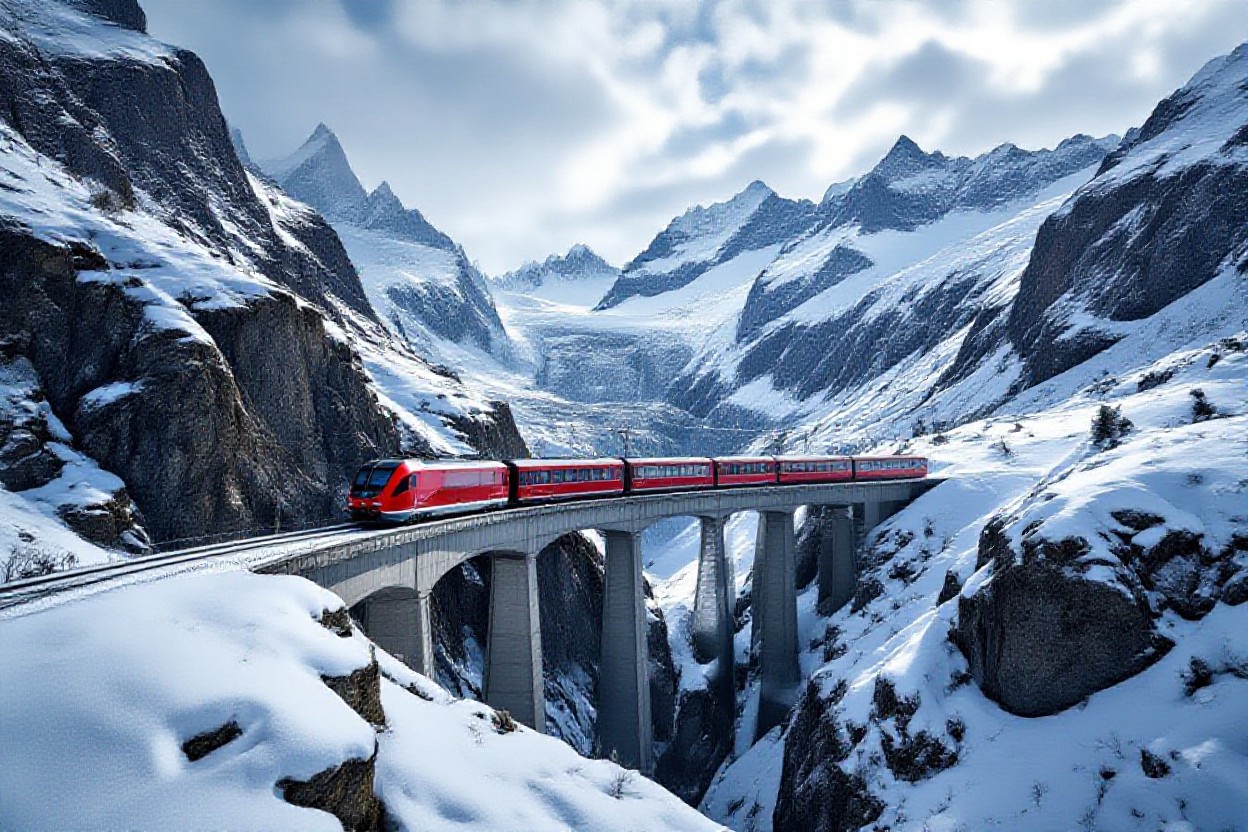
Running the roughly eight-hour route between Zermatt and St. Moritz, the Glacier Express threads through 291 bridges and 91 tunnels aboard panoramic coaches, so you’ll watch alpine scenery unfold through oversized windows while dining onboard. You should book seats 3-6 months ahead in high season, reserve a window in the panorama car, and plan for a premium fare unless you split the journey into shorter regional segments to save money.
Scenic Highlights
You’ll cross the Oberalp Pass at 2,033 m, glide over the iconic Landwasser Viaduct and traverse sections of the Albula/Bernina UNESCO railway, passing snow-capped peaks, deep gorges and high mountain lakes as the light shifts across valleys. Photography opportunities are frequent, from dramatic viaducts to intimate alpine villages.
For best results, travel in summer (wildflowers, green valleys) or winter (snow-clad panoramas); pick a panorama-car window seat and, if possible, a forward-facing spot for unobstructed views. If you’re on a budget, break the trip into regional legs or book second-class; for a luxury experience, choose first-class with table service and reserve a dining seat in advance to secure peak-time views and meals.
Rocky Mountaineer – Canada
Route Description
You traverse British Columbia into Alberta on Rocky Mountaineer’s daylight-only routes-most notably Journey through the Clouds and First Passage to the West-covering up to about 1,000 km of alpine terrain over two-day itineraries. You pass the Fraser Canyon, the Spiral Tunnels and Mount Robson, with overnight hotel stops in towns like Kamloops or Quesnel depending on the route, which keeps every dramatic gorge, river bend and turquoise lake framed for daylight photos.
Experience on Board
You choose between SilverLeaf and GoldLeaf service: SilverLeaf has oversized windows and plated meals at your seat, while GoldLeaf features bi-level glass-dome coaches, an outdoor viewing platform and elevated dining. You get regionally inspired meals, narrated commentary from hosts who point out geology and Indigenous stories, and attentive service; trains run daytime only, so evenings are spent in prebooked hotels to extend the travel comfort.
Book 6-12 months ahead for peak season (May-September) to lock in GoldLeaf; shoulder months can lower fares. When reserving, request seats on the side that faces the mountains-agents can advise per route-and aim for upper-level GoldLeaf for the best dome views. If you’re budget-conscious, SilverLeaf still delivers outstanding scenery; compare total cost including hotel nights and transfers before choosing.
Shinkansen – Japan
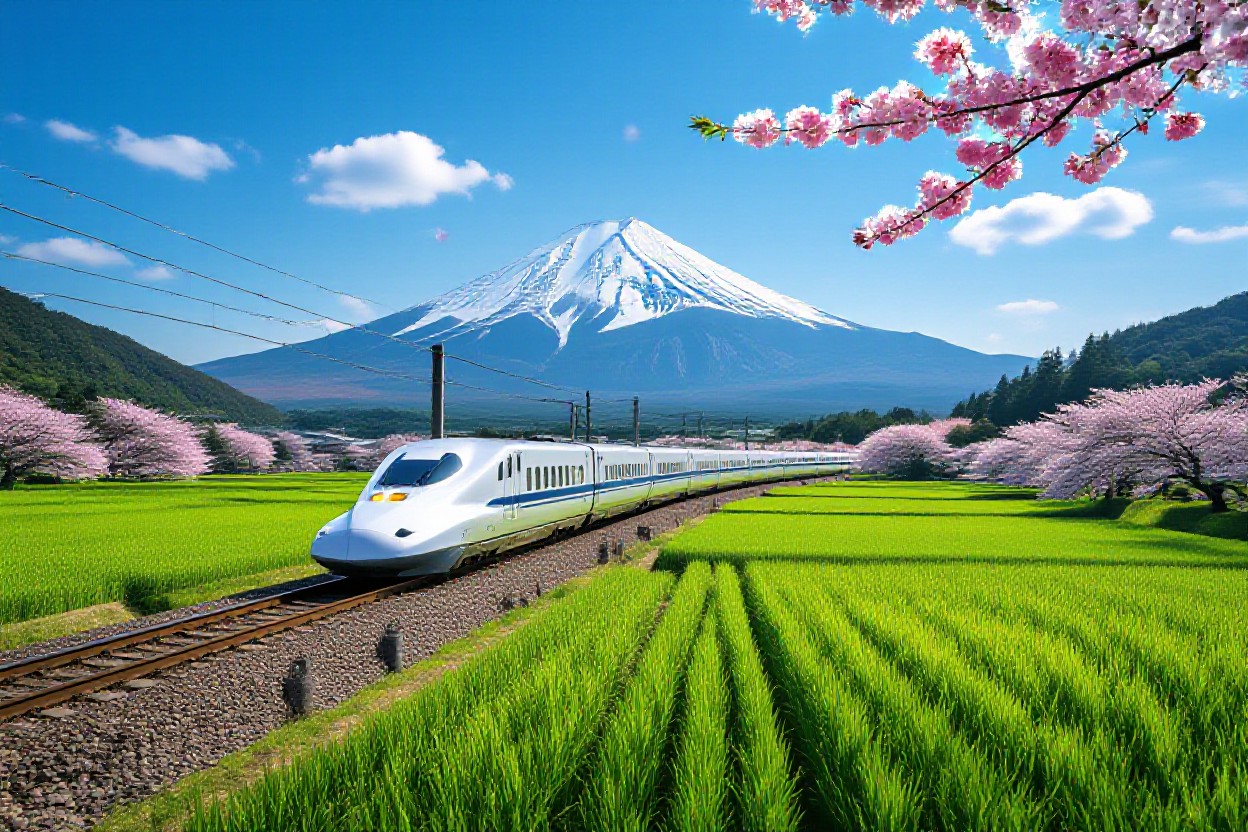
You cross Japan’s spine on the Shinkansen: the Nozomi cuts Tokyo-Osaka to about 2.5 hours, trains routinely hit 320 km/h, and the network-born with the 1964 Tokaido line-now spans roughly 2,764 km. You’ll notice glassy windows, ultra-smooth ride quality and timetable precision measured in seconds; that reliability makes tight city-to-city connections and same-day itineraries unusually practical.
Speed and Efficiency
On busy corridors departures run every 10-15 minutes and Nozomi services are the fastest, though excluded from the Japan Rail Pass. You should reserve seats before Golden Week, cherry blossom weeks or Obon; pick the right-side window westbound from Tokyo for Mt. Fuji views. For budgets use the JR Pass and unreserved cars, while Green Car or Gran Class buy you larger seats, meals and quieter space.
Cultural Significance
Launched for the 1964 Olympics, the Shinkansen became a symbol of postwar recovery and engineering prowess, with models like the N700 and E5 exported or emulated abroad. You’ll experience etiquette-muted phones and quiet cars-that mirrors broader social norms, and punctuality plus a stellar safety record are national touchstones.
Beyond symbolism, the network reshaped travel and commerce: same-day business trips replace short flights, stations serve as retail hubs, and safety tech like automatic earthquake detection can stop trains within seconds. You’ll also see Japan pushing forward-L0 maglev tests have exceeded 600 km/h-keeping rail central to its transport identity.
The Ghan – Australia
You traverse roughly 2,979 km between Adelaide and Darwin over about 54 hours of travel, stopping at Alice Springs and Katherine; along the way you watch red-earth plains, spinifex, and dramatic escarpments slide by while guided commentary and curated off-train excursions bring Indigenous culture and remote gorges into sharp focus.
Journey Through the Outback
You experience dawn and dusk that saturate the landscape-rust-red saltbush, the MacDonnell Ranges near Alice Springs, and the Barkly Tablelands-while wildlife sightings like wedge-tailed eagles or feral camels punctuate the route; daytime windows and timed daylight cruising maximize photo opportunities during key stretches.
Accommodation Options
You can choose from more budget-friendly seated options up to Gold and Platinum cabins: Gold offers private cabins with compact en suite and included meals, while Platinum gives larger cabins, elevated dining and extra off-train experiences; book 6-12 months ahead for peak season (May-September) and ask which side of the train has best light for scheduled daylight legs.
For more detail, Gold cabins sleep two with flexible bedding, wardrobe space and daily cabin service, plus included shore excursions and three-course dining in the Queen Adelaide Restaurant; Platinum adds a larger living area, priority boarding, complimentary beverages, exclusive lounge access and additional guided tours-your choice affects not only comfort but which off-train experiences and meals are included, so compare itineraries and inclusions before you book.
Trans-Siberian Railway – Russia/Mongolia
The Trans‑Siberian and Trans‑Mongolian routes span roughly 9,289 km from Moscow to Vladivostok or about 7,600 km to Beijing via Ulaanbaatar, crossing seven time zones and terrain that shifts from Ural forests to Siberian taiga and the wide Mongolian steppe; you’ll experience long communal dining-car meals, rhythmic station stops, and the option to break the journey into curated city stops like Yekaterinburg, Irkutsk (for Lake Baikal) and Ulaanbaatar.
The Epic Journey
You can ride end‑to‑end in about 6-8 days nonstop, but most travelers split the trip to explore highlights: spend 2-3 nights in Irkutsk to reach Listvyanka and Baikal, overnight in Yekaterinburg to see the Ural border, and add 1-2 days in Ulaanbaatar on the Trans‑Mongolian; choose kupe (4-berth) for privacy, platzkart for budget sociability, or a Golden Eagle-style luxury tour for guided excursions and included transfers.
Travel Tips
You should book 3-6 months ahead for peak summer (June-August) and long holiday periods, use the RZD website or reputable agencies for through tickets, and plan visas for Russia and Mongolia well in advance; reserve a lower berth for extra storage and easier access, pack a power bank and wet wipes, and weigh platzkart vs kupe vs private tours based on how much comfort and on‑board privacy you need.
- When to book: secure tickets and any guided excursions 3-6 months before peak season; niche private trains fill fast.
- Where to sit/sleep: lower berths offer storage and easier exits at stations; kupe cabins (2-4 berths) balance privacy and cost.
- Knowing whether you’ll tolerate shared couchettes or prefer private cabins decides if you spend hundreds or several thousand dollars on a luxury operator.
Pack practically: bring local cash (rubles and some tugrik), a universal adapter, a compact towel, toilet paper, snacks for long stretches, and a power bank; use offline maps and download RZD or agency apps for timetable changes, and plan staged stops (Irkutsk for Baikal, Ulaanbaatar for nomadic culture) so you’re not rushing between stations and tours.
- Packing imperatives: power bank, adapter, wet wipes, spare underwear, lightweight blanket or scarf for chilly nights.
- Money & connectivity: carry cash for remote stops, buy local SIMs in major cities, and verify card acceptance before arrival.
- Knowing your preferred balance of cost versus comfort (platzkart camaraderie, kupe privacy, or a multi‑thousand-dollar luxury package) will shape how you book and prepare.
Cinque Terre Train – Italy
Coastal Views
You’ll ride short regional trains that link the five Cinque Terre villages along roughly 12 km of Ligurian coastline. Trains run about every 15-30 minutes in high season, delivering sudden sea vistas through tunnel portals and over viaducts; terraced vineyards and pastel houses unfold as you approach each stop. Expect instant photo opportunities at Riomaggiore, Manarola, Corniglia, Vernazza and Monterosso.
Accessibility and Tips
Plan bookings well in advance for June-August; regional fares typically run about €2.70-€4 per segment while the Cinque Terre Card (train+hiking) pays off if you hop multiple stops or trails. Catch early-morning or late-afternoon trains to avoid crowds, and aim for a window seat on the seaward side for the best views. Buy tickets at station machines or the Trenitalia app, and reserve long-distance connections and lodging months ahead.
- When to book: secure lodging and long-distance train seats 2-3 months ahead for high season.
- Where to sit: choose the seaward-side window for continuous coastal views.
- Budget vs luxury: regional trains are budget-friendly; private boat transfers or guided tours are the upscale option.
- Recognizing peak months (June-August) bring heavier crowds and higher prices, plan accordingly.
You should note accessibility varies by village: Monterosso offers the easiest access with a flatter layout and fewer steps, while Corniglia sits above the sea and requires a bus or steep climb; Vernazza and Manarola have cobbled lanes and stairs that challenge wheeled luggage. Check trail status and train schedules before you go, consider boats when trains are crowded or suspended, and travel light if you’ll navigate stairs and narrow alleys.
- Monterosso: most wheelchair- and luggage-friendly of the five.
- Corniglia: accessed via ~382 steps from the station or a local shuttle bus.
- Vernazza/Manarola: narrow, steep streets-not ideal for large suitcases.
- Recognizing station facilities vary, carry compact, wheeled luggage or plan shuttle/boat transfers when needed.
To wrap up
Drawing together these ten iconic routes, you should prioritize booking well in advance for peak seasons, choose a window seat on the scenic side or a front carriage for panorama, and weigh budget versus luxury – regional services offer authentic, affordable experiences while sleeper and private car options provide comfort and service. Your itinerary should balance time, sights and cost to make each journey the unforgettable travel highlight it promises to be.
FAQ
Q: Which of the 10 train journeys is best for a first-time scenic rail trip?
A: For a first scenic train experience choose a route that balances dramatic views with easy logistics: the Glacier Express (Switzerland) delivers guaranteed panoramic mountain scenery through large observation windows and is timetabled and comfortable; the Cinque Terre train (Italy) gives coastal charm on short, frequent regional services ideal for day trips; the Shinkansen (Japan) offers a smooth, punctual introduction to high-speed rail with short legs between major cities; the Machu Picchu train (Peru) provides dramatic Andean scenery on a short, tourist-focused route. When to book: Glacier Express and Machu Picchu trains sell out in high season-reserve months ahead; Shinkansen often available nearer travel dates but book during national holidays. Where to sit: pick panorama/observation carriages or window seats; for short regional trains choose a window on the seaside or mountain-facing side. Budget vs luxury: Cinque Terre and many Shinkansen services are budget-friendly; Glacier Express and Machu Picchu have premium classes-compare standard panoramas with full luxury options like the Blue Train or Rocky Mountaineer if you want on-board dining and cabins.
Q: How far in advance should I book each of these journeys?
A: Booking lead times vary by route and season. Luxury and sleeper trains (Rocky Mountaineer, Blue Train, The Ghan, Glacier Express in peak season) should be reserved 3-12 months ahead, especially for specific cabins or dining tables. Long multi-country trips like the Trans-Siberian require 3-6 months for preferred couchettes or private cabins and border-crossing arrangements. Tourist-focused routes to attractions (Machu Picchu trains, Darjeeling Himalayan Railway special charters) sell out in the dry or festival seasons-book 2-6 months early. Shinkansen and many regional services (Cinque Terre, Bergen Railway off-peak) can be booked within weeks, though Golden Week, Christmas and summer holidays require earlier reservations. Budget tip: travel in shoulder seasons and book seats rather than private cabins to save money; luxury-saver tip: if dates are fixed, snag refundable fares or waitlist options as soon as availability opens.
Q: Where should I sit on these trains to get the best views?
A: Choose seating by carriage type and route: on panorama trains (Glacier Express, Rocky Mountaineer) book the observation or panorama coach and request a window table or forward-facing seat; for the Shinkansen opt for window seats and, if you want Mt. Fuji views, check route-specific guidance for direction and carriage placement; on coastal runs like Cinque Terre or Bergen Railway pick the seaside-facing seats and sit on the side of the train that faces the coast for your direction of travel; on sleeper trains (Trans-Siberian, The Ghan) book a lower-berth cabin if you want daytime seating with a view and easier access to aisles; for historic steam services like Darjeeling, aim for a side window carriage and arrive early to claim the best vantage. If booking online, add seat preferences and contact the operator to confirm; on many tourist trains you can choose a specific seat when purchasing.
Q: What are the budget versus luxury options across these 10 journeys?
A: Most iconic routes offer tiers: budget – regional or standard-class tickets (Cinque Terre, standard Shinkansen seats, regional sections of Bergen Railway) are affordable and frequent; mid-range – reserved seats, panorama cars, and premium day services (standard Glacier Express panoramas, Machu Picchu Expedition class) give better comfort without full luxury pricing; luxury – full-service trains with private cabins, multi-course dining and off-train excursions (Rocky Mountaineer GoldLeaf, Blue Train, The Ghan experiential suites, Hiram Bingham luxury for Machu Picchu) are significantly more expensive but include meals and guided stops. Compare inclusions: some luxury trains bundle excursions and transfers, while budget tickets often require separate bookings. Tip: mix and match-take a luxury overnight for a signature portion of a trip and use budget daytime services for shorter legs to control costs.
Q: How should I prepare for long multi-day journeys and what should I pack?
A: Pack layered clothing for changing mountain, coastal and high-altitude climates; a compact toiletry kit, motion-sickness aids if prone, sleep mask and earplugs for overnight coaches, and a small pillow or travel blanket for extra comfort. Bring snacks and a refillable water bottle-some long routes have limited on-board food between stations. Electronics: power bank, universal adapter, and headphones; keep passports, visas, travel insurance and printed/ digital tickets handy for cross-border journeys like the Trans-Siberian. Health and safety: carry basic meds, copies of prescriptions, and any required permits (Machu Picchu entry/passes). When to book: reserve important tickets and private berths early. Where to sit: aim for window seats, panorama coaches or lower berths for daytime viewing. Budget vs luxury: if comfort and included services matter on a multi-day leg, invest in a private cabin or luxury class; if you prefer flexibility and lower cost, choose reserved seats and break the journey into shorter segments to rest between legs.