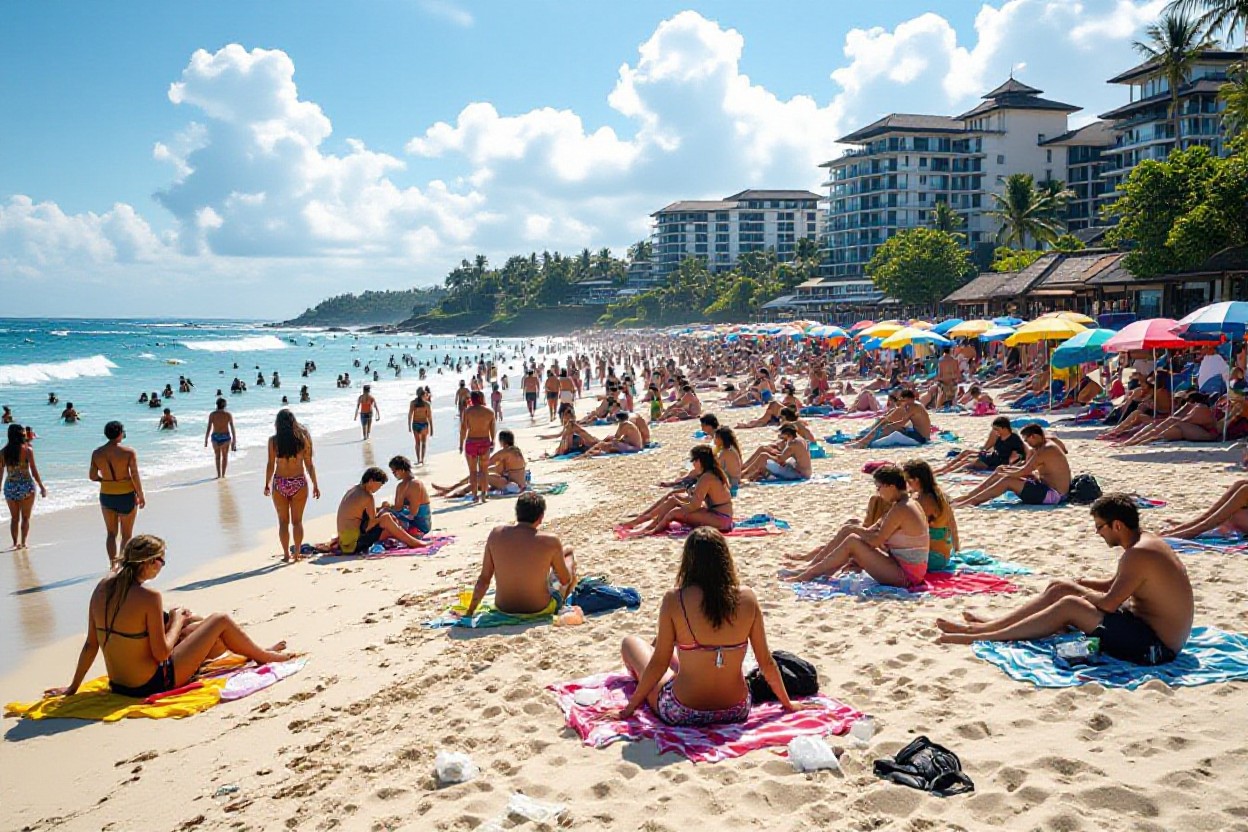
Destinations that once felt personal and pristine will be overrun by tourists by 2026, so you need to know which five to prioritize or avoid. This concise guide identifies the exact sites facing imminent visitor floods, explains how mass tourism will erode local life and access, and gives practical steps you can take to plan responsibly, book ahead, or choose worthy alternatives before the 2026 tipping point to protect your experience.
Key Takeaways:
- Visit before 2026 – rising visitor caps, stricter permits, and expanded closures mean authentic experiences will disappear or become far harder to access.
- Expect scarcity and higher costs as demand outpaces infrastructure: peak-season bookings and prices will spike, reducing availability and value for last-minute travelers.
- Environmental and policy reactions (restricted access, conservation fees, transport limits) are planned or likely; noncompliance risks fines and canceled plans.
- Act now to lock in options: book refundable fares, travel shoulder seasons, prioritize certified sustainable operators, and secure local permits where required.
- Consider alternatives and spread impact: choose lesser-known sites, support community-based tourism, and check official advisories before traveling through 2026.
Overview of the Affected Destinations
By 2026 you’ll see five hotspots exceed their carrying capacity: mass cruises, charter flights and unregulated short-lets drive visitation spikes that outpace sewage, water and trail maintenance. Examples include Machu Picchu’s ~1.5M visitors in 2019 and Venice’s ≈20M pre-pandemic pressure, both showing how quickly local systems fail. You need to prioritize timing and choices now – your window to experience these places before they feel staged is collapsing fast.
Destination 1: Analysis of Threats
You’ll encounter concentrated impacts at Machu Picchu: the Inca Trail shows measurable erosion, 1.5M visitors in 2019 overloaded nearby Aguas Calientes, and permit clustering pushes foot traffic into narrow corridors. Peru’s ≈2,500/day cap mitigates some risk, yet illegal routes and adjacent hotel growth keep pressure high. If you intend to visit, pick licensed operators and off-peak permits to avoid a crowded, degraded visit by 2026.
Destination 2: Key Factors for Decline
You’ll notice Santorini’s decline is driven by cruise-ship surges, freshwater stress and Airbnb conversions that hollow out neighborhoods; the island saw about 2M visitors annually before COVID and daytime cruise density can multiply local populations. You should favor multi-night stays and off-season travel to reduce impact, because otherwise viewpoints and services will be overwhelmed well before 2026.
- Peak cruise calls create sudden waste and transit spikes that local systems weren’t built for.
- Short-term rentals remove long-term housing, inflating prices and shrinking community services.
- Any surge in day-trippers can turn cliffside towns into queuing zones rather than living places.
You should weigh concrete metrics: Oia’s sunset zone has recorded spikes up to ~10,000 people on high-season evenings, prompting timed-entry pilots and police management; municipal water use climbs roughly 30% in summer, forcing expensive desalination. Choose inland villages and family-run businesses to preserve authenticity-Any delay in acting means you’ll likely only see a commercialized, overcrowded version of the island after 2026.
- Oia sunset crowd spikes have reached approximate 10,000 people nightly in peak months.
- Local water demand rises about 30% during summer, driving costly infrastructure expansions.
- Any missed chance to visit responsibly before 2026 increases the likelihood of strict access limits and a diluted experience.
| Destination | Main problems noted | Management responses / trends | Core advice for travelers |
|---|---|---|---|
| Venice (Italy) | Very high visitor numbers, cruise pressure, fragile historic setting and infrastructure. | Cruise limits, entry controls, and other crowd-management tools. | Expect more caps and fees; consider alternatives in the lagoon or other cities if you want a quieter experience. |
| Machu Picchu (Peru) | Trail erosion, overwhelmed gateway town, crowding on narrow routes. | Daily visitor cap at the citadel, strict trail quotas, time slots, enforcement against informal access. | Book permits well in advance, go in shoulder season, and use licensed operators that follow limits. |
| Santorini (Greece) | Cruise-ship surges, water stress, housing loss to short‑term rentals, intense crowding at viewpoints. | Timed-entry pilots at popular spots, ferry and cruise management, infrastructure upgrades like desalination. | Stay multiple nights instead of day-tripping, travel off‑season, choose inland villages and locally run stays. |
| Kyoto (Japan) | Concentrated crowds in historic districts, friction with residents, strain on local life and culture. | Growing talk of stricter limits and behavior rules in sensitive neighborhoods. | Avoid peak seasons and times, respect local etiquette, and branch out to less famous districts or nearby towns. |
| Halong Bay (Vietnam) | Overcrowded boat routes, marine pollution, declining water quality. | Moves toward tighter regulation of vessels and routes. | Choose more responsible operators and consider nearby bays/islands with lower traffic. |
Types of Tourists Impacted
By 2026, your travel persona will determine whether you get shut out: Machu Picchu enforces 2,500 visitors per day, Venice limits cruise access and Santorini is rationing ferries – you’ll see permit queues, surging private-charter rates, shorter park hours and rolling closures that map to how you travel.
| Backpackers | Face campsite closures, strict trail permits and crowded hostels that push you into off-grid alternatives. |
| Luxury Travelers | Encounter fewer private slots, higher premium fees and more competition for small-boat charters and villa windows. |
| Family Vacations | Hit capacity caps on family-sized rooms, limited kid-friendly tours and curtailed school-holiday windows. |
| Day-cruise / Excursion Visitors | See pier closures, timed-entry slots and fewer shore excursions as destinations prioritize overnight stays. |
| Local / Repeat Visitors | Deal with resident-only permits, redirected access and new local-priority reservation systems. |
- Permit systems will favor scheduled, pre-booked arrivals over walk-ins.
- Peak-season prices will spike; expect 30-50% increases on popular routes and accommodations.
- Conservation closures will target high-impact activities like day cruises and unmanaged treks.
- Access windows will shift to off-peak, forcing you to travel midweek or off-season to avoid restrictions.
- Any last-minute planners will find slots sold out weeks in advance as 2026 enforcement tightens.
Backpackers vs. Luxury Travelers
You’ll notice backpackers squeezed by permit queues and closed campsites, while luxury travelers face reduced private-boat availability and surging concierge fees; for example, Galápagos and Venice curbs mean budget trail access and bespoke yacht slots both become harder to secure before the 2026 cutoff.
Family Vacations and Local Tourism
You’ll find family travel hit by smaller room inventories, capped group-tour sizes and restricted park hours that compress holiday windows; school breaks in 2025-2026 will see the earliest sold-out dates and rerouted itineraries as destinations prioritize conservation.
To protect your family trip, you should book 60-120 days ahead, apply for necessary permits early, consider nearby alternative parks and split stays to avoid peak days; local residents are also being given priority via resident-only booking windows, so plan for fewer same-day options and confirm family-friendly services well before travel.
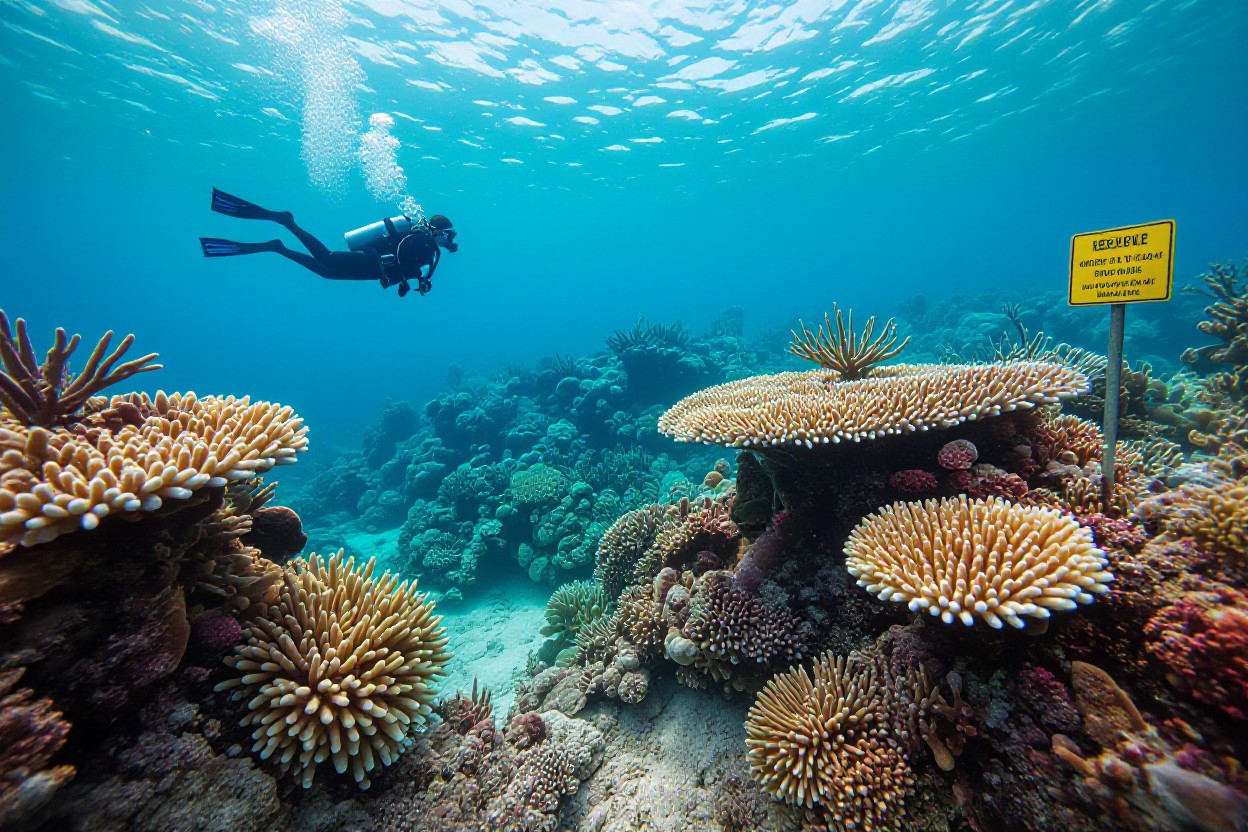
Tips for Responsible Travel
Now is the moment to change how you travel: some hotspots have seen visitor numbers double since 2015 and face tipping points by 2026, so you need concrete habits that reduce harm. Limit visits to shoulder seasons, book licensed guides who follow carrying-capacity rules, choose locally owned stays over global chains, carry reusable gear, and follow posted trail limits and waste rules at protected sites. This small set of decisions can keep places intact for your next visit and for locals.
- Travel off-peak and avoid weekend surges
- Hire certified local guides and community-run tours
- Use refillable bottles, reef-safe sunscreen, and public transit
- Pay conservation or entrance fees that fund stewardship
- Respect capacity limits, closures, and cultural protocols
Sustainable Practices
You can cut your environmental footprint with clear, measurable choices: pack a refillable bottle to eliminate dozens of single-use plastics per trip, swap to reef-safe sunscreen to protect coral ecosystems, favor ecolodges or LEED-certified properties, and choose public transport or group transfers-often reducing per-person emissions versus private taxis by large margins. Consider verified offsets (Gold Standard) only after minimizing emissions, and opt for experiences that charge a conservation fee so your spend directly funds protection.
Engaging with Local Communities
You should prioritize routes that channel revenue to residents: book community-run tours, eat at family-run restaurants, and stay in homestays where possible so more of your money stays local. Ask about provenance before buying crafts, learn a few polite phrases, and seek guides who reinvest earnings into conservation or education projects. In many destinations, community enterprises provide better long-term protection than external operators and create incentives to preserve cultural and natural assets.
For deeper impact, verify community credentials-look for cooperatives, fair-trade or local tourism association listings, and clear revenue-sharing statements. Pre-book tours directly with community organizations when possible, tip transparently, and avoid attractions that exploit wildlife or cultural rituals for photos. Examples like Bhutan’s daily-tourist-fee model show how policy plus tourist choices can fund preservation; you can replicate that effect by prioritizing businesses that demonstrate tangible benefits to residents.
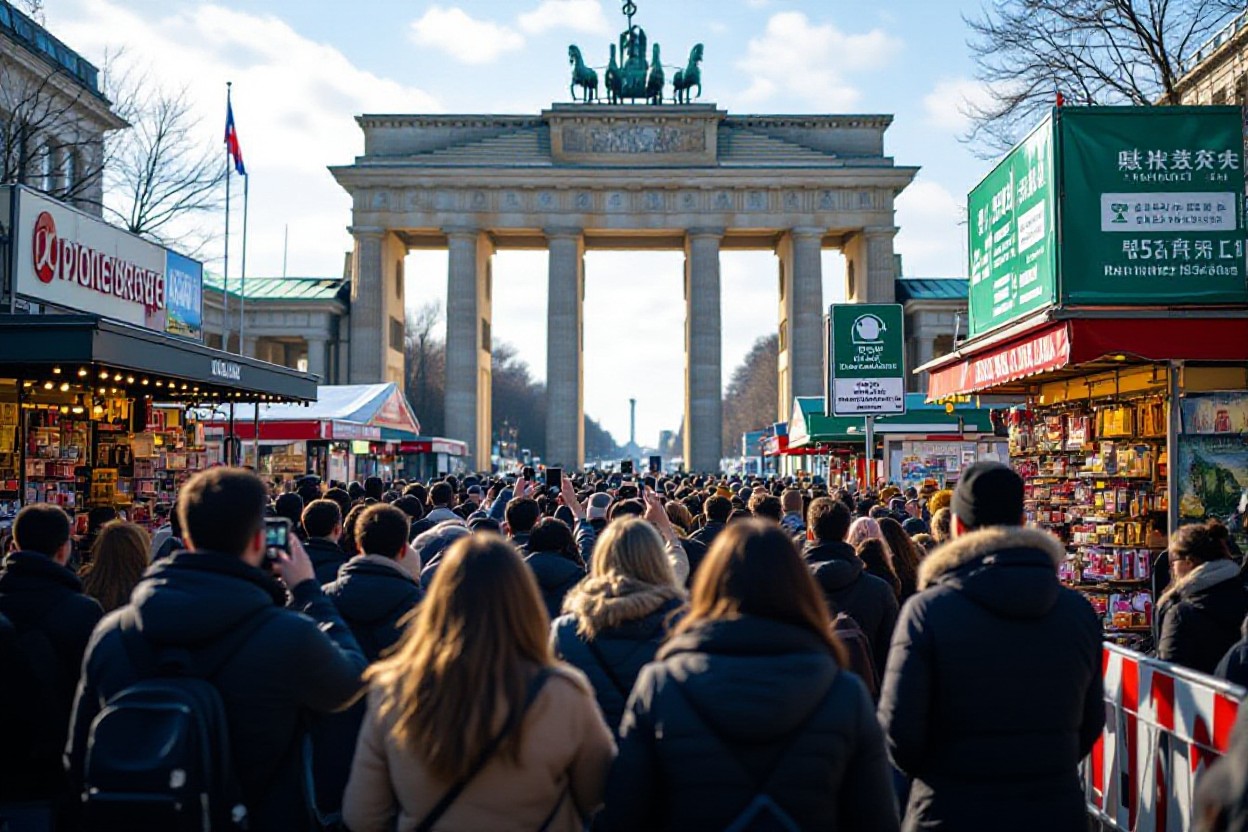
Step-by-Step Guide to Planning Visits
| Step | Action |
|---|---|
| Research timing | Check monthly visitor stats and local festivals; avoid peak windows (typically Jul-Aug and Easter). Aim for shoulder seasons (Apr-May, Sep-Oct) or low season if you can handle weather changes. |
| Secure permits & tickets | Reserve timed-entry tickets and permits 3-12 months ahead for hotspots (Machu Picchu limits ~2,500/day; some Venice museums require slots). Book flights and trains at least 6 months out for 2025-26 travel spikes. |
| Choose local stays | Pick family-run guesthouses or community lodges to spread benefits; avoid oversized hotels concentrated in fragile neighborhoods to reduce strain and preserve character. |
| Opt low-impact transport | Favor trains, e-bikes, and walking; skip helicopter and large boat tours where possible-many destinations are banning noisy flights and limiting daily boat passages by 2026. |
| Plan backups | Identify secondary towns or off-grid alternatives (e.g., explore Puno instead of overcrowded Cusco approaches); have flexible dates to avoid sudden closures or surge pricing. |
When to Go
You should target shoulder or low seasons to avoid the 2026 influx: book arrivals for Apr-May or Sep-Oct when crowds dip 30-60% at many sites, or for colder months if tolerance allows. Reserve key entries 3-12 months ahead-popular guided slots and train connections already show sold-out calendars into 2026-so act now to lock dates and avoid steep premiums or denied access.
How to Respect Local Cultures
You must follow local dress codes, modesty rules, and photography restrictions: remove shoes at Japanese temples, cover shoulders in many Southeast Asian shrines, and always ask before photographing ceremonies or individuals. Learn a few local phrases, follow signage for sacred zones, tip according to local norms, and avoid bargaining down prices that sustain small vendors and guides.
Pay attention to protective regulations that exist for a reason: Bhutan enforces a Sustainable Development Fee (~USD 200/day) to limit numbers and fund preservation; Maya Bay closed in 2018 to recover from mass visitation; Machu Picchu enforces time slots and a ~2,500 daily cap. You should hire licensed guides, comply with entry limits, pay community fees, and prioritize businesses that reinvest in heritage to keep sites viable before they change forever in 2026.
Factors Contributing to Tourist Ruin
Pressure builds when infrastructure, ecology and local culture are simultaneously overwhelmed; you see it in destination after destination. Venice drew roughly 20 million visitors annually before the pandemic, Machu Picchu topped about 1.5 million in 2019, and Maya Bay closed in 2018 after reef damage from boats and swimmers. Policy responses-entry caps, tourist taxes, rental bans-are reactive and uneven. Any delay in stronger limits and consistent enforcement will let these forces combine and push more spots past recovery by 2026.
- Overtourism and day-trippers (Venice, ~20M visitors pre-2020)
- Infrastructure strain and housing loss from short-term rentals
- Environmental wear: reef damage, trail erosion, freshwater stress
- Weak regulation or fragmented enforcement across authorities
- Commercialization and loss of local character through mass catering
Overcrowding Issues
Overcrowding turns landmarks into queues and neighborhoods into staging areas, and you feel it the moment you arrive. Machu Picchu’s spike to ~1.5 million visitors led Peru to introduce timed entries and stricter site control; Barcelona limited tourist apartments to relieve residential displacement. When day-trippers and cruise passengers arrive by the thousands, local services and public transport collapse, so unless capacity controls expand quickly you’ll increasingly find the experience hollowed out by 2026.
Environmental Degradation
Heavy footfall and unmanaged marine traffic accelerate erosion, pollution and habitat loss, directly degrading the reasons you visit. Coral reefs suffer anchor and swimmer damage, trails compact and rain-driven erosion increases sedimentation into rivers, and small islands face sewage and freshwater shortages as visitor numbers spike. Closures like Maya Bay show ecosystems can cross tipping points fast.
More concretely, the Inca Trail enforces a 500-person daily limit (including guides and porters) because persistent trampling degrades ancient stonework and surrounding soils; the Great Barrier Reef suffered mass bleaching in 2016, 2017 and 2020, showing tourism pressure compounds climate stress. You should expect stricter caps, route closures and higher fees as managers scramble to prevent irreversible loss before 2026.
Pros and Cons of Visiting These Locations
| Pros | Cons |
|---|---|
| Access to iconic sites you may never see again if restrictions hit by 2026. | Overtourism can close sites temporarily, as happened when Maya Bay was shut in 2018. |
| Economic support for local businesses and guides, often vital in small economies. | Short-term rentals and tourism demand can drive up local housing costs. |
| Unique cultural encounters and learning opportunities that bolster conservation funding. | Mass visitation erodes authenticity and pressures cultural sites with wear and commercialization. |
| Photographic and social capital gains-rare shots before access limits are imposed. | Photo bans, crowding, and staged attractions reduce the experience quality. |
| Improved infrastructure and services in response to visitor demand. | Infrastructure can be overwhelmed seasonally-roads, water, and waste systems strain quickly. |
| Chance to witness urgent conservation efforts and contribute responsibly. | Irresponsible visits accelerate damage: off-trail hiking, drones, and litter magnify impact. |
Benefits of Experiencing These Destinations
If you go before 2026 restrictions tighten, you gain rare access to landscapes and traditions-think turquoise coves closed elsewhere after overtourism. Visiting injects revenue into local economies and funds preservation: in some island communities, tourism comprises over 60% of income. You also collect first-hand knowledge that can inform smarter travel and advocacy, giving you both memories and influence while access still exists.
Risks of Contributing to Damage
If you travel without restraint, your visit can accelerate erosion, cultural dilution, and infrastructure collapse. Many hotspots already see seasonal surges-Iceland rose from roughly 500,000 visitors in 2010 to over 2 million by 2017-showing how quickly pressure compounds. By 2026, unchecked patterns could force closures and punitive measures that eliminate the experiences you sought.
When you join large flows of tourists, specific behaviors matter: day-tripping that leaves no economic footprint, taking drones over nesting sites, or wandering off marked trails causes soil compaction and vegetation loss that can take decades to recover. You can worsen housing shortages by using short-term rentals in small towns and encourage exploitative tour operators by booking the cheapest options. To avoid being part of the problem, prioritize licensed guides, limit peak-season visits, follow carrying-capacity rules where posted, and channel spending to community-run initiatives that reinvest in resilience before authorities impose bans in 2026.
Final Words
Following this, you should prioritize visiting these five destinations before 2026 if you want to experience them before mass tourism alters their character; secure your bookings, support sustainable operators, and plan off-peak visits to protect local culture and get better experiences, because delays may mean higher prices, crowded sites, and lost authenticity.
FAQ
Q: What does “tourist-ruined by 2026” mean and which five destinations are most at risk?
A: It describes destinations where overcrowding, environmental damage, infrastructure breakdown, or regulatory shutdowns will likely degrade the visitor experience or trigger closures by 2026. The five most at-risk places are: Venice (Italy) – mass tourism, sinking infrastructure and cruise-ship pressure; Machu Picchu (Peru) – trail erosion, visitor caps and permit tightening; Santorini (Greece) – cruise overflow, water stress and loss of authentic neighborhoods; Kyoto (Japan) – concentrated crowds in historic districts and friction with residents prompting stricter limits; Halong Bay (Vietnam) – marine pollution, overcrowded junk-boat circuits and declining water quality. Each site already shows measurable stress and active policy responses that could substantially limit access or the quality of visits before 2026.
Q: If I have planned travel to one of these places, should I cancel or book now?
A: Assess intent and flexibility: if your primary goal is to experience the iconic, uncrowded version of the site, book immediately for early 2025 dates or secure permits (Machu Picchu tickets sell out); choose smaller, vetted operators; and lock refundable fares and lodging. If you want low-impact experiences, shift to off-season windows or alternate sites. Avoid nonrefundable, last-minute mass-cruise packages that amplify crowding. Also confirm local regulation changes and entry-permit windows before finalizing plans – changes tied to conservation programs or emergency closures can appear with months’ notice ahead of 2026.
Q: What clear signs indicate a destination is becoming tourist-ruined so I can decide quickly?
A: Watch for these measurable signals: official visitor caps or timed-entry systems; sudden fee hikes or mandatory conservation surcharges; daily overcrowding metrics (ships or buses offloading thousands at once); rising local protests or municipal ordinances limiting tourists; accelerated infrastructure failures (closed walkways, sewage problems); visible ecological decline (erosion, dead reef, polluted waterways); and degradation of services (long lines, price gouging, loss of local businesses). When several signs coincide, the window to visit under decent conditions is closing fast.
Q: How can I reduce my impact now and help protect these destinations before 2026?
A: Choose smaller, licensed operators and independent guides; travel off-peak and stagger timings to avoid cruise arrivals; buy official permits and pay conservation fees that fund restoration; avoid single-day mass itineraries that pile thousands on a site; follow all trail and restricted-area rules; use reusable items and dispose of waste properly; prioritize homestays and local businesses over international chains; donate to reputable conservation groups working at each site; and share quieter visitation patterns publicly to spread demand. These actions lower immediate pressure and support long-term preservation.
Q: If a destination is closed or degraded by 2026, what are good alternatives and how do I protect my trip investment?
A: Substitute with nearby, less-visited analogues: instead of Venice try Ljubljana or the Venetian Lagoon islands (Burano, Torcello); instead of Machu Picchu consider Choquequirao, Kuelap or the Vilcabamba treks; instead of Santorini pick Naxos, Milos or Paros for Cycladic scenery with fewer visitors; instead of Kyoto explore Kanazawa, Takayama or Kiso Valley towns; instead of Halong Bay try Lan Ha Bay, Bai Tu Long Bay or Cat Ba island. For financial protection, buy refundable fares, flexible hotels, and comprehensive travel insurance covering closures and supplier insolvency; keep all booking receipts and sign up for operator alerts so you can rebook or claim refunds quickly if restrictions hit before 2026.