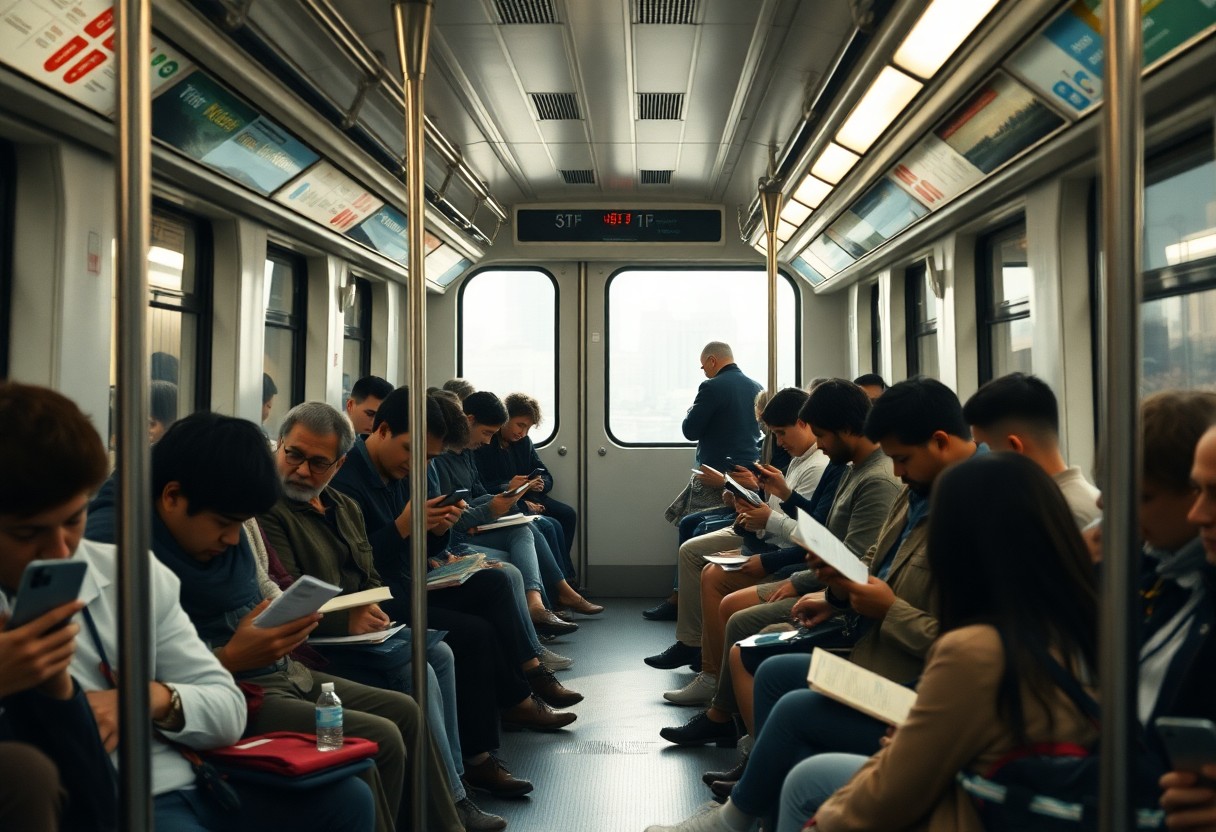
Many urban dwellers consider the effectiveness of public transport in their daily lives. In this blog post, you will explore a comprehensive comparison of various cities as you navigate their public transit systems for an entire month. By assessing factors such as accessibility, affordability, and efficiency, you can gain valuable insights into how different cities cater to your commuting needs, ultimately influencing your travel choices and lifestyle.
Key Takeaways:
- Public transport efficiency varies significantly across cities, impacting travel time and convenience.
- Cost of public transport can differ widely, affecting the overall budget for daily commuting.
- Accessibility and coverage of public transport options play a major role in user experiences.
- Overall satisfaction is influenced by factors such as cleanliness, safety, and delays.
- Integration between different modes of transport (buses, trains, trams) enhances usability.
Navigating Urban Landscapes: A Comparative Analysis
City Comparison Overview
| City A | City B | City C |
|---|---|---|
| High accessibility | Fast and efficient | Positive cultural perception |
| Comprehensive network | Extensive coverage | Community-focused initiatives |
City A: Infrastructure and Accessibility
City A features a robust public transport infrastructure, boasting a well-designed system of buses, trams, and subways that ensure you can reach most neighborhoods within 30 minutes. Stations are conveniently located, minimizing your walking distance and enhancing overall accessibility. The use of technology, such as real-time tracking and mobile apps, further simplifies your commuting experience.
City B: Transportation Efficiency and Coverage
City B excels in transportation efficiency, providing quick, reliable, and extensive services that cover both urban and suburban areas. With a high frequency of trains and buses, you rarely need to wait long for your next ride. This expansive network promotes seamless connectivity between major hubs, allowing you to navigate both the city center and outskirts effortlessly.
In City B, the remarkable speed of public transport stands out, with an average wait time of just five minutes during peak hours. The integration of an advanced fare system encourages you to seamlessly transfer between various modes of transport, streamlining your journeys. Not only does this enhance your travel experience, but it also reduces reliance on personal vehicles, contributing to lower traffic congestion and improved air quality.
City C: Cultural Attitudes Towards Public Transport
City C embodies a strong cultural acceptance of public transport, where utilizing buses and trains is commonplace among residents. This positive attitude is reinforced by government campaigns promoting public transport as the eco-friendly choice. Many citizens view it as a social responsibility, contributing to reduced urban congestion and pollution.
The local community in City C takes pride in their transport system, often emphasizing sustainability and collective well-being. Events celebrating public transport milestones create a collective identity, fostering a sense of belonging among commuters. This cultural embrace not only enhances usage rates but also encourages you to consider public transport as a primary means of travel rather than a last resort.
Real Costs of Relying on Public Transit
The financial implications of using public transportation extend beyond mere fare payments. You must consider the hidden expenses that can arise, including costs for delayed commutes, meal expenses while waiting, and occasional rideshares for trips not serviced by public transport. Understanding these factors will help you gauge the true financial burden of this mode of travel.
Financial Implications: Fares and Hidden Expenses
Monthly transit passes often seem like a bargain, yet they fail to encompass additional expenses such as late-night travel or frequent transfers that might require alternative transport. Assessing the full scope of your travel can reveal surprising costs that accumulate over time.
Time Management: Commuting Times Across Cities
Commuting times differ markedly based on city layouts and public transport efficiency. You might find yourself spending anywhere from 30 minutes to over two hours daily depending on your location and chosen transit system, impacting your overall productivity and work-life balance.
In City A, commuting averages around 30-45 minutes due to efficient subway systems with fewer transfers, allowing for quicker travel. City B may have longer disjointed commutes exceeding an hour due to its sprawling layout and less reliable service. City C, while possessing an extensive network, often experiences delays that push average travel times over 90 minutes, showcasing how varying systems influence daily life and personal efficiency.
Environmental Impact: Carbon Footprints Compared
Your choice of public transport can significantly affect environmental footprints, especially regarding carbon emissions per passenger mile. Different cities exhibit varied commitments to green transportation, influencing your overall impact on the environment.
Transportation Emissions Comparison
| City | Average CO2 Emissions (g per passenger mile) |
|---|---|
| City A | 100 |
| City B | 150 |
| City C | 200 |
The data indicates a stark contrast in the environmental impact of public transit across the cities. City A’s advanced electric bus fleet drastically reduces emissions compared to City C’s aging diesel infrastructure. The commitment from local governments to invest in sustainable options can enhance your travel choice’s positive impact on the environment.
Environmental Impact Analysis
| City | Percentage of Transit Usage |
|---|---|
| City A | 60% |
| City B | 40% |
| City C | 25% |
High percentages of transit usage in City A translate to lower overall vehicle emissions, showcasing effective urban planning and community engagement in sustainability initiatives. In contrast, Cities B and C reveal areas of improvement, highlighting opportunities for you to advocate for greener transportation policies and community programs.
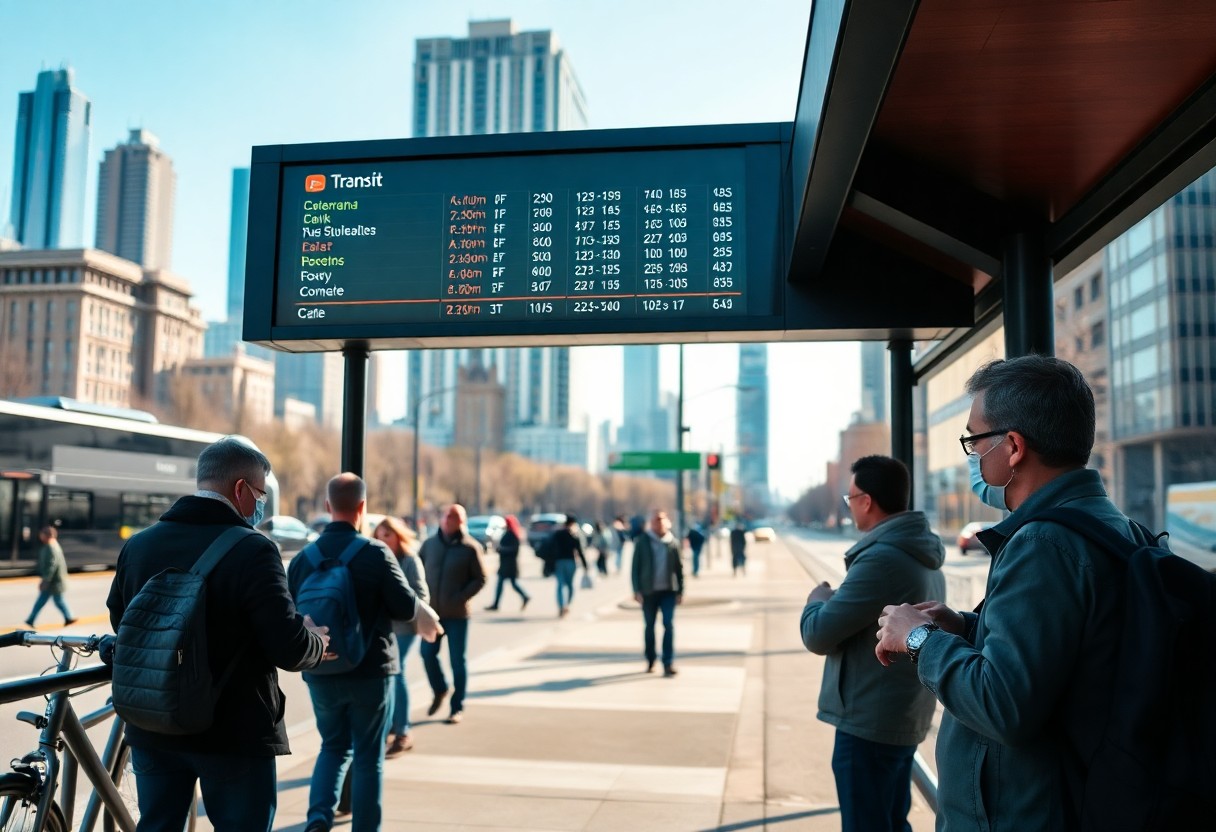
The User Experience: Comfort and Convenience
Your experience on public transportation can vary significantly based on the city you’re in. Factors like the condition of vehicles, seating availability, cleanliness, and overall ride quality contribute to your comfort level. Cities with newer fleets and better maintenance typically enhance your sense of well-being during commutes, while older, overcrowded systems can detract from it.
Amenities and Facilities: What to Expect
You might find public transport systems equipped with Wi-Fi, charging stations, and air conditioning, which can make your journey more enjoyable. However, the availability of these amenities often depends on the city and type of transit. Some urban areas prioritize a more comfortable riding experience with modern features, while others may still rely on outdated infrastructure.
Safety and Security: Perceptions and Realities
Your feelings of safety on public transport can be influenced by the environment and the system’s reputation. While many urban transit systems employ security measures, perceptions of safety may not always reflect the actual risk. Understanding these dynamics can help you navigate your city with greater confidence.
Statistics show that public transport generally has lower crime rates compared to private vehicles, yet perceptions can dramatically sway based on personal experiences or media reports. In some cities, well-lit stations and the presence of uniformed personnel enhance feelings of security, while in others, poorly maintained areas can heighten anxiety, regardless of crime levels. Being aware of these factors allows you to make informed choices about your travel routes and times.
Reliability: How Timeliness Affects Daily Life
Punctuality in public transport can directly impact your daily routine. Frequent delays or cancellations can lead to missed appointments and decreased productivity. Cities with high reliability often provide real-time updates, helping you plan your schedule more effectively.
In cities where public transport maintains a strong adherence to schedules, daily life can run smoothly, with users experiencing less stress and better time management. For instance, when trams arrive every 10 minutes and buses run like clockwork, you can plan your day with precision. Conversely, unpredictable systems may leave you waiting, throwing off your entire day’s agenda. Making reliability a priority in transit planning can elevate the overall user experience significantly.
Social Dynamics: Interactions on Public Transit
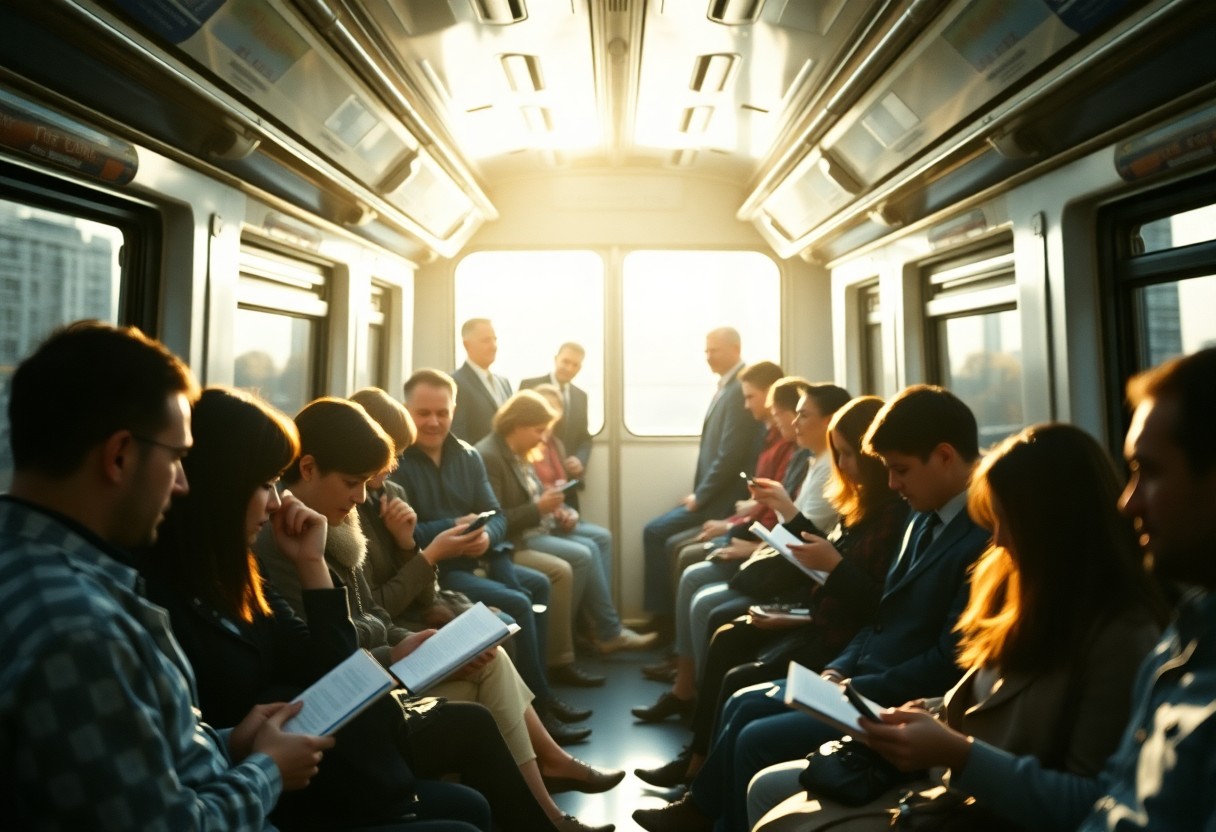
Experiences on public transport often reflect the complexities of social interactions, creating a microcosm of daily life. You may encounter a diverse range of behaviors and attitudes, from the quiet commuter deeply absorbed in their phone to the lively group discussing their day. Conversations may spark unexpectedly, creating connections or reinforcing the sense of isolation prevalent in urban settings. Each journey becomes a brief encounter woven into the fabric of community dynamics.
Demographics: Who Uses Public Transport?
The user base of public transport is remarkably diverse, encompassing a wide array of demographics. You’ll find students commuting to school, professionals heading to work, and retirees enjoying their day out. According to recent studies, nearly 54% of public transport users are commuters aged 18-34, a reflection of urban population trends. This blend highlights the inclusive nature of transit systems, catering to various lifestyles and socioeconomic backgrounds.
Behavioral Patterns: The Unwritten Rules
Understanding the unwritten rules of public transport can enhance your experience significantly. Observing others, you may notice that people often maintain a respectful distance while waiting, provide seating for elderly passengers, and generally avoid loud conversations. Many riders adhere to a ‘no eye contact’ rule, seeking personal space. These behaviors foster a sense of mutual respect among commuters and create a more pleasant travel environment.
Unwritten rules extend beyond basic etiquette, stepping into social norms that govern behavior on public transport. You might pick up on the expectation to stand clear of doors while others exit or how commuters shift to the back of a bus as more passengers board. Those who break these norms often receive disapproving glances, reinforcing compliance among the majority who prioritize a smooth, collective journey. The rhythm of travel relies heavily on this instinctive understanding of camaraderie and personal space.
Community Building: Transit as a Social Space
Public transport serves as an unintentional community hub, where shared experiences foster connections among strangers. You can witness this phenomenon through casual conversations or friendly smiles exchanged during commutes. Regular riders may even find themselves recognizing familiar faces, creating an informal network that transcends mere functionality.
The transit environment often becomes a canvas for community building. Beyond just a means of getting from point A to B, buses and trains facilitate interactions that can cultivate friendships or spark collaborations. As you navigate your daily routes, you might overhear discussions about local events or job opportunities, enhancing the sense of belonging in the urban fabric. Transit systems therefore transform the mundane into a dynamic social space, bridging gaps between diverse residents and fostering a shared identity.
Lessons from a Month of Commuting: Personal Insights
Your month-long journey on public transport revealed stark realities and valuable insights. This experience not only underscored the importance of efficient systems but also highlighted variations in city infrastructures. Understanding the comparative metrics on commuting, you can glean insights from sources like Best (and Worst) Cities for Commuting on Public to appreciate which cities excelled at moving their populace efficiently.
Adaptation: Shifts in Lifestyle and Habits
Reflections on Mobility: Freedom vs. Constraints
The paradox of public transport lies in its duality. You often felt a sense of freedom, with access to various neighborhoods and locations, yet faced constraints tied to schedules and routes. This tension prompts consideration of how mobility influences your daily life.
Reflecting deeper on freedom versus constraints reveals a dynamic interplay in urban mobility. While public transport offers connectivity and accessibility, it can also impose limitations on spontaneity and personalized travel paths. Delays, overcrowding, and limited routes may restrict your willingness to explore beyond familiar zones, showcasing the pros and cons of relying on public systems. This awareness pushes you to weigh your personal value on convenience against the unpredictability inherent in shared travel.
Future of Commuting: Innovations and Trends
Upon reflecting on your experience of using public transport for 30 days, you gain unique insights into the varying efficiencies, accessibility, and cultural nuances across different cities. This journey not only enhances your understanding of urban infrastructure but also influences your perspective on sustainability and community engagement. By comparing these transit systems, you can make informed choices that contribute to smarter commuting and advocate for improvements in your own city. Your exploration underscores the importance of public transport as a vital component of urban life.
FAQ
Q: What cities are included in the 30 Days Using Only Public Transport challenge?
A: The challenge includes major cities such as New York, London, Tokyo, Paris, and Sydney, each known for their unique public transport systems.
Q: What types of public transport can be used during the challenge?
A: Participants can use buses, subways, trams, and ferries as part of the public transport options available in each city.
Q: Are there any specific rules for the public transport challenge?
A: Participants must rely solely on public transport for all travel, including commuting to work, running errands, and leisure activities, without using personal vehicles or taxis.
Q: What are some benefits of using public transport for 30 days?
A: Benefits include reducing carbon emissions, saving money on fuel and parking, experiencing city life from a different perspective, and potentially improving mental health through less stress from driving.
Q: How can participants track their experiences during the challenge?
A: Participants can keep a daily journal, use social media to document their journey, or utilize travel apps to record routes and experiences throughout the 30 days.