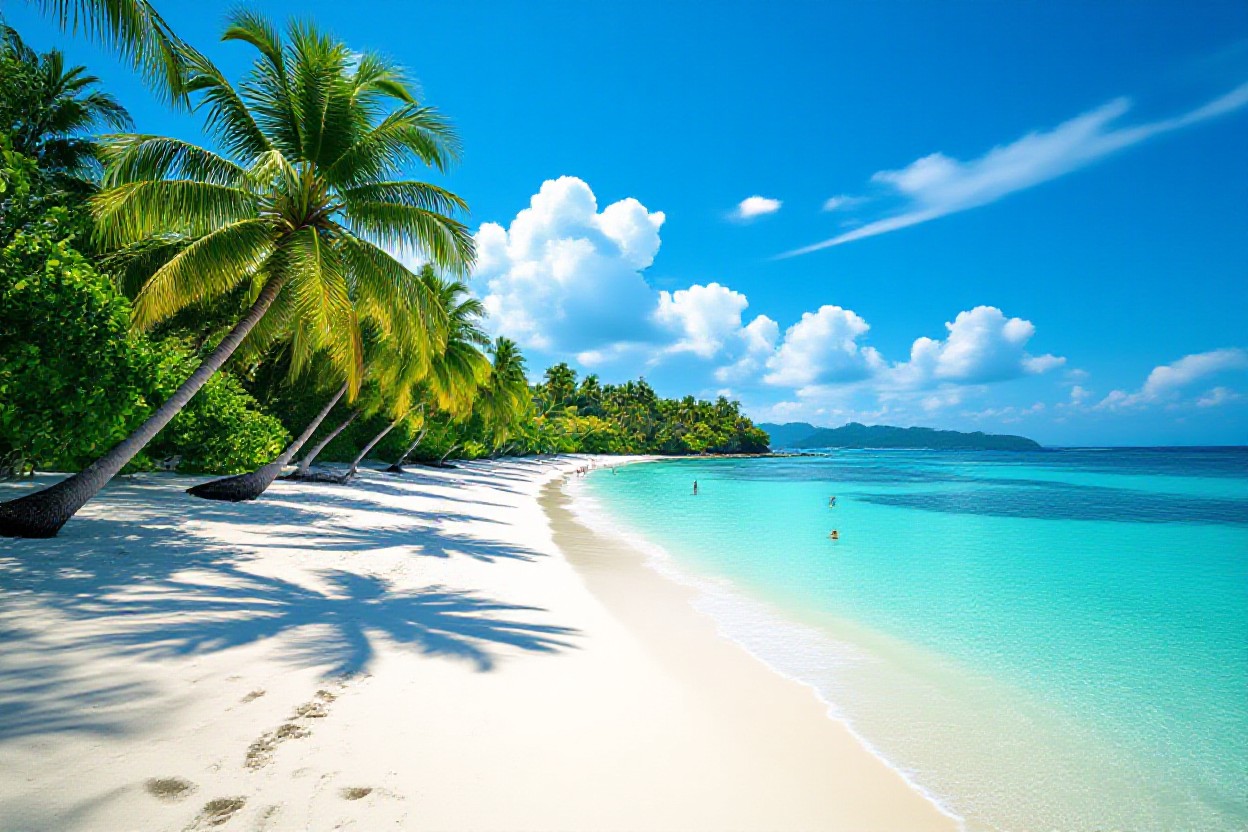
It’s time you visit the world’s most magical places before viral tourism transforms them; from Raja Ampat’s reefs to Madagascar’s baobabs, this list guides your choices so you can plan trips that beat the crowd, protect local cultures, and enjoy authentic experiences while access and affordability still permit it.
Key Takeaways:
- Act quickly – destinations like Raja Ampat, Palawan and Albania’s Riviera are seeing rapid growth; visit before they become crowded or commercialised.
- Travel shoulder seasons (e.g., May/October, Oct-Apr, Nov-Mar) for better weather, lower prices and fewer tourists.
- Choose emerging or less-developed regions (Bolivia, Madagascar, Laos, Georgia) for authentic culture, wildlife and better value.
- Prioritise low-impact travel: support local businesses, respect access limits and follow conservation rules in fragile areas (Svalbard, Lofoten, Raja Ampat).
- Plan diverse experiences and book ahead for peak draws – volcano hikes, sunrise at Lake Atitlán, Salar de Uyuni tours and island lagoon trips sell out fast.
The Allure of Raja Ampat, Indonesia
You’ll find sprawling karst islands, glass-clear lagoons and dive sites where a single drop-off can host hundreds of reef species; Cape Kri once recorded 374 fish species in one dive, and sites like Dampier Strait, Misool and Wayag deliver consistent encounters with manta rays and pygmy seahorses. With tourism climbing fast, plan your route now so you can island-hop between remote villages, snorkel right off rustic homestays, and experience reefs that still feel largely untouched.
Natural Beauty and Biodiversity
You arrive into a mosaic of pinnacles, mangroves and seagrass beds that support roughly 75% of the world’s known coral species and more than 1,400 reef fish species; endemic birds like the Wilson’s bird-of-paradise inhabit the forested islands, while underwater you’ll see dense coral cover, schooling barracuda, and cleaning stations frequented by reef mantas.
Best Time to Experience
You’ll get the calmest seas and clearest visibility between October and April, when water temperatures hover around 27-30°C and visibility often reaches 20-30 meters; manta sightings and top diving conditions peak in this window, but note holiday spikes in December-January that push prices and crowds up.
For practical planning you should budget for a 7-10 day itinerary to cover Dampier Strait, Misool and Wayag-shorter trips miss key sites; fly into Sorong (daily connections from Jakarta or Makassar), then take a 2-3 hour speedboat or overnight ferry to Waisai. Book liveaboards early for peak months, aim for midweek transfers to avoid weekend crowding, and factor in limited resort capacity and rising tourism when choosing dates and accommodations.
Hidden Treasures of Albania’s Riviera
Tucked along rocky headlands and olive terraces, Albania’s Riviera rewards you with crystalline coves like Dhërmi and Jale, dramatic Llogara Pass panoramas, and quieter gems such as Porto Palermo and Gjipe Canyon. Base yourself in Himarë for easy day trips, island-hopping and authentic tavernas; visit June-September for the warmest sea and village festivals, but plan ahead as direct flights and ferry links are steadily increasing visitor numbers.
Affordable Mediterranean Escape
You can stretch your travel budget without sacrificing seaside comfort: tavernas serve fresh grilled fish for about €6-€12 and waterfront private rooms typically range €25-€70 per night in peak season. Prices are often roughly half what you’d pay on the Amalfi Coast or Côte d’Azur, so you can afford boat hires, guided kayak trips and multi-day stays while still dining well.
Cultural Highlights
History here is layered: Butrint, a UNESCO World Heritage Site, showcases Greek, Roman and Venetian ruins, while Porto Palermo’s Ali Pasha fortress reflects Ottoman-era influence. You’ll hear UNESCO-recognised iso-polyphonic singing in village kafene, encounter Greek-speaking communities near Sarandë, and sample regional dishes like fërgesë and fresh octopus at lively markets.
For deeper immersion, book a guided tour of Butrint to study its baptistery mosaics and Roman forum (allow 2-3 hours), browse artisan workshops in Dhërmi, and spend an evening in Himarë to catch live polyphonic performances; local guides typically charge €20-€40 and add context on clan customs, maritime trade and preservation efforts.
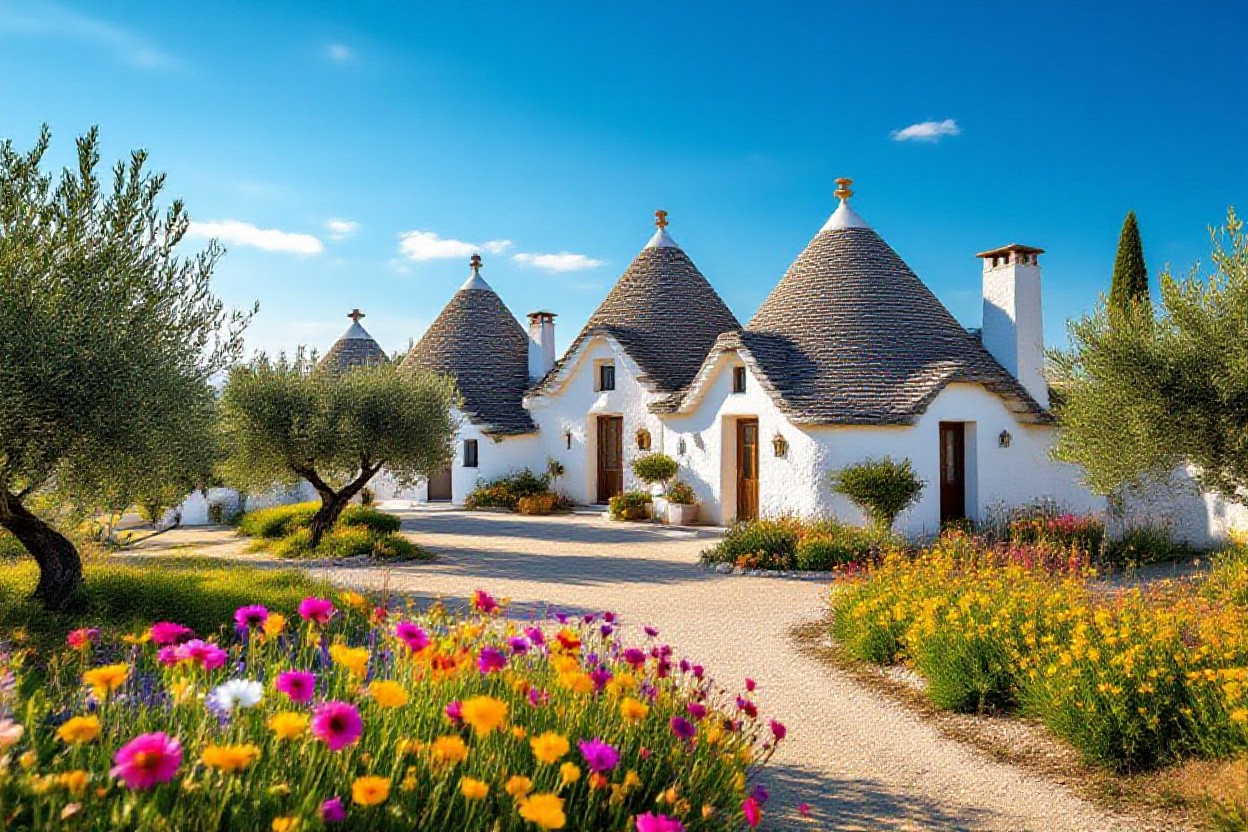
Discovering Puglia, Italy
Wander trulli-lined lanes in Alberobello (UNESCO, 1996), climb Polignano a Mare’s limestone cliffs for Adriatic sunsets, and cycle through centuries-old olive groves that produce roughly 40% of Italy’s olive oil; you’ll find far fewer tourists here than on the Amalfi Coast, especially outside July-August. Pick May-June or September for pleasant sea temperatures and quieter towns like Ostuni and Monopoli, where local life still runs at its authentic, unhurried pace.
Scenic Coastal Villages
Polignano a Mare’s Lama Monachile, Monopoli’s harbor-front old town, Otranto’s fortified seafront and Gallipoli’s baroque centro storico offer a mix of cliff-top views, hidden coves and seafood trattorie; you can kayak into sea caves, snorkel off Torre Sant’Andrea’s stacks, or stroll promenades that remain pleasantly uncrowded outside peak weeks, making sunrise and golden-hour photos genuinely yours.
Unique Culinary Experiences
You’ll eat like a local: orecchiette made by hand, creamy burrata from Andria, taralli with a glass of Primitivo di Manduria and street-food panzerotti in Bari. Join an olive-oil tasting to compare single-estate extra virgin oils, sample fresh Adriatic seafood in fish markets, and pair meals with Negroamaro and Primitivo wines from Salento for an authentic regional menu.
For deeper immersion, book a hands-on class at a masseria near Fasano or Ostuni where producers teach orecchiette-making and ragu techniques; visit Mercato del Pesce in Bari at dawn for squid and red shrimp, then tour a cantina in Manduria to taste Primitivo DOCG vintages. Plan an olive-harvest experience in October-November to press oil with locals and learn how centenary trees shape Puglia’s flavors.
The Untamed Wilderness of Svalbard, Norway
Venture to Svalbard, an Arctic archipelago between roughly 74°-81°N where glaciers cover about 60% of the land and Longyearbyen’s ~2,400 residents are your launchpad; you’ll encounter midnight sun (approx Apr 20-Aug 22) and polar night (approx Nov 28-Jan 14), and pressure to limit visitor numbers and enforce stricter access rules means now is the time to explore responsibly.
Arctic Adventures
You can hike blue-ice glaciers like Austfonna, join dog‑sled or snowmobile expeditions in late winter, or take zodiac cruises through Isfjorden and Hornsund; operators run small-group trips, summer (June-Aug) offers easy boat access and midnight sun while late winter delivers snow-based activities and clearer chances for northern lights.
Wildlife Encounters
Polar bears, walruses, Svalbard reindeer and arctic foxes share this landscape, and seabird cliffs such as Alkefjellet host tens of thousands of breeding birds; you’ll want licensed guides to ensure safe, legal viewing and to maintain appropriate distances from wildlife.
For better sightings, sign up for expedition cruises or day trips targeting Prins Karls Forland or Nordaustlandet, where guides follow strict protocols; photographers typically bring 400-600mm lenses, and scientific monitoring by the Norwegian Polar Institute means sightings often tie into long‑term studies-booking with operators like Oceanwide or Hurtigruten increases your odds and keeps impact low.
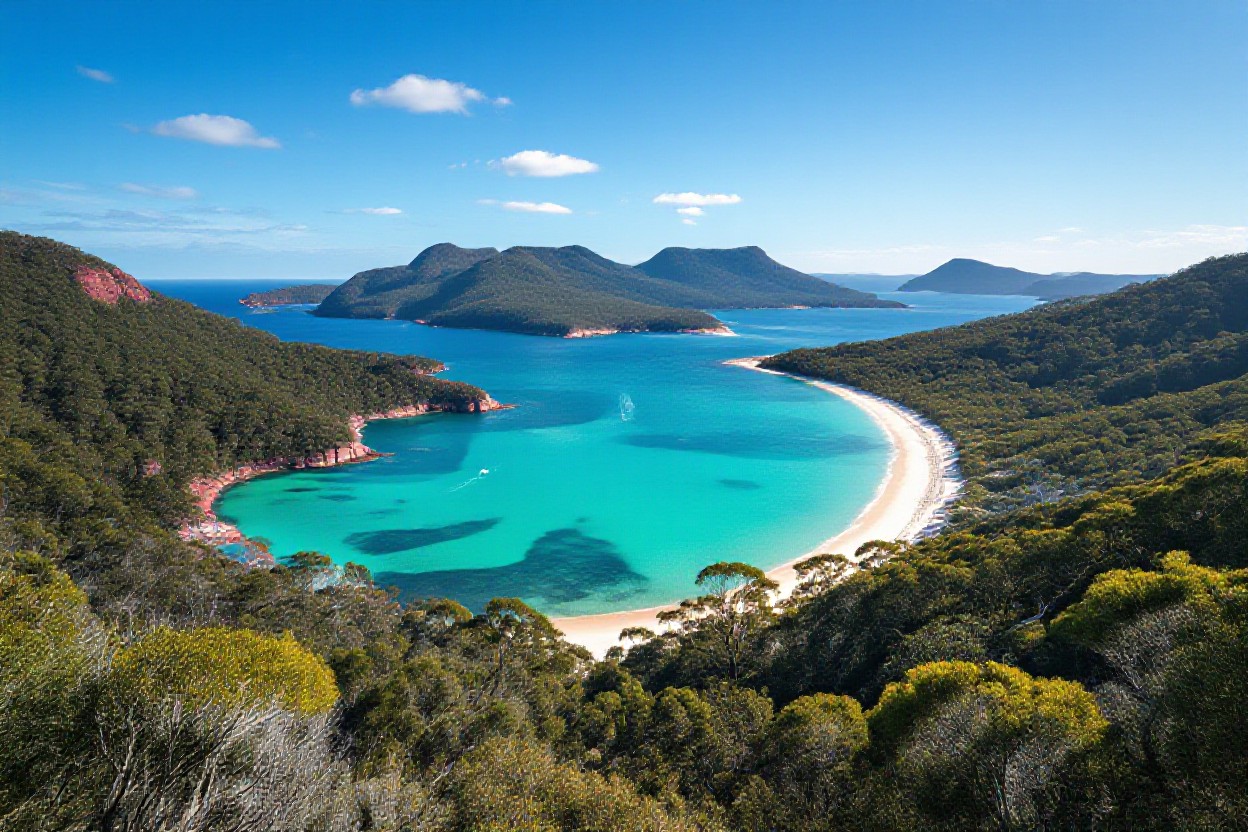
Tasmania’s Unique Landscapes
You’ll find Tasmania’s patchwork of jagged coastlines, alpine plateaus and ancient rainforests across roughly 68,401 km², where dramatic sea cliffs meet quiet bays. From November-March you can hike in warm weather, spot Tasmanian devils and wallabies, and still encounter uncrowded beaches and viewpoints that feel privately yours.
National Parks and Hiking
In Cradle Mountain-Lake St Clair National Park you can tackle the 65 km Overland Track over 4-7 days, while Freycinet National Park rewards shorter day hikes with Wineglass Bay’s curved white sand. kunanyi/Mt Wellington rises to 1,271 m above Hobart for quick alpine views, and coastal trails at the Bay of Fires put you within metres of orange lichen‑lined boulders and turquoise water.
Culinary and Wine Trails
You can trace cool‑climate wine routes from Hobart to the Tamar Valley, tasting Tasmanian pinot noir and sparkling wines at boutique cellar doors and pairing them with Bruny Island oysters, artisan cheeses and locally reared lamb. Salamanca Market on Saturdays showcases dozens of producers, turning food and wine into a prime reason to linger longer.
Book a tasting at Josef Chromy in the Tamar Valley or visit Moorilla Estate at MONA for cellar‑door experiences, then join a sea‑to‑plate oyster tour on Bruny Island; Coal River Valley lunches and guided vineyard walks highlight small‑batch pinots and rieslings you won’t easily find elsewhere, so plan tastings and transfers in advance to get the most out of each boutique producer.
The Charm of Paros, Greece
You’ll find Paros in the Cyclades at the height of what Santorini once was: whitewashed alleys, fishing harbours like Naoussa, and Parikia’s Byzantine Ekatontapiliani church. With roughly 13,000 residents, the island still feels local outside July-August; high-speed ferries from Piraeus take about 3-4 hours, conventional boats 4-6. Explore granite formations at Kolymbithres and windsurf Golden Beach, and plan shoulder-season visits in May or October to beat the social-feed rush.
Authentic Greek Experience
You can dine in small-family tavernas in Naoussa where fishermen bring in cephalopods and sea bream daily, taste Parian cheeses and honey at the central market, and hike from Lefkes along marble-paved paths through olive terraces. Visit local workshops for handwoven textiles and join an evening plateia for raki and live bouzouki-these are the real moments that outshine staged sunset views.
Tips for Avoiding Crowds
Avoid peak July-August weekends and aim for early mornings: Kolymbithres and Santa Maria are peaceful before 09:00, while day-trippers swell ports mid-morning. Rent a scooter or car to reach quieter bays like Faragas or Piso Livadi, use KTEL bus timetables to skip packed shuttles, and consider a private half-day boat to access secluded coves that larger tours can’t reach.
- Take the first ferry from Piraeus to arrive before most day-trippers (high-speed 3-4 hours).
- Stay on the island for at least four nights to explore interior villages and avoid tourist rotation cycles.
- Use public bus timetables-buses often run hourly off-peak, letting you plan quieter excursions.
- Perceiving quieter coves means arriving before 09:00 and being willing to walk 10-20 minutes from main beaches.
If you want more control, book accommodations in Parikia’s side streets or Naoussa outskirts where nightly rates in July-August can spike 50-100% compared with May/October; a private boat hire typically runs around €150-€300 for a half-day and lets you anchor in bays like Krios or Laggeri with few others. Also consider a quick 8-10 minute ferry hop to Antiparos at dawn-its cave and village are blissfully undisturbed before noon.
- Schedule beach days for weekdays and swap popular sunset spots for early-evening tavernas with harbour views.
- Opt for guided morning hikes from Lefkes to Prodromos to avoid midday heat and crowds.
- Use local contacts-hoteliers and tavern owners will tip you off to empty beaches and low-traffic times.
- Perceiving the island’s rhythm-slow down, wake early, and you’ll discover Paros before it fills up.
To wrap up
On the whole, if you want to see the world’s most magical places before they become overrun, prioritize these 15 destinations and plan travel during off- or shoulder seasons, book small local operators, and move quickly-your best experiences will come from visiting now, before viral trends and mass tourism change them.
FAQ
Q: Which of the 15 destinations are most likely to become overcrowded soon, and why?
A: Raja Ampat, Paros, Palawan, Albania’s Riviera and parts of Puglia are rising fastest because social-media exposure and improving flight connections boost visitor numbers quickly. Raja Ampat and Palawan are vulnerable due to fragile marine ecosystems and limited infrastructure; Paros and Albania offer cheaper Mediterranean alternatives that attract European summer crowds; Puglia draws visitors seeking an uncrowded Italian coast. Svalbard and Madagascar face different pressures: stricter access or conservation measures are likely when environmental impacts increase. Prioritise visits now if you want quieter experiences and support local conservation fees while you can.
Q: When is the best time to visit these places to avoid crowds while still having good weather?
A: Aim for shoulder seasons and early/late windows specific to each destination: Raja Ampat – October-April (drier months, but check boat schedules); Paros – May and October; Puglia – late spring or early autumn; Albania’s Riviera – June and September avoid peak July-August; Palawan – start or end of the dry season (November and April/May); Tasmania – November-March for warm weather but pick weekdays; Hokkaido – outside major ski weeks or Golden Week; Lofoten – spring/early autumn for fewer tourists; Guatemala and Bolivia – shoulder months before or after peak dry-season tourism. For polar areas like Svalbard, visit in shoulder seasons with appropriate gear and guided support. Weekdays, early mornings, and staying outside main hubs further reduce encounters with crowds.
Q: What practical steps can I take to travel responsibly so local communities and ecosystems benefit?
A: Book licensed local guides and locally owned accommodations; pay official park or conservation fees; choose small-group operators for fragile sites (coral reefs, wildlife habitats); use reef-safe sunscreen and avoid single-use plastics; follow wildlife-distance rules and stay on marked trails; buy food, crafts and services from local vendors rather than international chains; offset unavoidable emissions through reputable programs and favour overland or multi-stop routing when possible. Respect cultural norms, permit systems and avoid contributing to unchecked development by asking operators about site-restoration and community projects they support.
Q: What logistical and safety preparations are recommended for remote or adventure destinations among the 15?
A: Arrange comprehensive travel insurance with emergency evacuation and activity cover; check vaccination and entry requirements; carry cash for places with limited card acceptance; confirm domestic flight and boat schedules in advance (Raja Ampat, Palawan, Madagascar); pack layered clothing, waterproofs and good footwear for varying terrain; bring altitude-acclimatisation plans for Bolivia (Salar de Uyuni) and appropriate cold-weather gear for Svalbard and Lofoten; carry basic medical supplies and malaria prevention where advised; download offline maps and contact numbers; notify accommodations of late arrivals and verify fuel/food availability in remote areas.
Q: How should I prioritise which destinations to visit first if I have limited time and budget?
A: Cluster destinations by region to minimise long-haul flights: Europe – Albania’s Riviera, Puglia, Paros; Asia-Pacific – Raja Ampat, Palawan, Hokkaido, Tasmania; Americas – Guatemala, Bolivia; Africa/Indian Ocean – Madagascar, Oman. Prioritise unique ecosystems or sites with limited access (Raja Ampat, Madagascar, Svalbard, Salar de Uyuni) if uniqueness matters most; choose rising-but-still-affordable coasts (Albania, Puglia, Paros) for lower-cost Mediterranean experiences. Save money by travelling shoulder seasons, booking regional carriers or multi-city itineraries, using local transport, and staying in guesthouses. If time is short, pick one region and combine nearby highlights to maximise experiences per travel day.