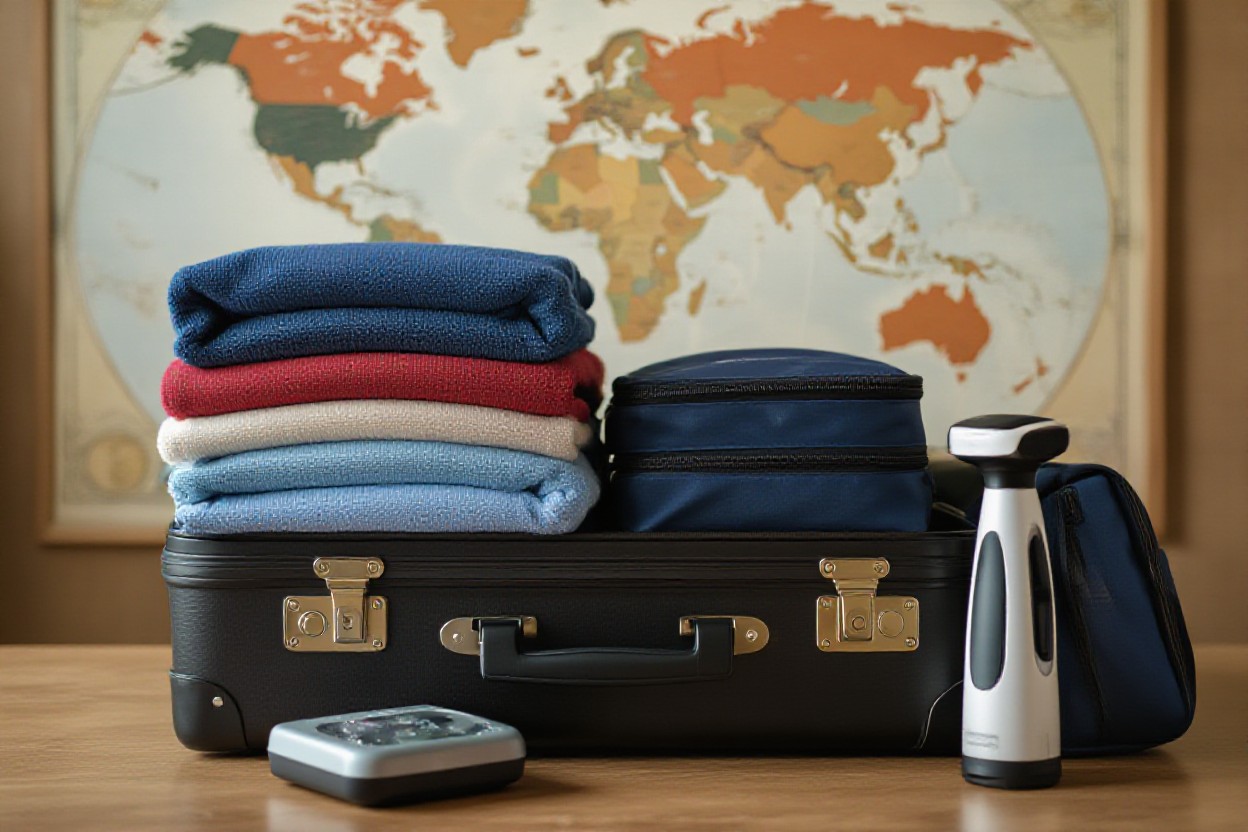
Travel smarter by adopting 15 proven packing habits that make your trips faster, lighter and far less stressful; you’ll use the 5-4-3-2-1 outfit rule, roll not fold, pack outfits instead of random items, employ packing cubes, wear bulky layers on the plane, rely on travel-friendly toiletries, keep digital copies and an always-ready toiletry bag so your packing becomes routine rather than chaos.
Key Takeaways:
- Use the “5-4-3-2-1” rule to plan outfits and limit extras so packing stays streamlined.
- Roll clothes and use packing cubes to save space, reduce wrinkles, and keep items sorted.
- Pack complete outfits rather than single items to speed getting dressed and avoid overpacking.
- Wear bulky layers on travel days to lighten your bag and free up suitcase space.
- Prepack travel imperatives and backups: solid toiletries/refillables, a ready toiletry kit, digital copies of documents, a hidden spare underwear, and a laundry bag for dirty clothes.
The 5-4-3-2-1 Packing Method
Simplifying Outfits
Apply the 5-4-3-2-1 rule by choosing 5 tops, 4 bottoms, 3 layering pieces, 2 pairs of shoes, and 1 statement jacket or dress; for a 7-day trip that setup creates 40+ outfit combinations. Pair two neutral bottoms with colorful tops and one versatile blazer to cover city days, dinners, and a light hike without overpacking, so you travel lighter and still look put-together.
Efficient Essentials
Treat importants with the same math: pack 5 daily-use items for yourself (toothbrush, phone charger, wallet, refillable water bottle, SPF), 4 backups (spare underwear, extra SD card, mini first-aid kit, emergency cash), 3 tech cables, 2 toiletries in travel-size containers (≤100ml), and 1 document pouch-this structure keeps items accessible so you avoid last-minute scrambling at security or on arrival.
Use a 1L clear zip bag for liquids to meet TSA limits and a compact cable organizer with labeled loops for three cables plus one 20,000mAh battery to cut tangles and bulk. Pack meds in original blister packs, stash emergency cash in a hidden pocket, and bring a multiport USB charger so you only need one outlet at airports or hotel rooms.
Rolling vs. Folding Clothes
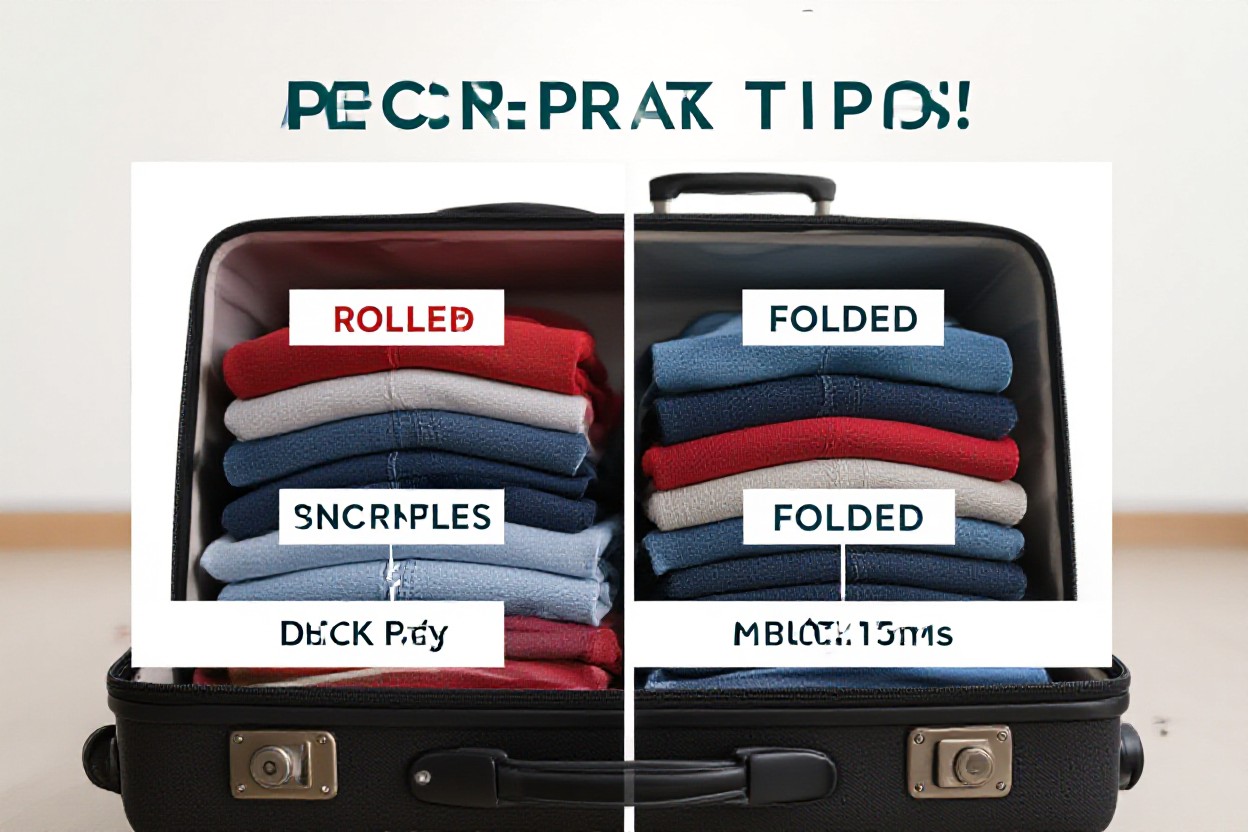
Pick rolling for T‑shirts, leggings and casual wear and folding for structured items like blazers and dress shirts; rolling often frees up to 25-30% more space than flat folding, letting you fit 2-3 extra shirts in a 35-40L backpack. Use a hybrid approach: roll bulkier casuals into packing cubes and lay folded dress pieces on top to keep shape without wasting room.
Space-saving Techniques
Combine tight rolls with packing cubes or a single compression bag to shave volume-rolling four T‑shirts into a cube can cut their footprint by roughly a quarter. Stuff gaps with socks and underwear, nest shoes with socks inside, and follow the 5‑4‑3‑2‑1 outfit rule so every roll serves a planned outfit rather than loose items.
Reducing Wrinkles
For knit and stretchy fabrics, rolling reduces creases by minimizing folds; place lightweight items inside rolled tees to stabilize them. Structured cotton shirts and blazers fare better folded along seams or kept in a packing folder, and placing them flat on top of packed rolls limits pressure points that cause lines.
If you spot wrinkles on arrival, hang garments in the bathroom while you take a hot shower-the steam relaxes fibres within 10-15 minutes. Carry a small travel steamer or a 50-100ml bottle of wrinkle‑release spray for quick fixes, and slide shirt collars into shoe spaces to retain shape during transit.
Packing by Outfits
Planning Ahead
Use the 5-4-3-2-1 rule to map outfits to your itinerary: 5 tops, 4 bottoms, 3 layers, 2 shoes, 1 jacket for a typical week-long trip, then tweak for weather and activities. Lay out outfits by day and pack each set into its own packing cube so you can grab a complete look without riffling. Schedule a quick laundry every 3-4 days to halve the number of items you need to bring.
Minimizing Excess
Choose a neutral capsule palette and limit shoes to 2-3 pairs to multiply outfit options without adding weight; merino wool tops resist odors so you can wear them multiple times, and a single travel blazer can serve for evenings and meetings. Prioritize multi-use pieces-convertible pants, a packable rain shell, and a scarf that doubles as a wrap-so every item pulls double duty.
For a concrete 7-day example, pack 3 bottoms (jeans, lightweight trousers, shorts), 4 tops (2 tees, 1 button-up, 1 merino long-sleeve), 1 dress or smart layer, and 2 shoes (walking sneakers and slip-on dress shoes). Roll clothes into cubes by outfit, stash underwear in jacket pockets for emergencies, and carry a small detergent packet to refresh crucials. Cutting one pair of shoes alone saves roughly 0.5-1 kg and frees significant space; combine that with rolling and single-purpose toiletry swaps (solid shampoo bar, refillable tube) and you’ll consistently travel lighter without sacrificing looks.
Organizing with Packing Cubes
You can tame suitcase chaos by choosing the right cubes and a clear system: use 2-3 small/medium cubes for a weekend, 3-5 for a week, and 5-7 for longer trips. Assign colours or labels, mix compression cubes for bulky items and mesh-top cubes for visibility, and use a slim cube for underwear and socks. Test cube combinations at home once-most travelers cut wasted space by 20-30%.
Categorizing Clothing
You’ll save time by grouping like with like: keep tops in a medium cube, bottoms plus layers in a large cube, and underwear, socks, and swimwear in a small cube. Colour-code or tag each cube, or follow the 5-4-3-2-1 rule-pack five tops, four bottoms, three layers, two shoes, one set of sleepwear-and place outfit cubes together so you can grab a ready-made outfit without rifling through everything.
Streamlining Access
Put the cube for tomorrow on top so you don’t unpack everything at your destination; use mesh panels for instant visibility and zip pulls for quick opening. Label cubes with days 1-7 on a week trip, stash a slim “vitals” cube in the carry-on with chargers, meds and a compact toiletry kit, and reserve one cube for clean garments only to avoid mixing dirty laundry.
Arrange cubes by priority: travel-day items and a spare outfit go at the top, followed by daily outfit cubes stacked in order. Use transparent or contrasting-colour cubes so you can spot the right one in seconds; for business trips, pack wrinkle-resistant fabrics in a single cube and use a small cube for ties and belts to avoid creases. You can label with masking tape or printable tags and update the order after laundry.
Travel-Friendly Toiletries
Solid Alternatives
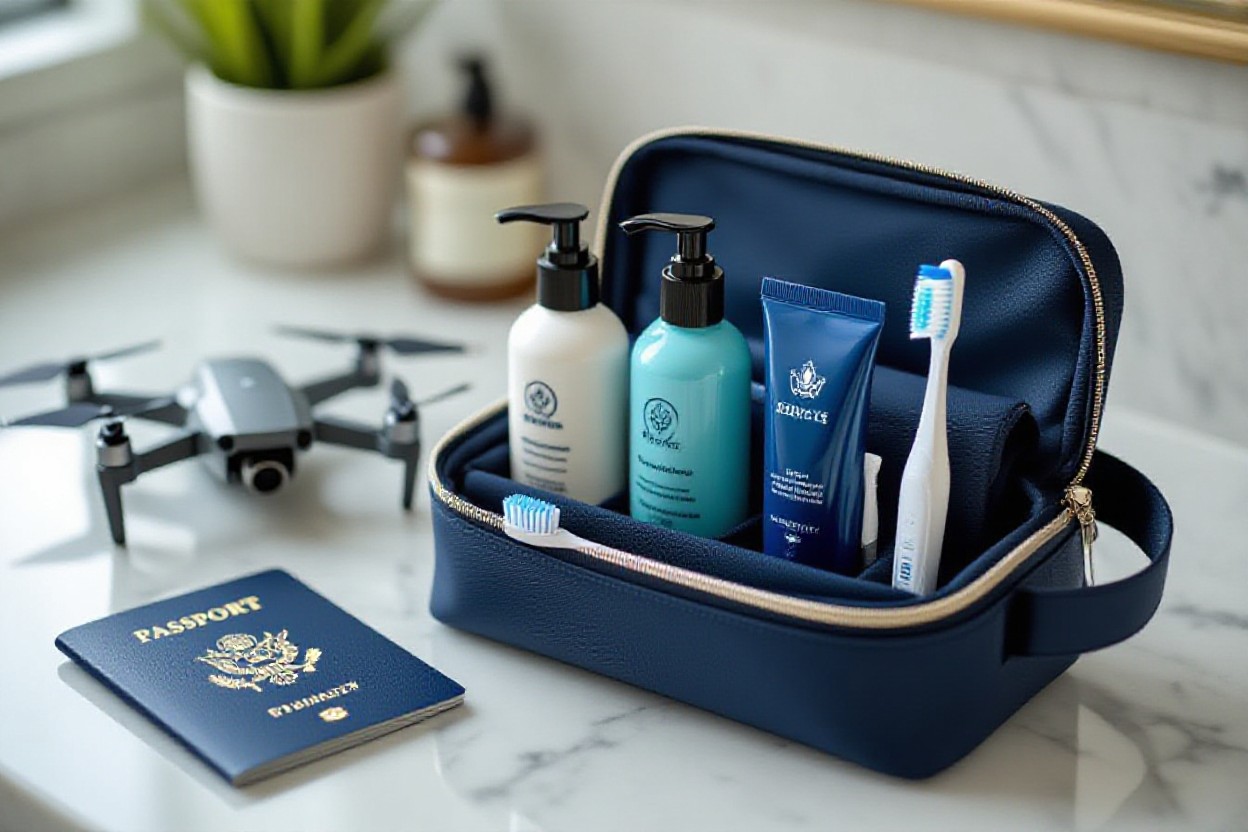
Swap liquids for shampoo bars, conditioner bars, soap bars and solid deodorants to bypass the 100 ml limit and cut weight-many bars last 40-80 washes, which often saves 30-50% of space and weight versus bottles. You’ll also avoid leaks; pack bars in a ventilated tin or mesh pouch to dry between uses. Brands like Ethique or local artisan bars are easy to find and ideal for multi-week trips.
Refillable Containers
Pack TSA-compliant 100 ml (3.4 oz) bottles and smaller 30-50 ml options for weekends, using silicone squeeze bottles, lockable pump tops or aluminium atomizers for perfume. You can label each container with a permanent marker or waterproof sticker and store them in a clear quart-sized bag for security checks. Choose soft-sided bottles that squeeze easily and have tamper-proof caps to prevent leaks in transit.
When filling, use a small funnel or syringe from bulk bottles to avoid waste, and rinse containers with warm soapy water then air-dry to prevent residue buildup. You’ll want to test lids by inverting a filled bottle over a towel for five minutes before packing; bring one spare empty container as backup and keep liquids separated in a sealed pouch to limit mess if a seal fails.
The Importance of Digital Copies
Scan passports, visas, insurance cards and booking confirmations at 300 dpi and save searchable PDFs and JPEGs so you can find info quickly. Store at least two separate copies – an encrypted cloud copy and an offline encrypted USB – and email a copy to yourself for redundancy. Use clear filenames like Passport_YourName_Country_EXPxxxx to speed up retrieval and keep copies for the trip plus 30 days in case issues arise.
Security Measures
Use a password manager to create unique passwords and enable two‑factor authentication on cloud accounts you use for documents. Encrypt files with AES‑256 via tools like VeraCrypt, BitLocker or password‑protected PDFs and choose passphrases of 12+ characters. Avoid storing unencrypted copies on shared devices or public Wi‑Fi; when you must access files on the go, use a VPN and log out when finished.
Backup Access
Keep two distinct access methods: a cloud service (Google Drive, iCloud, Dropbox) with offline folders enabled and an encrypted USB in your carry‑on. Test access from another device before you leave, store an emailed copy for quick retrieval, and use consistent filenames so you can find documents in seconds.
Create a TravelDocs folder in your cloud, upload scans, enable offline availability on your phone, and share an expiring view‑only link with a trusted contact. On top of that, copy the same encrypted container to a USB and tuck a printed key page into a separate bag; practice retrieving one file from the cloud and the USB to confirm everything works before departure.
Summing up
So you can make packing faster, lighter and stress-free by applying the 15 proven tips: use the 5-4-3-2-1 rule, roll clothes, pack outfits not items, use packing cubes, wear bulky pieces, choose travel-friendly toiletries, keep digital copies, maintain a ready toiletry bag, tuck spare underwear in jacket pockets, use a laundry bag, and adopt the other five smart strategies to streamline and safeguard every trip.
FAQ
Q: What is the “5-4-3-2-1” rule and how do I apply it to build outfits quickly?
A: The “5-4-3-2-1” rule is a simple formula: pack 5 tops, 4 bottoms, 3 shoes/accessories (or fewer if shoes are bulky), 2 outer layers, and 1 versatile dressier outfit. Choose a neutral color palette so every top pairs with every bottom, and pick fabrics that layer well. Use this as a baseline for trips of about a week; adjust counts up or down by two for longer or shorter stays. This prevents overpacking while ensuring you have options for daytime, evening, and changing weather.
Q: How do I get the most space and keep clothes wrinkle-free?
A: Roll soft items tightly instead of folding to compress volume and reduce creases. Place rolled garments in packing cubes sorted by category (tops, bottoms, underwear). Use a thin layer of tissue or dry-silk between sensitive items and compress gently. For dressier pieces, place them flat on top inside a dedicated garment sleeve or hang them in your carry-on to avoid heavy compression. Combining rolling with packing cubes keeps things compact and easy to find.
Q: What toiletries should I pack to save space and comply with carry-on rules?
A: Swap full liquid bottles for travel-friendly options: solid shampoo/conditioner bars, bar soap, and refillable 100 ml bottles for imperatives. Keep a pre-packed toiletry kit with leak-proof containers and a waterproof lining so it’s ready for quick departures. Include multipurpose items (BB cream with SPF, 2-in-1 shampoo/conditioner where acceptable) and a small microfiber towel. Store liquids in a clear plastic pouch for security checks to speed up screening.
Q: How can I protect documents and handle emergencies without weighing down my luggage?
A: Create digital copies of passports, visas, tickets, and reservation confirmations and store them encrypted in the cloud and offline on your phone. Keep a slim printed backup in a separate place from originals. Use the “underwear trick”: tuck a spare pair or two into an inner jacket pocket for quick access if luggage is delayed. Also pack a small emergency kit in your carry-on with a compact charger, a credit card-sized multi-tool where allowed, and a lightweight reusable bag for unexpected needs.
Q: What organization habits make packing faster and reduce stress at trip end?
A: Pack outfits, not isolated items – plan full looks for each day to avoid overpacking. Use dedicated packing cubes for clean clothes, a labeled laundry bag for dirty items, and an external shoe compartment or shoe bag to protect fabrics. Wear bulky items like coats and boots on travel days to save interior space. Keep a toiletry bag permanently stocked and a short checklist for re-stocking before trips; that makes last-minute departures smooth and ensures you always have imperatives ready.