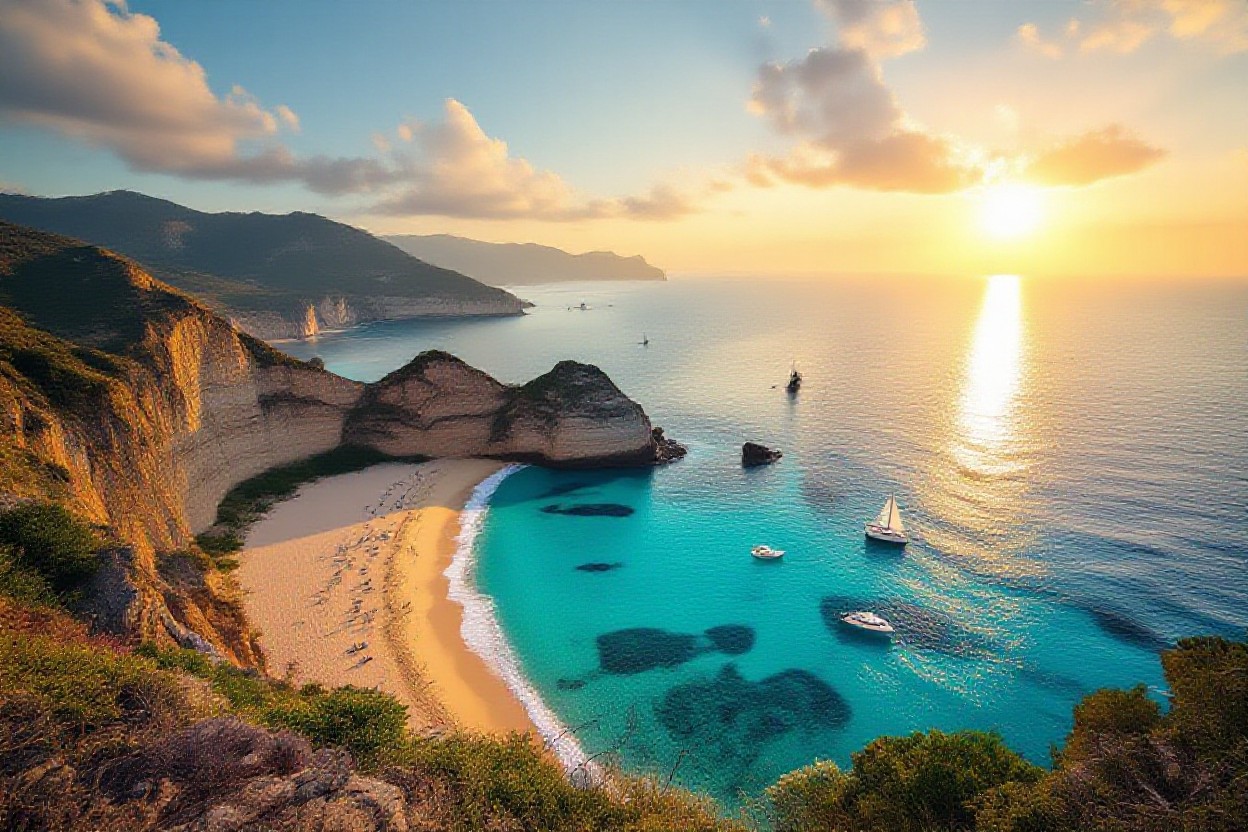
With soft sand, crystal-clear water and breathtaking scenery, this 2026 list guides you to 12 of the world’s most beautiful beaches so you can prioritize Whitehaven’s silica shores, Navagio’s shipwreck cove, the Maldives’ postcard atolls, pink sands of Indonesia and other iconic destinations for your next travel itinerary.
Key Takeaways:
- Varied sand colors and textures – from Whitehaven’s silica-white and Indonesia’s pink sand to Grace Bay’s powdery shores and the crystal-clear lagoons of Maldives and Bora Bora.
- Distinctive landmarks define each spot – Navagio’s shipwreck cove, Railay’s limestone cliffs, Anse Source d’Argent’s granite boulders, and Tulum’s coastal ruins.
- Water- and sunset-focused experiences – excellent snorkeling, calm swimming, lagoon exploration and memorable sunsets (Wailea, Bora Bora, Matira).
- Global spread spans remote atolls to accessible coastlines – Seychelles, French Polynesia and the Maldives for seclusion; Portugal, Mexico and Hawaii for easier access.
- Season and stewardship influence visits – weather, crowding and erosion affect conditions, so plan timing and follow local conservation guidelines to protect these beaches.
Criteria for Selection
We weighed sand texture, water clarity, scenic features and conservation status so you get beaches that deliver both spectacle and substance. You’ll note specifics like Whitehaven’s 98% silica sand, Navagio’s shipwreck framing a cove, Pink Beach’s unique pigments and Bora Bora’s lagoon depth. Practical metrics – accessibility, safety, on-site facilities and biodiversity (coral cover, nesting sites) – were scored to ensure each entry is outstanding for swimmers, snorkelers and photographers alike.
Natural Beauty
You’ll find varied signatures that define beauty: Whitehaven’s blinding white silica, Pink Beach’s rosy hue from crushed shells, Anse Source d’Argent’s giant granite boulders and Railay’s dramatic limestone walls. Coral-rich atolls in the Maldives and Bora Bora offer turquoise gradations and visibility often exceeding 30 meters, while Wailea on Maui combines reef snorkeling with sunset colors – these physical features directly informed selection.
Accessibility
Access was measured by transport options, travel time and on-site infrastructure so you can realistically visit; Navagio is boat-only, Bora Bora and many Maldivian atolls require seaplane or speedboat transfers, while Grace Bay is a short drive from Providenciales airport and generally resort-friendly. You’ll also find some beaches demand hikes or boat charters, which raises the time and cost considerations in our ranking.
When planning, you should check transfer schedules, seasonal weather windows and any permit rules: seaplane availability to Bora Bora often requires booking weeks ahead, some Maldives atolls limit visitor numbers, and tide charts affect landing at Pink Beach or the Tulum ruins. You’ll benefit from booking guided boat transfers for Navagio and confirming resort accessibility features at Grace Bay if you need ramps or assisted entry into calm waters.
Top Beaches Overview
Beach Profiles
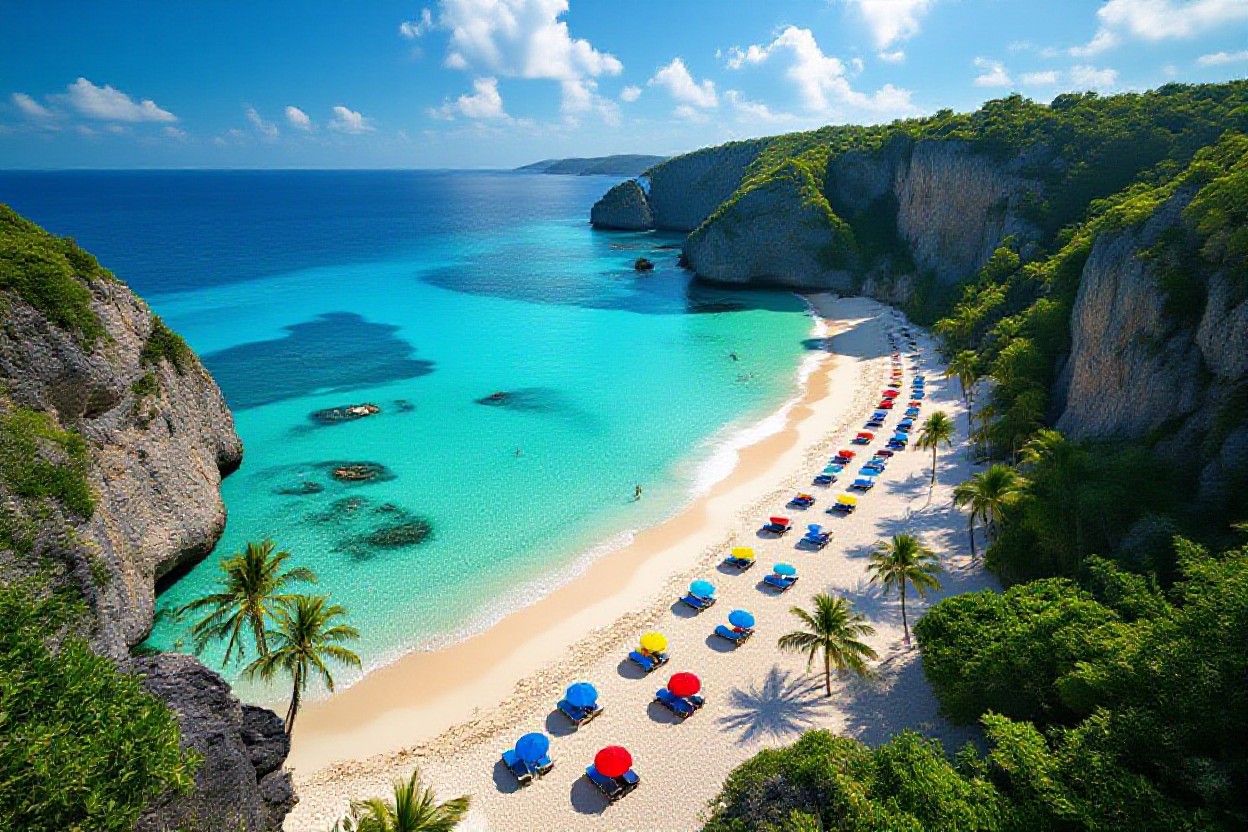
You’ll encounter a range of shorelines: Whitehaven’s 7 km of 98% silica sand, Navagio’s shipwreck-fringed cove accessible only by boat, the Maldives’ atolls with 20-40 m visibility for snorkelers, and Pink Beach’s rosy hue from crushed shells and foraminifera. Railay’s limestone cliffs draw climbers, Grace Bay offers calm, swimmer-friendly lagoons, and Praia da Marinha shows dramatic cliffs and sea arches – each site gives you distinct scenery and activities.
Unique Characteristics
Each beach presents a signature trait you can plan around: Anse Source d’Argent’s giant granite boulders create sheltered tide pools, Tulum pairs white sand with Mayan ruins directly above the shore, Bora Bora’s barrier reef forms a turquoise lagoon ideal for paddleboarding, and Maui’s Wailea delivers reliable sunsets plus snorkeling with reef fish. These features shape how you explore, photograph and experience each destination.
When you consider why these traits matter, geology and biology explain a lot: silica reflects sunlight so Whitehaven feels brilliantly white and stays cooler underfoot, foraminifera tint Pink Beach by adding microscopic red fragments to sand, limestone karst at Railay creates climbing routes and hidden coves, and coral reef structures around Bora Bora buffer waves, producing calm water with 20-30 m visibility – details that steer your choices for swimming, photography or adventure.
Regional Highlights
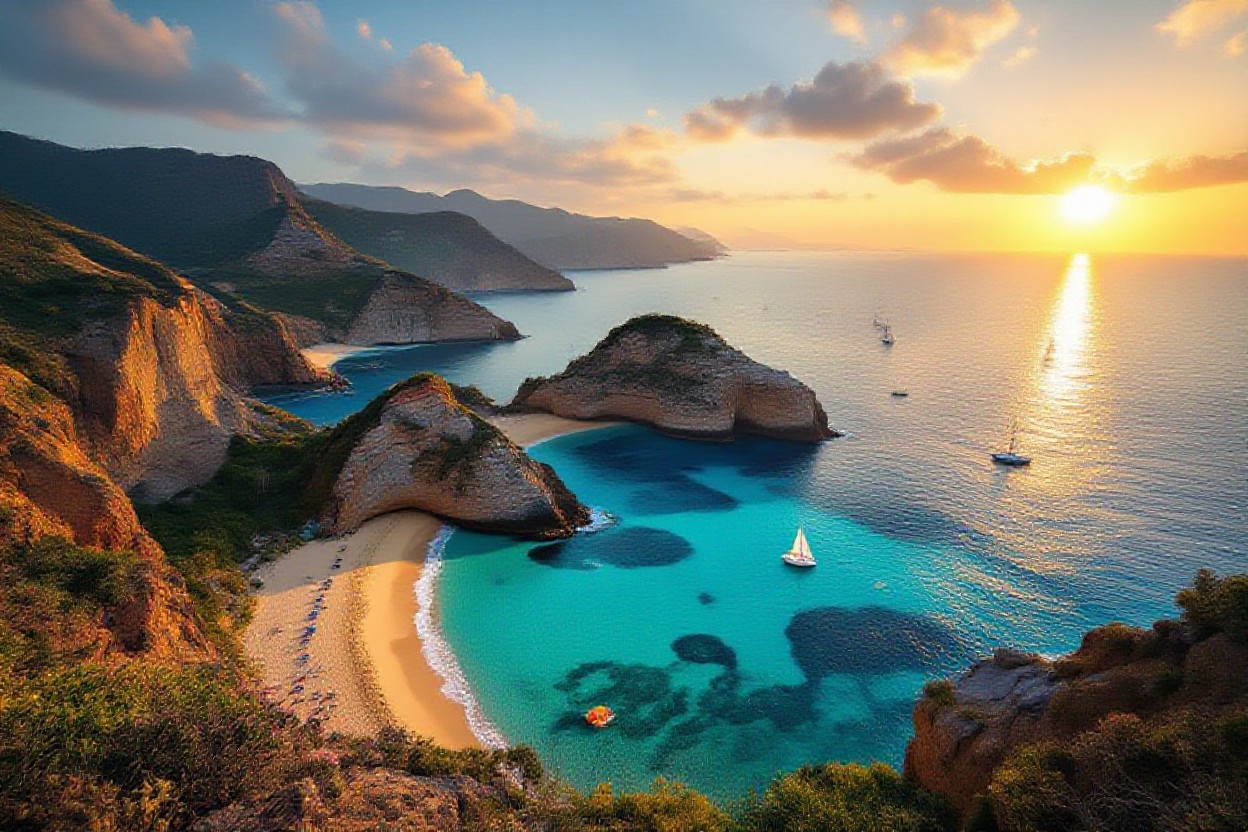
Across regions you’ll encounter distinct coastal personalities: Whitehaven’s 7 km of 98% silica sand in Australia, Bora Bora’s shallow turquoise lagoon dotted with overwater bungalows, and Algarve’s Praia da Marinha with its orange limestone cliffs and sea caves. You can use seasonal windows-shoulder months cut crowds-and prioritize access: some destinations demand boats, others offer cliff-top viewpoints and short walks to the sand.
Oceania
In Oceania you’ll find extremes of color and accessibility: Whitehaven’s powdery 7 km stretch, Bora Bora’s iconic lagoon perfect for snorkel trips and shallow reef swims, Matira’s broad shoreline for sunset strolls, and Maui’s Wailea where snorkeling and evening colors converge. You can often hop between islands by short flights or boat transfers, making multi-beach itineraries practical.
Europe
Europe concentrates dramatic coastal scenery where you can combine culture and beach time: Navagio (Zakynthos) frames a rusted shipwreck inside a steep cove you reach only by boat, while Praia da Marinha in Portugal rewards you with natural arches and cliff-top viewpoints. You’ll find clear Mediterranean waters, accessible viewpoints for photography, and compact towns nearby for dining after the beach.
For Europe-specific planning, you should aim for April-June or September-October to avoid peak crowds and catch softer light for photos. Navagio’s boat-only access means booking a tour in advance; Praia da Marinha has limited parking and a short descent to the sand, so arrive early. Local protections often restrict anchoring or fires, so follow signage and preserve water clarity for everyone.
Activities and Attractions
Across these shores you’ll find a mix of adrenaline and relaxation: snorkel crystal-clear lagoons in Bora Bora where visibility often exceeds 20 meters, stroll Whitehaven’s 7 km of 98% silica sand, and boat to Navagio’s shipwreck for iconic photos. You can climb Railay’s limestone faces, watch Maui’s reefs teem with fish at Wailea, and explore Tulum’s cliff-top Mayan ruins just steps from the surf-each beach pairs scenery with distinct on- and offshore activities tailored to your interests.
Water Sports
Choose from snorkeling in the Maldives’ atolls to discover vibrant coral gardens, paddleboarding over Grace Bay’s calm waters ideal for beginners, or surfing and snorkeling off Maui’s Wailea coast where reefs host turtles and tropical fish. Boat excursions to Navagio let you swim around the shipwreck and cliff-jump sites, while Bora Bora’s lagoon offers guided manta and reef-slope dives for certified divers seeking bigger marine life encounters.
Cultural Experiences
Visit Tulum to walk Mayan ruins dating to the 13th-15th centuries that overlook white-sand beaches, sample Seychellois Creole cuisine near Anse Source d’Argent on La Digue, and join local festivals or village markets on Zakynthos and in the Algarve to learn fishing traditions and coastal crafts. You’ll deepen your beach days by engaging with the communities that shaped these shorelines.
For deeper immersion, book a 1-2 hour guided archaeological tour at Tulum to understand trade routes and coastal defense, take a Creole cooking class in the Seychelles to master coconut-based sauces, or join a guided boat trip to Navagio where skippers recount the 1980s shipwreck lore. Also consider renting a bike on La Digue to access secluded coves, or attending a Tahitian dance performance in Bora Bora for firsthand cultural context while you explore the beaches.
Travel Tips
Plan logistics early: book flights 2-3 months ahead for popular summer windows and 6-12 months for Maldives or Bora Bora overwater villas, pack reef-safe sunscreen and a snorkel (many beaches have vibrant reefs), and check local rules like Komodo park permits or Tulum ruin entry times. Expect transfers by speedboat or seaplane on atolls and factor in 1-3 hour boat rides at some islands. Knowing tide schedules, park fees and transfer times will make every beach day run smoothly.
- Pack reef-safe sunscreen, a lightweight snorkel set and water shoes for rocky shores.
- Pre-book transfers-seaplanes and speedboats often sell out in high season.
- Check tide charts for Navagio and Praia da Marinha to time optimal photo windows.
- Carry local cash for small vendors in Tulum, Seychelles and some Greek islands.
Best Times to Visit
Whitehaven shines May-September; Navagio and most Greek islands peak June-September; Maldives is driest November-April; Indonesia’s Pink Beach and Komodo are best April-October; Railay and Tulum favor November-April; Grace Bay has calm water December-April but faces hurricane season June-November; Bora Bora and Tahiti are ideal May-October; Praia da Marinha is busiest May-September-plan around these windows to balance weather and crowds.
Accommodation Options
You’ll find everything from €40 guesthouses (Portugal, parts of Thailand) to boutique villas in Tulum (€150-€500/night) and luxury overwater bungalows in the Maldives or Bora Bora (often $600-$2,000/night). Book 2-3 months ahead for mid-range hotels, longer for specialty rooms; consider eco-lodges in Seychelles or family-run pensions in Greece for closer local character and lower rates.
For concrete budgeting, expect midrange hotels in Maui or Turks & Caicos at $150-$350/night, boutique Tulum stays $150-$400, and basic guesthouses around Praia da Marinha €50-€120; Komodo liveaboards start near $200/night including meals, while Maldives overwater villas commonly begin at $600/night plus transfer fees-factor transfers and park permits into total cost.
Environmental Considerations
Rising temperatures and tourism pressure are reshaping these coastlines: Whitehaven’s sand is about 98% pure silica and benefits from national‑park protections, while the Maldives suffered mass coral bleaching in 2016-17 that still informs restoration work today. You should factor in erosion at Tulum and local limits on beachfront development, plus pollution risks-plastic and sunscreen chemicals-that directly harm coral, seagrass and nesting turtles across the featured beaches.
Conservation Efforts
Protected areas and on‑the‑ground programs make a measurable difference: Whitehaven sits inside Whitsunday Islands National Park, Seychelles enforces nesting seasons on Anse Source d’Argent, and Maldives projects have grown thousands of coral fragments in nurseries. You can support these efforts by visiting established trails, joining sanctioned beach cleanups, and choosing operators that contribute to monitoring or fund local restoration rather than overcrowding sensitive zones.
Sustainable Travel
Opting for lower‑impact travel choices preserves the vistas you came for: prefer operators with eco certifications (look for Blue Flag beaches or verified dive programs), travel slower to reduce flights per trip, and prioritize locally run accommodations that employ community members. Small shifts-staying longer in one place, taking shared transfers, and avoiding single‑use plastics-cut emissions and revenue leakage while improving local conservation funding.
For practical steps, bring reef‑safe sunscreen free of oxybenzone and octinoxate, use a refillable water bottle, and hire certified guides for snorkeling at Bora Bora or diving near Grace Bay to avoid damaging coral. You should also check operator transparency on waste disposal and whether lodging participates in water‑use or solar initiatives-those details signal long‑term commitment to the beaches you want to protect.
Conclusion
As a reminder, these 12 beaches showcase the globe’s finest shorelines; when you plan your travels, prioritize Whitehaven’s silica, Navagio’s cove, the Maldives’ atolls, Indonesia’s pink sand, Railay’s cliffs, Grace Bay’s calm waters, Seychelles’ boulders, Tulum’s ruins, Wailea’s sunsets, Bora Bora’s lagoon, Matira’s serenity and Praia da Marinha’s dramatic cliffs to ensure your beach list reflects truly extraordinary coastal experiences.
FAQ
Q: Which of the 12 beaches are best for snorkeling and where will I see the clearest water?
A: Maldives atolls, Bora Bora Lagoon, Grace Bay (Turks & Caicos), Maui’s Wailea Beach and Matira Beach offer the clearest water and richest snorkeling. The Maldives and Bora Bora have extensive coral gardens and lagoon-protected waters, ideal for spotting reef fish, rays and turtles. Grace Bay’s calm, shallow sea gives excellent visibility for beginners. Wailea has coral patches and frequent marine life close to shore, while Matira’s shallow reef is accessible from the beach. Use reef-safe sunscreen and check local guides for the best snorkeling spots and seasonal plankton blooms that can affect visibility.
Q: What makes Whitehaven, Pink Beach, Navagio and Anse Source d’Argent so spectacular?
A: Whitehaven’s pure silica sand creates a brilliant white shoreline that stays cool underfoot and contrasts with intense turquoise water. Indonesia’s Pink Beach gets its hue from microscopic red organisms mixed with white sand, producing a subtle rosy tint. Navagio (Shipwreck Cove) combines a dramatic cliff amphitheatre with a rusting shipwreck on a narrow strip of sand, producing an iconic photo subject. Anse Source d’Argent is notable for massive granite boulders sculpted by wind and waves, framing shallow, clear pools and unique geological scenery. Each beach pairs distinctive sand, rock or landmark features with crystal-clear water and sweeping views.
Q: When is the best time of year to visit these beaches to avoid crowds and enjoy good weather?
A: For most locations aim for shoulder seasons: Whitehaven (May-September) for dry conditions in Queensland; Navagio (May-June, September) to avoid midsummer crowds; Maldives and Bora Bora (May-October offer calmer seas and fewer tourists, though Nov-Apr is drier); Pink Beach/Komodo (April-November dry window); Railay and Tulum (November-April dry season); Grace Bay (November-May); Seychelles/Anse Source d’Argent (April-May and October-November are calm transitional months); Maui/Wailea (April-May, September-October quieter); Praia da Marinha in Portugal is best late spring to early autumn (May-September) for warm weather and clearer water. Check local weather patterns and peak holiday dates to avoid crowded weekends and festivals.
Q: How accessible are these beaches and what transport should I plan for?
A: Accessibility varies: some require international flights plus local transfers. Whitehaven is reached by boat or scenic flight from the Whitsundays; Navagio is accessible only by boat from Zakynthos; Maldives requires an international flight plus boat or seaplane to atolls; Pink Beach often needs a boat from nearby islands such as Komodo or Labuan Bajo; Railay is reachable only by longtail boat from Ao Nang or Krabi; Grace Bay is near Providenciales airport with short ground travel; Anse Source d’Argent is on La Digue island-arrive by ferry then bike or walk; Tulum is a short drive from Cancún or Playa del Carmen; Maui’s Wailea is driveable from Kahului airport; Bora Bora/Matira involve international flight to Tahiti, then a short flight to Bora Bora and boat/taxi; Praia da Marinha is reachable by car with a short cliff-top walk. Plan transfers, book boats in advance and allow time for weather delays on remote routes.
Q: What are practical tips for enjoying these beaches responsibly and safely?
A: Use reef-safe sunscreen, avoid standing on or touching coral, and follow local guidelines for swimming and wildlife interactions. Stay aware of tides, currents and posted warnings-some scenic coves like Navagio and Praia da Marinha can have strong surf or drop-offs. Pack water, sun protection and a basic first-aid kit; wear reef shoes where there are rocky approaches. Support local businesses for tours and guides, carry out all trash, and use mooring buoys rather than anchoring on reefs. Respect protected areas and signage to help preserve the soft sand, clear water and breathtaking scenery for future visitors.