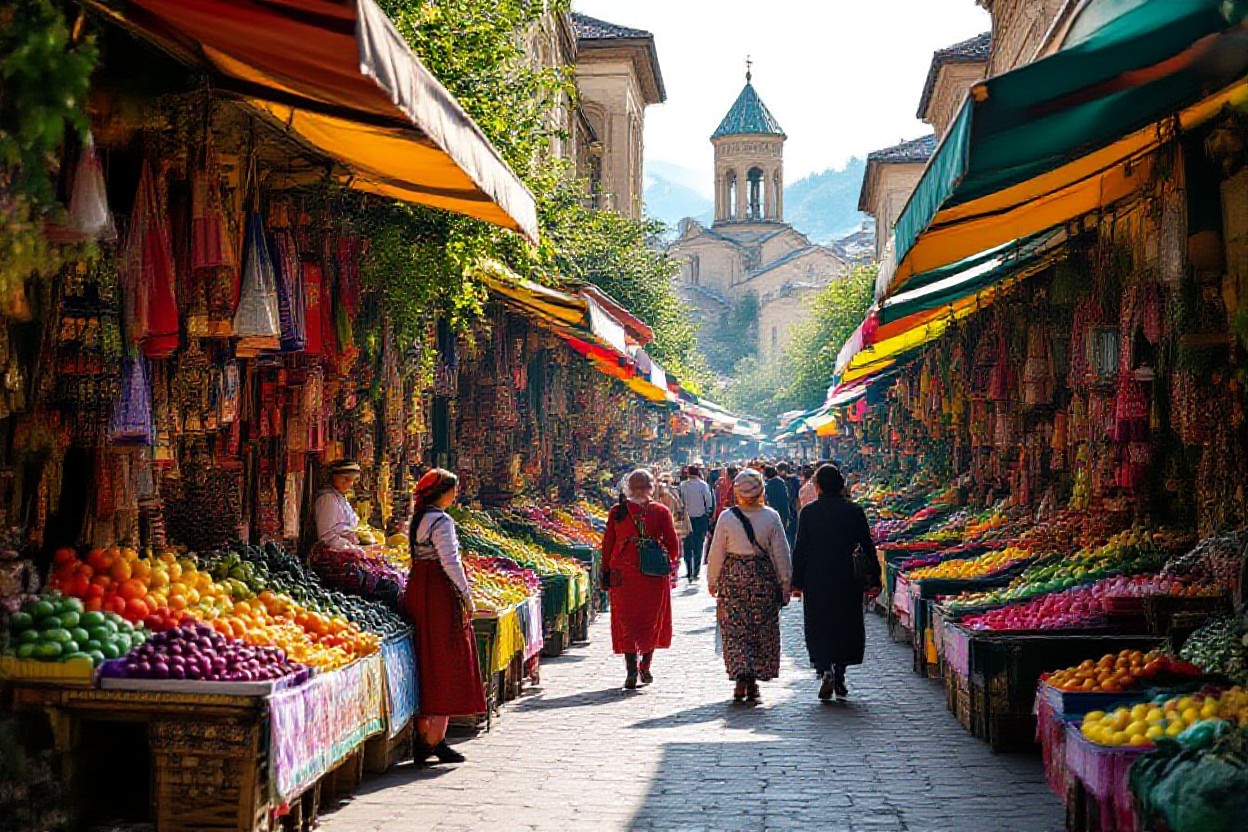
It’s time you broaden your travel map and consider overlooked countries that deliver beauty, affordability and culture without crowds: Albania’s Mediterranean beaches at Southeast Asia prices; Georgia’s mountains and wine; Oman’s deserts and welcoming cities; Guatemala’s Mayan ruins and colorful towns; Slovenia’s fairytale lakes and castles; Laos’s jungle calm; Namibia’s orange dunes and dramatic safaris; Uzbekistan’s Silk Road architecture; Uruguay’s laid-back beaches and wineries; and Montenegro’s stunning, less-touristed coastline. Why hidden gem countries are the future of sustainable travel.
Key Takeaways:
- Hidden gems deliver high-value experiences-stunning scenery and authentic culture with far fewer tourists (Albania, Montenegro, Slovenia).
- Travel on a budget without sacrificing quality: Mediterranean beaches at Southeast Asia prices and inexpensive transport (Albania, Georgia, Laos).
- Diverse landscapes and outdoor adventures are abundant: mountains and wine routes, deserts and dunes, jungles and safaris (Georgia, Oman, Laos, Namibia).
- Deep historical and cultural richness exists off the beaten path-from Silk Road architecture to Mayan ruins and medieval castles (Uzbekistan, Guatemala, Slovenia).
- Choosing overlooked countries spreads tourism benefits, eases pressure on crowded hotspots, and supports more community-led, sustainable travel (Uruguay, Montenegro).
Why hidden gem countries are the future of sustainable travel.
The Allure of Hidden Gem Countries
With global tourism focused on just 15-20 destinations, you gain quieter experiences, lower prices and more authentic interactions when you choose lesser-known countries. You can lounge on Albania’s Mediterranean beaches for Southeast Asia prices, sip qvevri wine in Georgia’s Kakheti, or photograph Namibia’s rust‑red dunes without crowds – each option delivers value, variety and direct contact with living traditions.
Distinctive Cultures
You’ll encounter living heritage everywhere: Georgia’s qvevri winemaking stretches back roughly 8,000 years, Uzbekistan’s Silk Road cities like Samarkand showcase ornate madrasahs, and Guatemala’s Tikal offers ceremonial plazas you can explore. Local rituals – Omani majlis hospitality, Laotian temple festivals, Montenegro’s coastal seafood traditions – let you participate in community life, often via inexpensive homestays or guided village tours under $20-30.
Natural Beauty
Nature arrives in striking contrasts: Slovenia’s Triglav National Park covers about 4% of the country and hides turquoise lakes, Namibia’s Sossusvlei features dunes such as “Big Daddy” rising near 325 meters, and Guatemala’s volcanic basin surrounds Lake Atitlán with three volcanoes. You’ll find dramatic scenery and photogenic solitude in each destination, frequently minutes from small towns.
Go further by trekking Georgia’s Greater Caucasus-peaks like Mount Shkhara top ~5,193 m-or driving Namibia’s Skeleton Coast to spot oryx and desert‑adapted elephants in Etosha. You can kayak Uruguay’s calm estuaries, sandboard Sossusvlei, or hike Slovenia’s Julian Alps; many guided excursions cost a fraction of comparable trips in overcrowded hotspots, reducing your footprint while boosting local economies.
Why hidden gem countries are the future of sustainable travel.
Albania: The Hidden Mediterranean
You can explore the Albanian Riviera from Ksamil to Dhërmi without the crowds or high prices that plague nearby Croatia; Sarandë’s waterfront and the Llogara Pass offer dramatic sea-to-miffountain views, while Butrint’s UNESCO ruins give you Roman and Byzantine layers within a short drive of pristine beaches. Expect Southeast Asia-level value for lodging and food, and coastal roads that reveal secluded coves accessible by short boat rides or 4×4 tracks.
Beaches and Affordability
Ksamil’s small islands and Gjipe Gorge are prime examples of turquoise water at a fraction of Western European costs; you can find guesthouses for €20-€60 per night and restaurant meals for €3-€10. Seasonal peaks hit July-August, but shoulder months (May, September) balance weather and lower prices, and public buses from Tirana to Sarandë take roughly 4-5 hours if you want to combine culture with coast without breaking your budget.
Unique Local Cuisine
If you follow food as closely as beaches, Albanian cuisine rewards you with byrek (flaky pastry with cheese or spinach), tavë kosi (baked lamb with yogurt), qofte (grilled meatballs) and abundant seafood on the Ionian coast; pair dishes with local raki or mountain tea for authentic flavors shaped by Ottoman, Mediterranean and Balkan traditions.
Byrek uses layered phyllo and can be savory or sweet, while flija-thin crepe-like layers brushed with cream-is cooked outdoors under a metal lid for communal feasts; Tasters in Tirana’s Pazari i Ri market, Berat’s backyard grills, or Sarandë’s fish stalls let you sample grilled octopus, fresh sardines and home-pressed olive oil, and many small operators offer half-day cooking classes so you can reproduce tavë kosi or flija at home.
Why hidden gem countries are the future of sustainable travel.
Georgia: The Mountainous Wine Haven
Perched along the Greater Caucasus, Georgia gives you towering peaks like Mount Kazbek (5,033 m) and ancient vine terraces reachable from Tbilisi; cheap marshrutkas and regional trains let you move between Kazbegi, Svaneti and Kakheti, so you can hike medieval towers in Ushguli (≈2,100 m) and sample centuries-old wine traditions without the crowds.
Adventure and Nature
You can tackle day hikes to Gergeti Trinity Church (≈2,170 m), multi-day routes in Svaneti and Tusheti, or ski Gudauri’s 2,200-3,000 m slopes; Borjomi-Kharagauli National Park spans about 85,000 hectares for wildlife walks, while the Aragvi and Rioni rivers offer whitewater rafting and canyoning for adrenaline seekers.
Rich Wine Heritage
With around 8,000 years of winemaking and the qvevri (buried clay vessel) method on UNESCO’s Intangible Heritage list since 2013, Georgia lets you taste indigenous grapes like Saperavi and Rkatsiteli and bold amber “orange” wines in Kakheti’s Telavi and Sighnaghi at small family cellars.
Visit producers such as Pheasant’s Tears in Sighnaghi or cellar workshops near Telavi to watch qvevri fermentation, plan for harvest in September-October to join grape processing, and stay in village guesthouses where multi-course supra-style meals are paired with successive local vintages for an immersive education in Georgian viticulture.
Why hidden gem countries are the future of sustainable travel.
Oman: A Desert Paradise
Stunning Landscapes
Jebel Shams, Oman’s highest peak at about 3,009 meters, gives you canyon hikes with dramatic drops and terraces. Sharqiya Sands (Wahiba) covers roughly 12,500 km², with dunes rising over 100 meters for night-sky camping. Wadi Shab features a 1.5-2 hour walk and boat to turquoise pools and caves, while Salalah’s Dhofar region turns green during the Khareef monsoon and hosts the UNESCO Land of Frankincense.
Warm Hospitality
You’ll experience deliberate Omani hospitality-hosts commonly serve cardamom-spiced kahwa and dates and invite you into a majlis to talk. With just over 5 million residents, communities stay close-knit, and cities like Muscat feel safe and orderly, so solo or family travel feels low-stress and welcoming.
Traditions guide encounters: accept with your right hand, come prepared to remove shoes in homes, and expect frankincense burned during greetings in Dhofar. Bedouin families in Wahiba Sands often offer overnight stays with shared meals, while Nizwa’s souq and local silversmiths give you hands-on insights into crafts and trade.
Why hidden gem countries are the future of sustainable travel.
Guatemala: A Tapestry of History
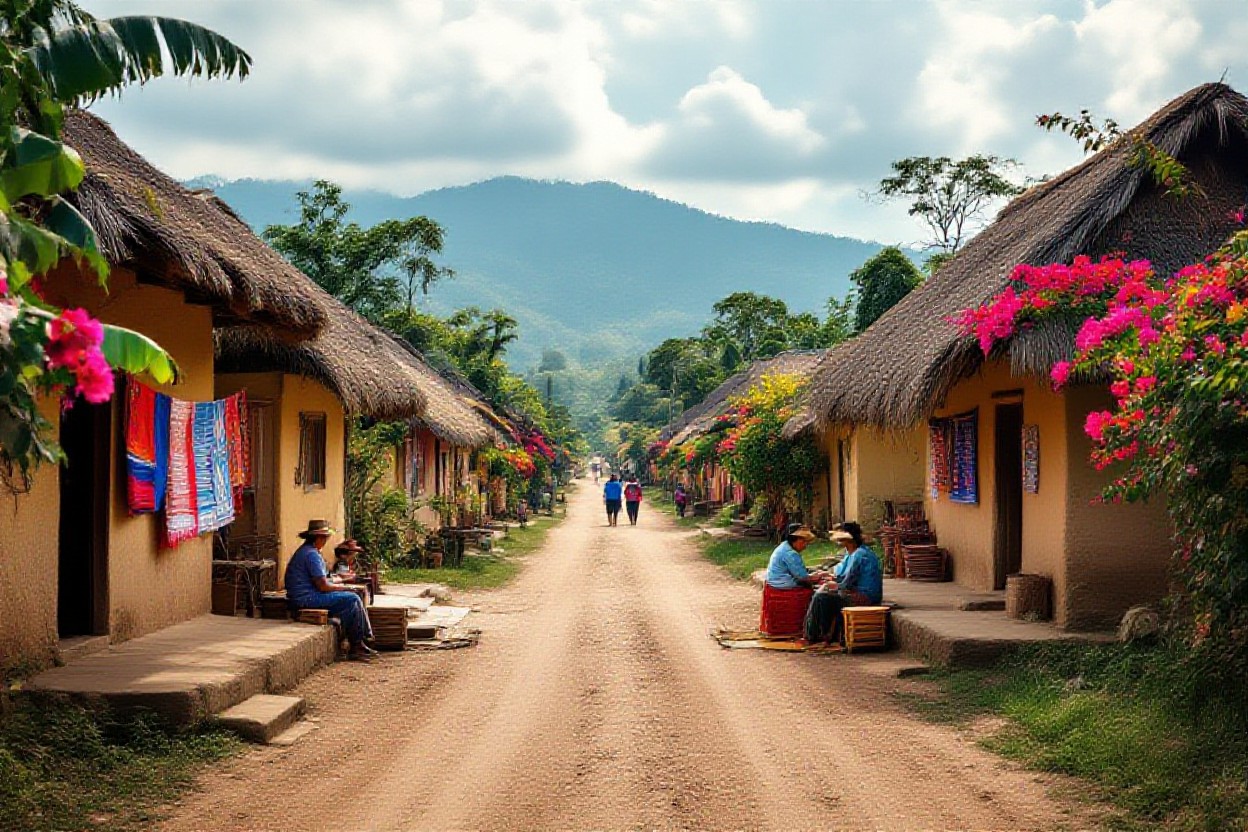
You’ll move from dense jungle to pastel colonial streets in hours: Tikal’s towering pyramids rise from the Petén canopy, Lake Atitlán sits ringed by three volcanoes and indigenous villages, and Antigua’s cobbled lanes showcase baroque churches and Semana Santa carpets – all offering culture and affordability without the crowds that clog more famous hotspots.
Ancient Mayan Ruins
You can climb Temple IV at Tikal for a sunrise panorama over jungle and spire, explore Yaxhá’s lakeside plazas, or trek to El Mirador’s massive Preclassic complexes; Tikal National Park (a UNESCO site) dates back over 1,200 years and gives you direct contact with astronomy-driven plazas, stelae, and carved hieroglyphs rarely seen alongside such quiet surroundings.
Vibrant Local Traditions
You encounter living traditions everywhere: Chichicastenango’s market (Thursdays and Sundays with some 400 stalls) mixes K’iche’ ceremonies at Santo Tomás with handwoven huipiles; in Antigua you’ll witness Semana Santa’s sawdust alfombras stretching for blocks, and in lakeside towns artisans still use natural indigo and backstrap looms to weave community patterns.
You can learn the meaning behind motifs – deer, quetzal, corn and village glyphs mark lineage and town identity – by joining a half-day backstrap-loom workshop in San Juan La Laguna or buying directly from cooperatives in Sololá, which channels money back to artisans. Festivals draw locals and visitors: Antigua’s Semana Santa brings tens of thousands for processions and ephemeral art, while smaller village fiestas preserve rites sung in Kaqchikel or K’iche’.
Why hidden gem countries are the future of sustainable travel.
Slovenia: A Fairytale Destination
Scenic Lakes and Castles
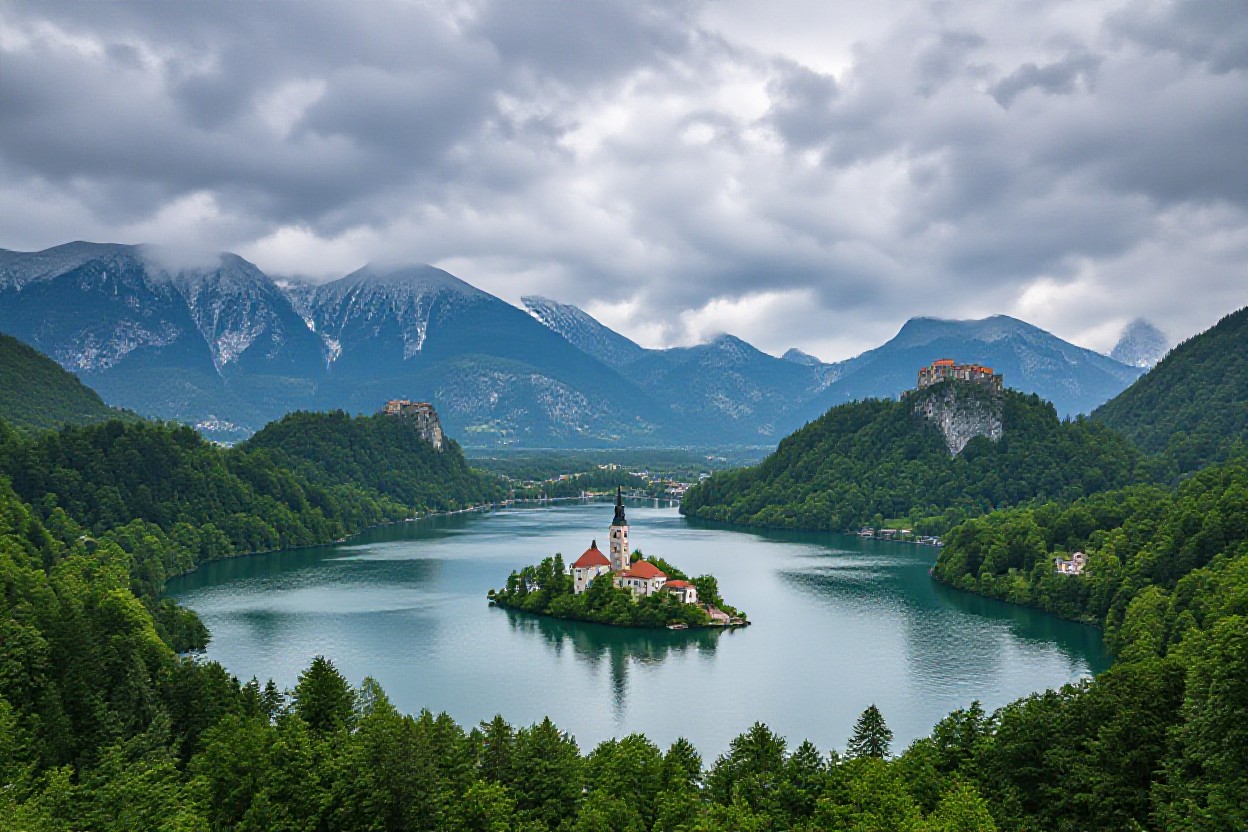
Your trip to Lake Bled centers on the island church reached by traditional pletna boats and the medieval Bled Castle perched about 130 meters above the water; you can ring the bell in the 17th-century Church of the Assumption and hike to panoramic viewpoints. Nearby Lake Bohinj and the Julian Alps offer quieter trails and alpine lakes, so you can escape crowds while seeing postcard-perfect scenery within a short drive or bus ride.
Eco-Tourism Opportunities
Triglav National Park (around 880 km²) and the Škocjan Caves UNESCO site anchor Slovenia’s eco-offerings; you can kayak the emerald Soča River, cycle rural routes, or stay on organic farmstays that serve homegrown produce. Operators run low-impact activities-guided birdwatching, sustainable rafting, and traditional cheese workshops-so your visit supports local communities while keeping footprints small.
To act on these options, choose eco-certified guesthouses in Bovec or Bohinj, book guided hikes with licensed alpine or karst guides, and favor rail or buses-Ljubljana links regularly to Bled, Bohinj and the coast-over rental cars; you can also join community programs like trail maintenance in Triglav or river clean-ups in the Soča Valley to deepen your impact and learn regional conservation practices.
Why hidden gem countries are the future of sustainable travel.
Summing up
As a reminder you should consider these overlooked nations for richer, quieter travel: Albania, Georgia, Oman, Guatemala, Slovenia, Laos, Namibia, Uzbekistan, Uruguay and Montenegro offer affordability, varied landscapes, culture and fewer crowds, letting you stretch your budget while deepening local connections; explore Mediterranean beaches, Silk Road cities, desert dunes, Mayan ruins and fairytale lakes on your terms. Why hidden gem countries are the future of sustainable travel.
FAQ
Q: What makes the ten countries on this list real hidden gems?
A: Each offers compelling reasons to visit beyond the usual tourist loop: Albania – pristine Mediterranean beaches and lower prices than neighboring coasts; Georgia – dramatic Caucasus mountains, ancient wine culture and cheap transport; Oman – vast deserts, pristine wadis and hospitable cities; Guatemala – vivid Mayan ruins and colourful colonial towns; Slovenia – fairytale lakes, castles and compact nature; Laos – jungle, river life and slow-travel charm; Namibia – towering orange dunes, wide-open safaris and stark landscapes; Uzbekistan – iconic Silk Road architecture and bazaars; Uruguay – relaxed beaches, boutique wineries and safe towns; Montenegro – a rugged Adriatic coast with far fewer visitors than Croatia. Together they deliver beauty, culture and value without the crowds common at mainstream destinations.
Q: How can I travel to these countries on a budget without sacrificing experience?
A: Book multi-stop or regional carriers and monitor sales for off-peak flights; use overnight trains or buses where feasible; choose locally run guesthouses, small hotels or homestays for lower rates and authentic contact with residents; eat at markets and family-run restaurants; travel in shoulder seasons for lower prices and milder weather; prioritize a few regions per trip rather than trying to see everything. Specific cost notes: Albania, Georgia, Laos, Guatemala and Uzbekistan are especially budget-friendly; Namibia and Oman are pricier for safaris and desert logistics but can be economical if you self-drive or join small-group departures; Slovenia, Uruguay and Montenegro can be modest if you avoid high season hotspots.
Q: Are these countries safe and suitable for solo travellers, families or first-time long-haul visitors?
A: Most are visitor-friendly with low to moderate risk profiles, but standard precautions apply: research local customs and laws, keep valuables secure, avoid poorly lit or isolated areas at night, carry digital and physical copies of key documents, and verify health requirements and recommended vaccinations for regions like Guatemala and Laos. For adventurous activities-mountain treks in Georgia, desert drives in Oman, self-guided safaris in Namibia-hire certified local guides or reputable tour operators. Families and solo travellers will find many well-developed services in capitals and popular towns, while more remote areas demand greater preparation and local guidance.
Q: When is the best time of year to visit each destination to balance weather, activities and fewer crowds?
A: Albania – late spring to early autumn (May-Sept) for beaches; Georgia – spring and autumn for hiking and wine festivals; Oman – cooler months (Oct-Apr) for desert and coastal activities; Guatemala – dry season (Nov-Apr) for archaeology and highland towns; Slovenia – late spring to early autumn for lakes and trails, winter for skiing; Laos – dry and cool months (Nov-Feb); Namibia – dry season (May-Oct) concentrates wildlife and clear skies for dunes; Uzbekistan – spring and autumn (Apr-Jun, Sep-Nov) avoid extreme heat; Uruguay – summer (Dec-Mar) for beaches, shoulder seasons for milder weather; Montenegro – late spring and early autumn to avoid peak crowds while enjoying warm sea temperatures.
Q: How do hidden gem countries help promote more sustainable and responsible travel?
A: These destinations often experience lighter tourism pressure, so directing visitors there spreads economic benefits to communities that traditionally see fewer tourism dollars, which helps fund conservation and local services. Travellers who visit lesser-known places tend to practice slower, more immersive travel-staying longer, using local guides, eating regional food and supporting small businesses. To maximize positive impact, choose locally owned accommodations, hire community guides, respect cultural norms and natural sites, minimize single-use plastics, and consider carbon offsetting for long-haul flights. Why hidden gem countries are the future of sustainable travel.